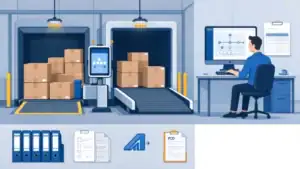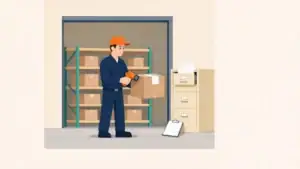

If you are a Amazon seller, you already know that returns don’t just eat into your product profits — they also come with painful shipping costs. FBA handles the delivery part nicely, but when a customer returns something, Amazon charges fees for processing, disposal, or removal. And if that product has to travel from an Amazon warehouse back to China, a single international return can cost 25–40. That’s way more than it cost to send it out in the first place.
Depending on your product category, return rates can be pretty brutal. Clothing sellers often see 20–30% returns, and electronics hover around 5–10%. That means reverse logistics could quietly eat up 30–50% of what you thought was your profit.
So yes — managing returns well isn’t just nice to have. It’s a survival skill.
1. Stop Returns Before They Happen: Focus on Listings and Quality
The cheapest return is the one you never have to process. This starts with your product page and the stuff you send in.
Here are a few easy wins:
-
Test small first – send a small batch to FBA or use Amazon Vine to catch issues before going all in.
-
Go local with your listing – don’t just use metric units (cm, g). Add inches and pounds too. Colors? Use Pantone codes or real-life photos.
-
Be loud about size and weight – if the item is bulky or heavy, put a warning early in the listing. Buyers appreciate it, and you’ll get fewer “it’s bigger than I thought” returns.
2. Three Ways to Handle FBA Returns — and What They Actually Cost
When a return happens anyway, you have three main options in Seller Central. Here’s how they compare:
| Option | How It Works | Best For | Estimated Cost Per Unit (USD) |
|---|---|---|---|
| Disposal | Amazon throws it away | Cheap items (under $10), broken stuff | 0.50–1.50 |
| Return to a US address | Amazon sends it to your US warehouse or partner | Items you can repackage or sell offline | 5–20+ |
| Return to China / an overseas refurb center | Bulk shipping via a reverse logistics partner | Mid-to-high value items (>$20) that can be fixed | 25–40(single)<br>∗∗4–8 (bulk)** |
The last option looks complicated, but if you do it in bulk, the per-unit cost drops like a rock. The secret is simple: stop returning one item at a time.
3. Build a Smart Reverse Logistics Setup: From “One by One” to “Batch Mode”
To really bring costs down, you need a system. Something like this works well for many mid-sized sellers:
-
Set up a US collection point – don’t use Amazon’s random return addresses. Instead, send all returns to one US warehouse you control. AMZ Shipper has receiving locations near major FBA hubs in California, Texas, and New Jersey.
-
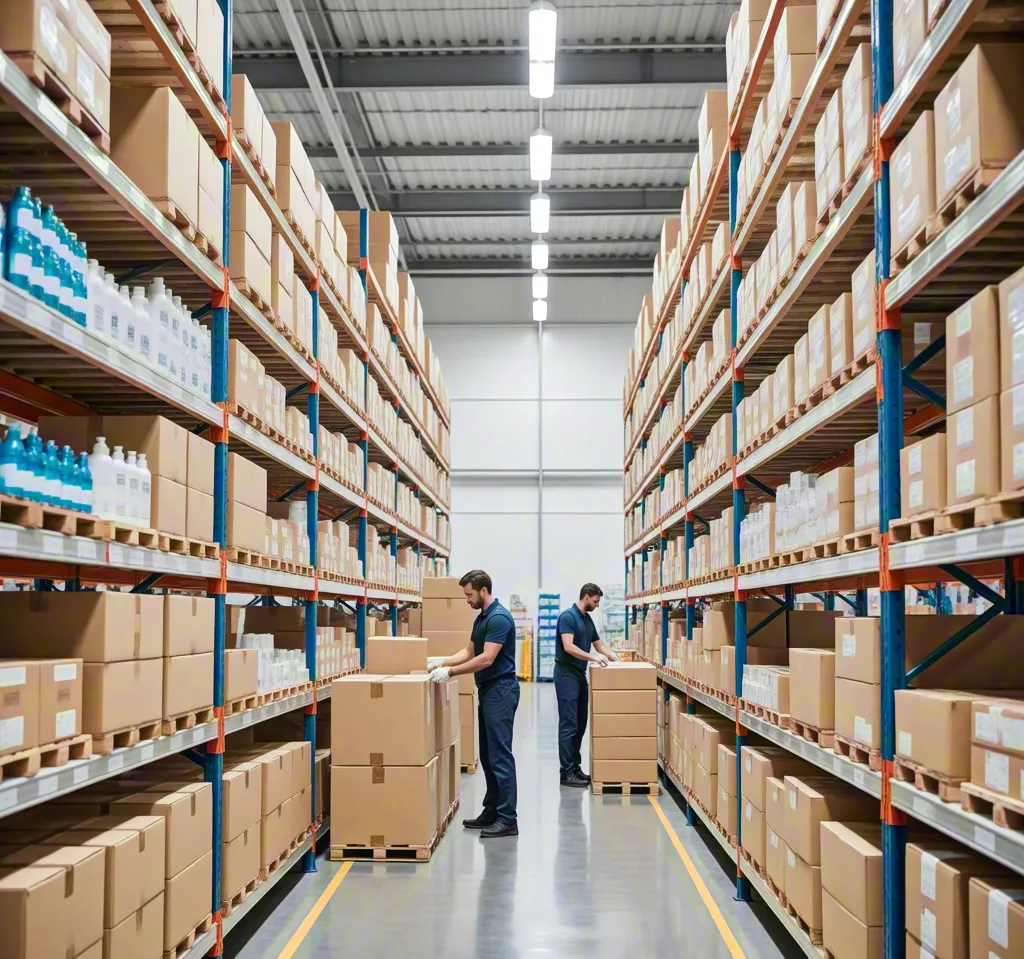
Let returns pile up, then sort them – once a week or every two weeks, have the warehouse team check each return and split it into three piles:
-
A (ready to sell again) – box still good, no signs of use → just relabel and send back to FBA or sell locally.
-
B (needs small fixes) – minor scratches, missing manual → send to a refurb center.
-
C (dead) – cracked screen, broken parts → recycle or dispose.
-
-
Ship in batches back to China – for those B items, use LCL (less than container load) sea freight or consolidated air from the US warehouse to a refurb center in Shenzhen, Guangzhou, or Yiwu. AMZ Shipper runs regular scheduled LCL shipments from its China warehouses (yes, multiple locations in China). This drops the average shipping cost from ~30peritemtounder5.
-
Refurbish at your China warehouse – once the items arrive, clean them up, fix small issues, repackage, then either send them back to Amazon (US or Canada) or move them to other channels like Temu, eBay, or your own Shopify store.
Here’s what the math looks like for one item:
| Cost Item | Direct single return to China | Bulk batch (AMZ Shipper) |
|---|---|---|
| US local shipping | 6–12 | 2–4 |
| International freight | 20–35 (express) | 1.50–3 (LCL) |
| Processing + refurb | 3–5 | 1–2 |
| Total per item | 29–52 | 4.50–9 |
4. How to Pick the Right Reverse Logistics Partner
Not every logistics company knows how to handle “return to China” properly. When you’re looking for a partner, ask these questions:
-
Do they have US receiving points near major FBA warehouses? The closer they are to CA, TX, NJ, or GA, the lower Amazon’s removal fee will be.
-
Do they sort and give you data? A good partner will send you a weekly report: SKU, reason for return, fixable or not. This helps you make better restocking decisions.
-
Can they handle China import and temporary clearance? If you plan to fix and re-export, you want someone who knows how to bring goods back temporarily without paying full import tax. AMZ Shipper moves thousands of containers a year and can handle small batches, not just full containers.
-
Do they offer refurb services in China? Relabeling, minor repairs, repacking — if they do it in the same warehouse, you save time and money.
Ask any potential partner for a reverse logistics cost calculator. Give them your return volume from the last three months and see what rate they offer for different batch sizes.
5. Case Study: How One Clothing Seller Cut Return Costs by 52%
Let’s look at a real example. A Shenzhen-based seller on Amazon US made about 8,000 yoga pants a month. Return rate was 18% — about 1,440 items a month.
Before changing their process:
For unsellable returns, they paid Amazon 1eachtodispose.Forsellableones,theyaskedAmazontosendthemtoafriend′sgarageinCalifornia.Everythreemonths,they′dshipeverythingbacktoChinausingacourier.Thetotalcostperitem:∗∗38**.
Starting in September 2024, they switched to AMZ Shipper’s reverse logistics plan:
-
Step 1: All returns went to AMZ Shipper’s LA warehouse. Sorted every week.
-
Step 2: Sellable items (~35%) went straight back to FBA after relabeling. Fixable items (~50%) piled up for two months, then went by LCL sea freight to the seller’s Shenzhen warehouse.
-
Step 3: At the Shenzhen warehouse, workers refolded, removed loose threads, and put items in new poly bags. Then they relisted them on Amazon (as renewed) and on Temu.
Results after three months:
-
Monthly reverse logistics cost dropped from 3,200to1,540 — a 52% drop.
-
Refurbished items brought in $900 of extra monthly revenue (money that used to be thrown away).
-
Return processing time went from 90 days down to 45 days.

6. FAQ
Q1: Can I have FBA returns sent to a third-party US warehouse and then shipped to another country?
Yes. Just change your return settings in Seller Central to a US address you control. That warehouse can then ship the goods out of the US. One tip: If you plan to bring them back into China, find a logistics partner who knows how to handle “temporary import for repair” customs clearance.
Q2: Do I have to pay tax when returning goods from the US to China?
It depends. If you declare them as normal imports, yes — you’ll pay VAT (around 13%) plus duties. But if you can prove the goods were originally made in China and are coming back for repair, you can apply for “temporary import / repair” status. That usually removes most taxes, though you may need to provide a repair contract and a deposit. A good reverse logistics company will help you with this.
Q3: My product is marked “unsellable” — damaged packaging, customer opened it, etc. Is it still worth returning?
Depends on your product price. For items under 10,justdispose.Butifit′sover20 and the damage is mostly to the box or just minor wear, bulk refurb can still make sense. Some sellers even take apart broken electronics to sell the parts separately.
Q4: Does AMZ Shipper have a minimum volume for reverse logistics service? I don’t return that many items.
No strict minimum. You can store your returns in an AMZ Shipper US warehouse until you have enough weight (say 50kg) to ship. Small sellers can also share a container batch with others to lower the cost per item further. Just contact AMZ Shipper, tell them your average monthly return volume, and ask for a custom batch plan.
ABout AMZ Shipper
AMZ Shipper has several years of experience for international logistics Freight Forwarding service. Our service is for importer and exporter, foreign freight forwarders, local and abroad business. Export of 1500 of 40HQ per year for FBA Amazon shipping, 15-30tons of air shipments per month.
Member of WCA. Our company is a professional Amazon freight forwarder that specializes in providing comprehensive and efficient services to customers.