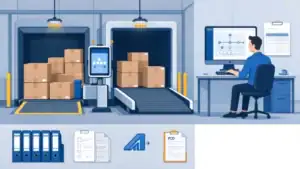

In today’s hyper-competitive business world, logistics and transportation aren’t just“behind-the-scenes” tasks—it’s a key way to cut costs, work smarter, and stay ahead of the game. For many businesses, transportation costs eat up 20% to 40% of total product costs, and a lot of that money is wasted on inefficient routes, half-empty trucks, and disjointed supply chain processes. The good news? By pairing two simple but powerful strategies—intelligent routing and cargo consolidation—you can slash transportation costs without skimping on service quality or delivery speed. In this blog, we’ll break down how these two approaches work together, easy steps to get started, real-world wins, and common mistakes to avoid—so you can turn your logistics from a money drain into a profit booster.
First, let’s keep it simple: what exactly are intelligent routing and cargo consolidation, and why do they work so well together to cut costs? Intelligent routing uses cool tech—think artificial intelligence (AI), machine learning (ML), real-time data, and GPS—to map out the most efficient routes possible. Unlike old-school static routing (where you stick to a fixed schedule no matter what), intelligent routing rolls with the punches: it adapts to traffic jams, bad weather, fuel price spikes, busy ports, and even tight delivery windows. And it doesn’t just focus on one thing—it balances shorter distances, less fuel use, happier drivers, and on-time deliveries all at once.
Cargo consolidation, on the other hand, is exactly what it sounds like: combining multiple small shipments (from you or even other businesses) into one bigger shipment. This fixes the inefficiency of “less-than-truckload (LTL)” or “less-than-container-load (LCL)” shipments—those small loads that end up costing more per item because of wasted space, extra handling, and too many stops. By consolidating, you get better rates from carriers, send fewer shipments, and save on fuel, labor, and packaging.
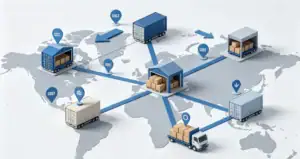
When you use these two strategies together, magic happens—their combined effect saves you way more than either one alone. Intelligent routing makes sure your consolidated shipments take the fastest, cheapest path, while cargo consolidation fills up every inch of that route—no more empty miles, no more idle trucks, and fewer vehicles needed overall. This combo cuts direct costs like fuel and carrier fees, plus those hidden indirect costs like warehousing, inventory storage, and paperwork headaches.
The Hidden Costs of Inefficient Logistics (and How to Fix Them)
Before we dive into how to implement these strategies, let’s talk about the money you’re probably losing without even realizing it—costs that add up fast over time. Here are the most common pain points (and how to fix them):
-
Empty Miles: Trucks driving with partial or no cargo (either on the way to pick up shipments or after dropping them off) are just burning fuel and paying drivers for nothing. Industry data says empty miles make up 15% to 25% of all truck miles driven—That’s billions of dollars wasted globally every year!
-
Underutilized Cargo Space: LTL and LCL shipments often leave tons of space unused, which means you’re paying more per item. A typical truck or container running at 60% capacity? That’s 40% of the space (and money) going to waste.
-
Static Routing: Sticking to a fixed route even when there’s traffic, road closures, or bad weather means longer drives, more fuel used, and missed delivery windows—all of which cost you money.
-
Redundant Handling: Multiple small shipments mean more loading, unloading, and sorting—more work for your team, higher labor costs, and a bigger chance of damaged or lost goods. For example, one consolidated shipment needs just one load/unload, versus five for five separate LTL shipments.

The table below shows just how much you can save with optimized logistics (intelligent routing + cargo consolidation) versus traditional methods—we’ll use a mid-sized e-commerce business that ships 500 small packages per week as an example:
|
Cost Category
|
Traditional Logistics (Static Routing + Fragmented Shipments)
|
Optimized Logistics (Intelligent Routing + Cargo Consolidation)
|
Cost Savings
|
Savings Percentage
|
|
Fuel Costs (Weekly)
|
$3,500
|
$2,100
|
$1,400
|
40%
|
|
Carrier Fees (Weekly)
|
$8,000
|
$4,800
|
$3,200
|
40%
|
|
Labor Costs (Loading/Unloading, Weekly)
|
$2,000
|
$1,100
|
$900
|
45%
|
|
Inventory Holding Costs (Monthly)
|
$5,000
|
$3,500
|
$1,500
|
30%
|
|
Damage/Loss Costs (Monthly)
|
$1,200
|
$480
|
$720
|
60%
|
|
Total Monthly Costs
|
$62,800
|
$38,280
|
$24,520
|
39%
|
As you can see from the table, this combo strategy saves nearly 40% on monthly costs—that’s a huge boost to your bottom line! The savings aren’t just from obvious costs like fuel and carrier fees; they also come from those easy-to-miss indirect costs, like inventory storage and damaged goods, which often get overlooked in traditional logistics planning.
How to Implement Intelligent Routing: Key Steps and Technologies
Implementing intelligent routing isn’t rocket science—it just means ditching manual, rigid planning for data-driven, flexible decisions. Here’s how to get started, step by step:
1. Invest in the Right Technology
The backbone of intelligent routing is user-friendly software that combines real-time data and AI-powered algorithms. Look for tools that offer these key features:
-
Real-Time Data Integration: Connects to traffic apps, weather services, fuel price trackers, carrier databases, and GPS devices to give you up-to-the-minute info. For example, dynamic routing APIs can refresh your optimal route every 5-10 minutes based on what’s happening on the road right now.
-
AI/ML-Powered Route Optimization: Choose software that uses machine learning to analyze past data (like old routes, delivery times, and traffic patterns) to predict the best routes. These algorithms handle all the complicated stuff—multiple delivery stops, tight time windows, truck capacity, and driver schedules—that you can’t easily manage manually.
-
Visibility and Tracking: Make sure the software lets you see your shipments every step of the way, so you can spot delays early and adjust quickly. This also makes it easier to communicate with customers, cutting down on annoying follow-up calls and complaints. Some popular intelligent routing tools include Route4Me, Descartes Route Planner, and Blue Yonder. If you’re a larger business, a custom solution that works with your existing ERP or WMS systems might be better—especially if you need to share data with supply chain partners via APIs.

2. Analyze Historical and Real-Time Data
Before you start optimizing routes, take a look at your past data to find inefficiencies. Look for patterns like: routes that are always delayed, trucks that are never full, busy delivery times, and areas where trucks often return empty. For example, a logistics company might find that 30% of its trucks come back empty after delivering to a certain region—that’s a perfect chance to consolidate return loads or find backhaul opportunities.
Real-time data is just as important. By keeping an eye on traffic, weather, and carrier availability, you can change routes on the fly. If a major highway shuts down due to an accident, the software can immediately reroute your trucks to avoid delays—saving fuel and keeping deliveries on track.
3. Optimize for Multiple Objectives
Intelligent routing isn’t just about taking the shortest path—it’s about balancing multiple goals to get the best results. For example, a slightly longer route might be cheaper if it avoids high fuel costs or traffic jams. You also want to optimize for driver productivity (less idle time) and on-time deliveries (which means fewer penalties and happier customers).
Mastering Cargo Consolidation: Strategies for Maximum Efficiency
Cargo consolidation works best when it’s strategic—not just throwing random shipments together, but grouping them by destination, timeline, and cargo type. Here are some simple, proven strategies to make it work for you:
1. Centralize Your Shipment Planning
To consolidate effectively, you need a clear view of all your incoming and outgoing shipments. That means connecting your order management system (OMS), warehouse management system (WMS), and transportation management system (TMS) so you can track everything in one place. With centralized planning, you’ll spot opportunities to combine small shipments into larger ones—like turning three LTL shipments to the same region into one full-truckload (FTL) shipment.
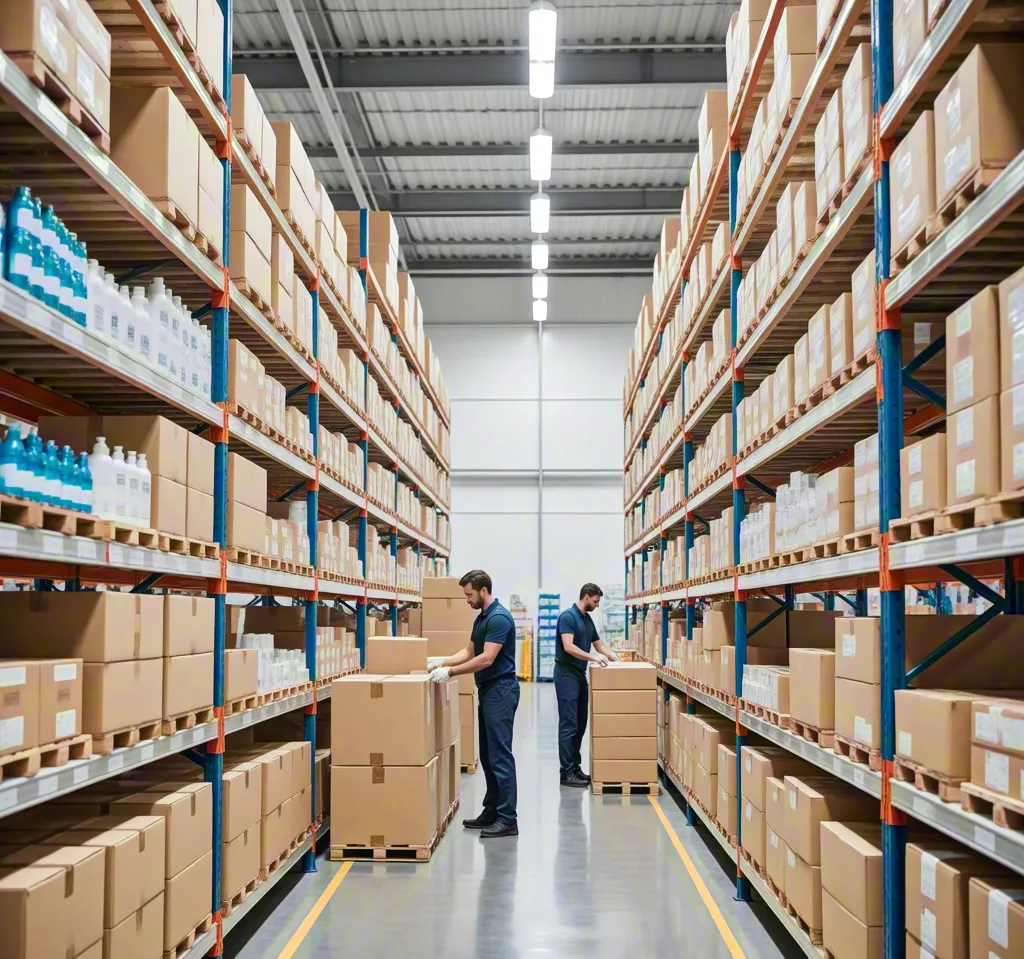
2. Use Consolidation Warehouses
Consolidation warehouses (also called break-bulk facilities) are dedicated spaces where you collect small shipments, sort them, and combine them into larger loads before sending them to their final destinations. Think of them as a hub: you hold small shipments temporarily until you have enough volume to make a full load. This is perfect for e-commerce businesses and small-to-medium enterprises (SMEs) that send frequent small shipments to the same areas.
For example, a fashion retailer with multiple stores in a region can send small inventory shipments to a consolidation warehouse, where they’re combined into one FTL load for delivery to each store. This cuts down on the number of shipments, lowers carrier fees, and reduces handling costs.
3. Collaborate with Partners
Cargo consolidation doesn’t have to be limited to your own shipments. Teaming up with other businesses that have similar shipping needs (same destination, compatible cargo) can help you combine loads and save money. For example, two SMEs shipping to the same city can pool their cargo to make a full load—cutting costs for both of you. Third-party logistics (3PL) providers often help with this, matching shippers who have complementary needs.
4. Align Shipment Timelines
To get the most out of consolidation, sync up your shipment timelines. Instead of shipping small orders as soon as they come in, hold them for a short time (24-48 hours) to build up enough volume for a consolidated load. You’ll need to forecast demand carefully to make sure holding shipments doesn’t cause delays. AI-powered demand forecasting tools can help you predict order volumes, so you can balance consolidation and delivery speed.
ABout AMZ Shipper
AMZ Shipper has several years of experience for international logistics Freight Forwarding service. Our service is for importer and exporter, foreign freight forwarders, local and abroad business. Export of 1500 of 40HQ per year for FBA Amazon shipping, 15-30tons of air shipments per month.
Member of WCA. Our company is a professional Amazon freight forwarder that specializes in providing comprehensive and efficient services to customers.