
In the fast-growing world of cross-border e-commerce, Amazon FBA (Fulfillment by Amazon) has become a total game-changer for Chinese sellers looking to go global. The best part? You get to focus on what you do best—creating great products and marketing them—while Amazon takes care of the tricky stuff like warehousing, packaging, and shipping to customers. But there’s one big first step that trips up a lot of sellers: FBA head haul logistics, which is getting your goods from China to Amazon’s overseas fulfillment centers. This guide breaks down everything you need to know about FBA head haul in simple, easy-to-follow steps—covering the basics, transport options, how to get it done, key tips, and common mistakes to avoid—so you can navigate cross-border logistics without the stress.
What Even Is FBA Head Haul? Let’s Keep It Simple
First off, let’s make sure we’re on the same page about what FBA head haul actually is. Put simply, it’s the entire process of moving your products from your location in China (whether that’s a factory or your own warehouse) to Amazon’s designated fulfillment centers (FCs) abroad. Unlike Amazon’s in-house fulfillment services— which kick in once your goods reach their warehouses—FBA head haul is your responsibility. It includes picking up goods domestically, shipping them internationally, getting through customs, and finally dropping them off at Amazon’s doors. Getting this step right is super important—it directly affects how quickly your inventory turns over, whether you can keep selling without gaps, and how happy your customers are. Think of it as the foundation of your cross-border supply chain!
Two Must-Do Preparations Before You Start
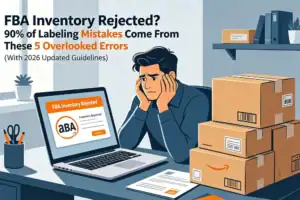
Before you dive into FBA headhaul, there are two key things you need to do first: get familiar with Amazon’s rules (they’re strict but manageable!) and pick a logistics partner you can trust. Amazon has pretty specific standards for goods entering its fulfillment centers—from how you package items to the labels you use, and even which items you can’t send. If you cut corners here, your goods might get rejected, delayed, or even penalized—and no one wants that extra hassle or cost. For example, every product needs a unique FNSKU (Fulfillment Network Stock Keeping Unit)—that’s Amazon’s special code to track your inventory, and it’s different from your product’s UPC/EAN code. Plus, each shipping box needs an Amazon-provided label with your FBA Shipment ID and other key details. As for logistics partners? A good FBA head haul freight forwarder will handle everything from picking up your goods in China to dropping them off at Amazon—saving you time and helping you avoid common pitfalls.

4 Main FBA Head Haul Transport Options (Pick What Works for You)
Choosing how to ship your goods is one of the biggest decisions you’ll make for FBA head haul—it affects how fast your goods arrive, how much you spend, and how you manage your inventory. Luckily, Chinese sellers have four main options, each with its own pros, cons, and best uses. The table below breaks them down clearly so you can pick what works for you:
|
Transportation Method
|
Transit Time (from China to Amazon FCs)
|
Cost Level
|
Key Characteristics
|
Applicable Scenarios
|
|
International Express (DHL, FedEx, UPS)
|
3-7 days
|
High
|
Door-to-door service, super easy to use, lightning-fast, includes customs clearance and insurance, gentle handling—but there are more rules for what you can ship (like battery-powered items).
|
When you need to restock quickly, have small batches of goods, or sell high-value items (like electronics or fashion) that can’t wait.
|
|
Air Freight (Direct/Transit)
|
5-15 days (direct: 5-10 days; transit: 7-15 days)
|
Medium
|
Fast and safe, priced by weight and size, but you’ll need to coordinate customs clearance and the final delivery to Amazon’s warehouse.
|
Medium-sized batches, products that need to arrive reasonably quickly (like electronic parts), or restocking for busy seasons.
|
|
Sea Freight (FCL/LCL)
|
30-45 days
|
Low
|
Super cheap, can carry lots of goods, fixed sailing times—but it’s slow, and weather or port backups can cause delays.
|
Large batches of goods, bulky/heavy items (like furniture or building supplies), or regular restocks where speed isn’t a big issue.
|
|
Railway Freight (e.g., China-Europe Railway Express)
|
Around 30 days
|
Medium-Low
|
Steady delivery times (faster than sea, cheaper than air), not as affected by weather, and reliable departure/arrival times.
|
Goods going to Europe, sellers who want a balance of cost and speed, or non-urgent large batches.
|
Using the table above, you can pick the best transport method for your business. For example, if you’re a new seller with a small inventory and need to get your products to market fast, international express or air freight is probably your best bet. If you’re more established with steady sales and big orders, sea freight will save you a ton of money. And if you’re shipping to Europe, railway freight is a great middle ground between cost and speed.
6 Simple Stages to Get Your Goods to Amazon FCs
Once you’ve picked your transport method, it’s time to follow a simple step-by-step process to get your goods to Amazon’s warehouses smoothly. We’ve broken it down into six easy stages—no confusion, no stress:
Stage 1: Create an FBA Shipment Plan on Amazon Seller Central
This is where it all starts! Log in to your Amazon Seller Central account, go to the “Inventory” tab, and click “Send to Amazon” to make a new shipment plan. You’ll just need to confirm your product ASINs, how many you’re sending, and which country they’re going to. Amazon’s system will automatically assign one or more fulfillment center addresses (you can’t choose which one, sorry!), based on how you want to distribute your inventory. After you finish the plan, you’ll get shipment labels—both for your boxes and your individual products—so keep those handy for later.
Stage 2: Prepare and Package Your Goods the Amazon Way
This step is make-or-break—if you don’t do it right, Amazon might reject your goods. First, double-check your product quantity to make sure it matches what you put in the shipment plan—any mismatch could lead to inventory headaches or refunds. Then, package and label everything exactly how Amazon wants it. Use strong cartons and enough padding, and make sure no single box weighs more than 50 pounds (about 22.7 kilograms). For labels, use a laser printer so they’re clear and scannable: product labels (FNSKU) should be 1″×2 5/8″ (25×67 mm), and box labels should be 3-1/3″×4″ (85×102 mm). Don’t stick labels on damaged spots, and make sure to remove any old shipping labels from your boxes. Pro tip: Many freight forwarders offer labeling and packaging as an extra service—letting them handle it can save you time and avoid mistakes!

Stage 3: Arrange Domestic Pickup and Consolidation
Once your goods are packaged and labeled, it’s time to get them to your logistics partner. Your freight forwarder will send a truck to your factory or warehouse to pick up the goods, then take them to a domestic consolidation center (usually near big ports or airports like Shenzhen, Shanghai, or Guangzhou). At the center, they might combine your goods with other sellers’ shipments (for LCL sea freight or air freight) to keep costs low. Just make sure to confirm the pickup time and quantity with your forwarder—no one wants delays!
Stage 4: Get Through Export Customs in China
Export customs clearance is a must for cross-border shipping, and even small mistakes can hold up your goods or get them confiscated. Your freight forwarder will handle this for you, but you’ll need to give them accurate, complete documents: commercial invoices, packing lists, customs declarations, and product details. The most important thing? Make sure the info on your documents (like product name, quantity, value, and HS code) matches your actual goods. If you’re selling special items (like electronics or cosmetics), you might need extra certification. A good forwarder with lots of customs experience will help you avoid common mistakes and get through this step smoothly.
Stage 5: International Shipping and Destination Country Customs Clearance
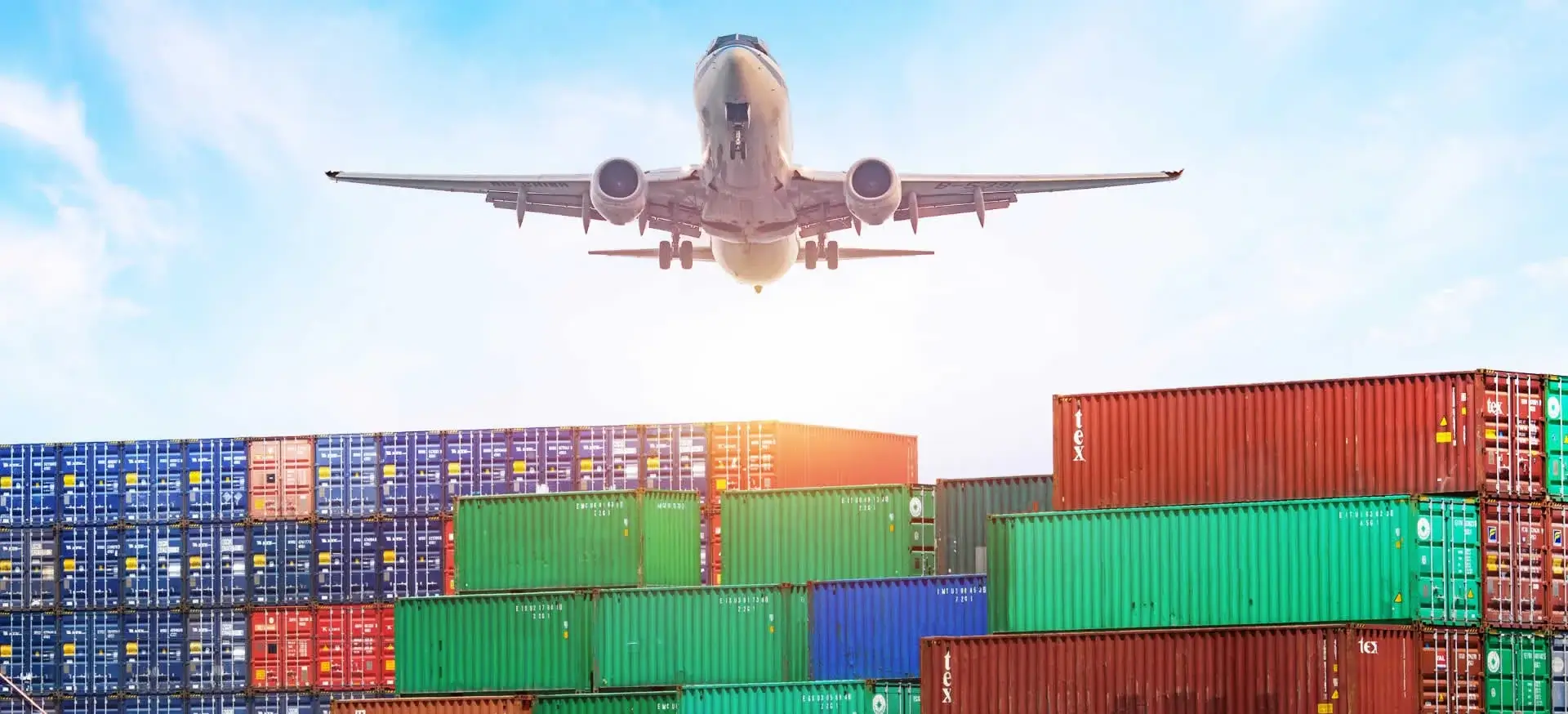
After clearing Chinese customs, your goods will head to the destination country via your chosen transport method (sea, air, express, or railway). You can track your shipment in real time with the tracking number your forwarder gives you—perfect for planning your inventory. When your goods arrive at the destination country’s port or airport, they’ll need to go through import customs clearance. This is another step that can cause delays if not done right, but your forwarder will handle the paperwork (like bills of lading/air waybills, invoices, and packing lists) and declare your goods to local customs. For countries like the US, you might need a customs bond (Bond) to comply with local rules. A forwarder who knows the local customs laws, taxes, and requirements will help you avoid delays and extra fees.
Stage 6: Last-Mile Delivery to Amazon and Warehouse Check-In
Once your goods clear import customs, they need to get from the port/airport to the Amazon fulfillment center you were assigned—this is called last-mile delivery. Your forwarder will arrange a truck with an Amazon appointment number (you can’t deliver without one!) to drop off the goods. When the truck arrives at Amazon’s warehouse, staff will sign for the goods, unpack them, and scan the FNSKU labels on your products. Once they’re scanned, your inventory in Seller Central will change to “Available for Sale.” Just note: The check-in and shelving process can take a few days to a few weeks, especially during busy seasons like Prime Day or Black Friday, when warehouses are swamped.
ABout AMZ Shipper
AMZ Shipper has several years of experience for international logistics Freight Forwarding service. Our service is for importer and exporter, foreign freight forwarders, local and abroad business. Export of 1500 of 40HQ per year for FBA Amazon shipping, 15-30tons of air shipments per month.
Member of WCA. Our company is a professional Amazon freight forwarder that specializes in providing comprehensive and efficient services to customers.