
For Amazon sellers who are just entering the cross-border e-commerce space, two roles are often confused when shipping goods from China to Amazon FBA warehouses: freight forwarders and customs brokers. Many new sellers even think they are the same thing.
However, understanding the difference between these two roles not only determines whether your goods will be successfully delivered, but also directly impacts your logistics costs and customs clearance risks. This article will clarify the definitions and responsibilities of these two key roles, and help you determine—when you need to hire them separately, and when choosing a partner that can integrate both services is the optimal solution.
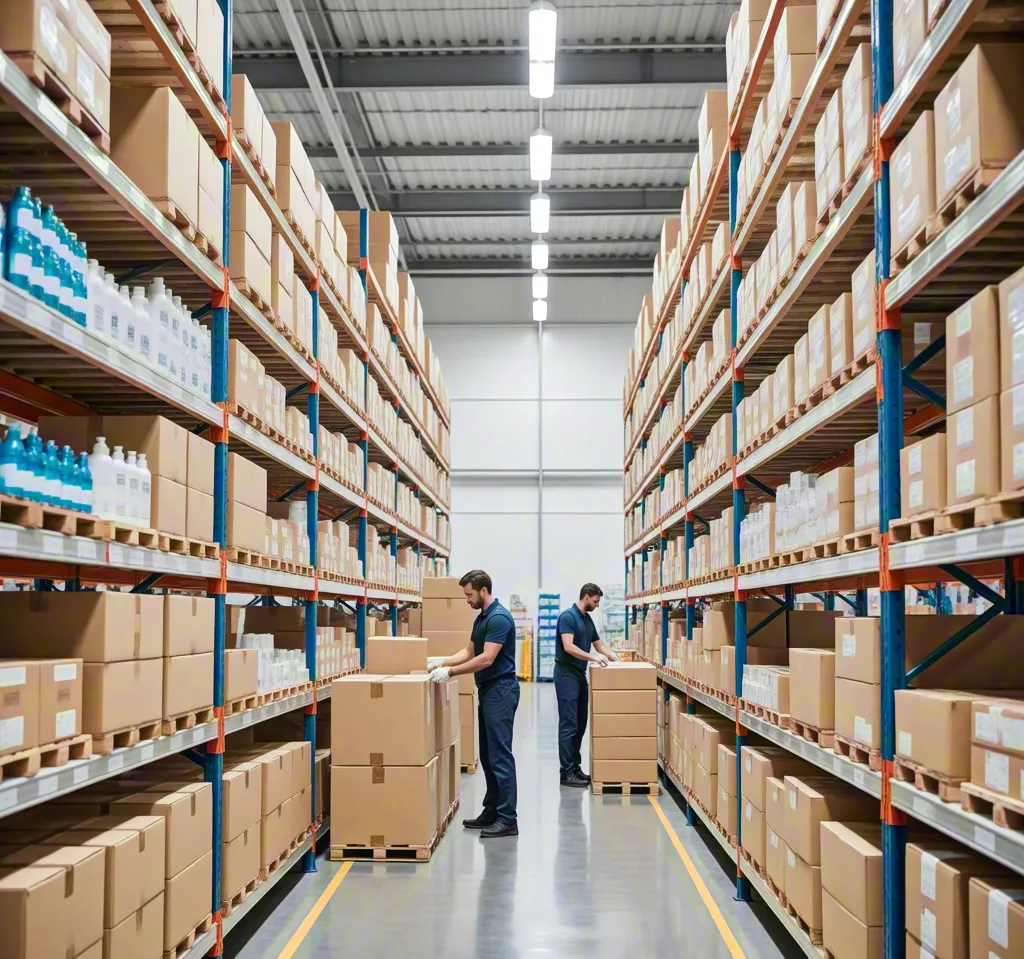
1. What Is a Freight Forwarder?
A freight forwarder is the organizer and manager of the entire cargo transportation process. If international logistics were a relay race, the freight forwarder would be the “chief coordinator” overseeing the entire event.
The core responsibilities of a freight forwarder include:
-
Booking Space: Reserving ocean containers or air cargo space based on your shipment specifications.
-
Domestic Transportation: Arranging trucking to move goods from the factory or warehouse to the port of origin.
-
Warehousing & Consolidation: Providing temporary storage and less-than-container-load (LCL) consolidation services at warehouses near the port of origin.
-
Documentation: Assisting with or reviewing commercial invoices, packing lists, bills of lading, and other shipping documents.
-
End-to-End Tracking: Monitoring shipment status from origin port to destination port and providing regular updates.
In short, a freight forwarder solves the problem of “how to get goods from point A to point B,” with the core goals of optimizing logistics routes, consolidating transportation resources, and managing transit times.
2. What Is a Customs Broker?
A customs broker is a specialized professional or firm that handles customs compliance matters. If the freight forwarder is the “chief coordinator” of transportation, the customs broker is the “gatekeeper” helping your goods cross borders legally.
The core responsibilities of a customs broker include:
-
Tariff Classification: Determining the correct HS code for your products based on customs tariff schedules—this directly affects duty rates and regulatory requirements.
-
Filing Customs Declarations: Submitting import/export declarations on your behalf and ensuring all information is accurate.
-
Duty Calculation & Payment: Calculating applicable duties, taxes, and fees, and assisting with payment.
-
Handling Customs Examinations: When goods are selected for inspection, the customs broker coordinates with customs officials, provides explanations, and submits additional documentation as needed.
-
Compliance Consulting: Advising on import restrictions, certification requirements (such as FCC, FDA), and other regulatory matters for specific products.
The core value of a customs broker lies in ensuring your goods legally, compliantly, and efficiently cross borders, avoiding detention, fines, or even account suspension due to declaration errors.

3. Key Differences Between Freight Forwarders and Customs Brokers
To better understand the division of responsibilities, the table below compares the two across multiple dimensions:
| Dimension | Freight Forwarder | Customs Broker |
|---|---|---|
| Core Responsibility | Organizing transportation and managing logistics | Handling customs declarations and compliance |
| Service Scope | Covers the full chain from factory to destination port (or door) | Focuses on the customs clearance process at borders |
| Legal Focus | Transportation contracts, cargo safety, transit time | Customs regulations, tariff classification, compliance |
| Key Resources | Carrier relationships (ocean/air), warehouses, trucking fleets | Customs policy expertise, clearance systems, agency networks |
| Outcome | Goods arrive on time and in good condition | Goods are legally cleared through customs |
4. Do You Need to Hire Both a Freight Forwarder and a Customs Broker?
The answer depends on your business model, the nature of your goods, and the type of logistics service provider you choose.
Scenarios Where Hiring Separately Makes Sense
In the following situations, you may need to engage independent freight forwarders and customs brokers:
-
Complex or High-Value Goods: Items such as dangerous goods, cold-chain products, or artworks may require specialized handling from separate experts.
-
Unpredictable Customs Policies in Destination Countries: Certain countries (e.g., Brazil, Argentina) have notoriously difficult customs processes, making it safer to hire a local specialized customs broker.
-
You Have a Strong In-House Logistics Team: Large enterprises may handle strategic coordination internally and separate transportation and customs brokerage for granular cost control.
Scenarios for Choosing an Integrated Freight Forwarder – The Optimal Choice for Most Amazon Sellers
For the vast majority of small to medium-sized Amazon sellers, hiring separate providers means managing two different vendors—leading to higher communication costs, unclear accountability, and the risk of finger-pointing when issues arise.
A more efficient approach is to choose a freight forwarder with in-house customs brokerage capabilities or deeply integrated customs services, such as AMZ Shipper. This type of provider offers several key advantages:
-
Single Point of Accountability: Whether issues arise in transportation or customs clearance, you deal with only one company.
-
Seamless Coordination: Once goods arrive at port, the freight forwarder and customs broker work internally without waiting for external handoffs, improving clearance efficiency.
-
Cost Control: Integrated services typically offer better bundled pricing, avoiding the extra costs associated with separate billing.
-
End-to-End Visibility: You can track the entire journey—from warehouses in China to Amazon fulfillment centers—through a single system or customer service contact.

5. How to Determine Which Model Is Right for You
Before deciding whether to hire separate providers or choose an integrated service, consider evaluating your situation against the following checklist:
-
Type of Goods
-
General consumer goods, electronics accessories
-
Regulated products (food, cosmetics, battery-powered items)
-
High-value, fragile, or special-handling goods
-
-
Incoterms (Trade Terms)
-
EXW (Ex Works): You are responsible for the entire logistics chain from factory to destination.
-
FOB (Free on Board): The freight forwarder begins service at the port of origin.
-
CIF/DDP (Cost, Insurance, Freight / Delivered Duty Paid): The freight forwarder assumes greater responsibility.
-
-
Complexity of Customs Clearance in Destination Country
-
United States, major European countries (relatively transparent customs processes)
-
Countries with complex or frequently changing customs policies
-
-
Your Team’s Experience and Bandwidth
-
Dedicated logistics personnel familiar with international shipping and customs
-
Limited team bandwidth, preferring to outsource logistics
-
| Your Business Profile | Recommended Model | Reason |
|---|---|---|
| New seller running first test shipments, prioritizing ease | Integrated freight forwarder | Lower coordination burden; reduces risk of clearance errors due to inexperience |
| Established seller with steady monthly container volumes | Separate providers with granular management | Larger scale allows cost optimization through specialized sourcing |
| Selling regulated products (e.g., lithium batteries, liquids) | Integrated freight forwarder | Requires close coordination between transportation and customs to ensure compliant declarations |
| End-to-end transit time is critical | Integrated freight forwarder | Unified coordination minimizes delays caused by external handoffs |
Understanding the difference between freight forwarders and customs brokers is essential for Amazon sellers transitioning from beginners to experienced operators. While the two roles serve distinct functions, separating transportation from customs clearance often leads to efficiency losses and increased risk.
For most Amazon sellers, choosing a logistics partner that offers integrated services—one with both transportation capabilities and customs clearance expertise—is the most effective way to balance efficiency, cost, and reliability. Such a partner allows you to focus on product selection and operations, rather than navigating the complexities of cross-border logistics coordination.

ABout AMZ Shipper
AMZ Shipper has several years of experience for international logistics Freight Forwarding service. Our service is for importer and exporter, foreign freight forwarder, local and abroad business. Export of 1500 of 40HQ per year for FBA Amazon shipping, 15-30tons of air shipments per month.
Member of WCA. Our company is a professional Amazon freight forwarder that specializes in providing comprehensive and efficient services to customers.