As an Amazon FBA seller, your choice of shipping method can make or break your profit margins, inventory turnover, and even your product rankings. With two dominant options—air freight and ocean freight—navigating the pros, cons, and ideal use cases is critical to scaling your business efficiently. While ocean freight is often hailed as the “cost-saving” choice and air freight as the “speed-focused” alternative, the decision is rarely black and white. Factors like product type, shipment size, seasonality, and cash flow all play a role in determining which method aligns with your FBA goals. In this blog, we’ll break down everything you need to know about air freight vs. ocean freight for Amazon FBA, including 2026 pricing benchmarks, real-world seller scenarios, and a clear decision framework to help you choose the right option every time.
Understanding the Basics: Air Freight vs. Ocean Freight for FBA
Before diving into the pros and cons, let’s clarify what each shipping method entails for Amazon FBA sellers. Both options involve moving goods from your manufacturing location (often China, Vietnam, or other global hubs) to Amazon’s fulfillment centers, but they differ drastically in transit mode, speed, and cost structure.
Air freight for FBA typically refers to “air freight forwarding” (also known as air cargo), where your goods are transported via commercial or dedicated freight aircraft. Most FBA air freight services include door-to-door delivery, meaning the logistics provider handles pickup from your supplier, export clearance, international air transit, import customs clearance, and final delivery to Amazon’s warehouses. Common air freight options for FBA include standard air freight (10–15 days to major markets) and air express (3–7 days via DHL, UPS, or FedEx) for urgent needs.
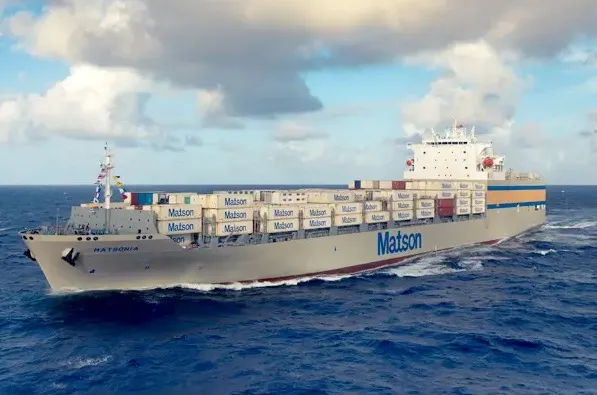
Ocean freight for FBA, on the other hand, involves shipping goods via cargo ships in containers. It’s available in two main forms: Full Container Load (FCL), where you book an entire shipping container (ideal for large shipments), and Less Than Container Load (LCL), where your goods are consolidated with other sellers’ shipments (perfect for smaller batches). Ocean freight also includes door-to-door service, with transit times ranging from 15–25 days for fast快船 (like Matson or ZIM) to 30–45 days for standard slow ocean freight to destinations.
Air Freight for Amazon FBA: Pros, Cons, and Key Considerations
Pros of Air Freight for FBA
The biggest advantage of air freight is its speed—and for Amazon sellers, speed often translates to a competitive advantage. Here’s why air freight might be the right choice for your FBA shipments:
-
Unbeatable Transit Speed: Air freight is the fastest cross-border shipping method available, with standard air freight taking 10–15 days to reach major Amazon FBA warehouses in the US, UK, or EU, and air express delivering in 3–7 days. This is a game-changer for time-sensitive scenarios, such as avoiding stockouts, launching new products, or capitalizing on seasonal peaks like Black Friday or Prime Day. For example, if your current FBA inventory is running low and you risk losing your Buy Box or ranking, air freight can get your goods restocked in days, not weeks.
-
Lower Inventory Holding Costs: Since air freight is fast, you don’t need to stockpile large quantities of inventory in Amazon’s warehouses. This reduces Amazon’s storage fees, which can eat into profits if you’re holding slow-moving stock. It also improves cash flow, as you’re not tying up capital in excess inventory that sits idle for months.
-
Higher Security and Lower Risk of Damage/Loss: Airports have strict security protocols, 24-hour surveillance, and professional warehousing standards that far exceed those of ports. This minimizes the risk of theft, damage, or loss during transit. Additionally, air freight has more relaxed packaging requirements (no need to protect against long-distance turbulence or seawater erosion), further reducing the chance of product damage.
-
Flexibility for Small Shipments: Air freight is ideal for small to medium-sized shipments (typically under 500kg or 2–3 CBM). Unlike ocean freight, which often requires minimum shipment sizes to be cost-effective, air freight works well for small batches—perfect for new product launches, market testing, or urgent restocks of high-value items. Amazon SEND even offers air freight services with a minimum weight of 0.5kg, making it accessible for micro-shipments.
-
Wider Geographic Coverage: Aircraft are not restricted by landforms, meaning air freight can reach Amazon FBA warehouses in inland areas (such as the Midwest US or central Europe) without multiple transfers. Ocean freight, by contrast, is limited to coastal ports, requiring additional trucking to reach inland warehouses—adding time and cost.

Cons of Air Freight for FBA
Despite its speed and flexibility, air freight has significant drawbacks that make it impractical for many FBA shipments. The biggest downside is cost—but there are other factors to consider:
-
High Cost: Air freight is 3–5 times more expensive than ocean freight, and in some cases, even more during peak seasons. In 2026, air freight rates from China to US FBA warehouses range from $4.50–$8.50 per kg, compared to $1.80–$3.20 per kg for ocean freight (DDP all-in). For large shipments (e.g., 1,000kg), air freight could cost $4,500–$8,500, while ocean freight would only cost $1,800–$3,200. This cost difference can quickly erase profit margins, especially for low-margin products like home goods or apparel.
-
Weight and Size Restrictions: Air freight has strict weight and size limits. Most airlines cap individual packages at 150kg, and there are restrictions on oversized items (e.g., large furniture, bulky electronics). If your FBA products are heavy or oversized, air freight may not be an option—or it may be prohibitively expensive due to volumetric weight calculations (where carriers charge based on the space the shipment takes up, not just its actual weight).
-
Volatility in Pricing: Air freight rates are highly volatile, fluctuating based on fuel prices, demand, and global events. During peak seasons (e.g., Q4 for holiday shopping), rates can increase by 30% or more. This unpredictability makes it hard to budget for shipping costs, especially for small to medium-sized sellers with tight profit margins.
-
Environmental Impact: Air freight has a much larger carbon footprint than ocean freight. For sellers focused on sustainability (a growing priority for Amazon customers), air freight may conflict with their brand values. Amazon’s sustainability initiatives also encourage sellers to adopt more eco-friendly shipping methods, which could impact long-term brand perception.

Ocean Freight for Amazon FBA: Pros, Cons, and Key Considerations
Pros of Ocean Freight for FBA
Ocean freight is the workhorse of FBA shipping for many sellers, especially those with large volumes or low-margin products. Its biggest advantage is cost—but it offers other benefits that align with long-term FBA success:
-
Low Cost Per Unit: Ocean freight is the most cost-effective shipping method for large shipments. For FCL shipments (40ft container), rates from China to US West Coast FBA warehouses range from $1,900–$3,200 (DDP all-in) in 2026, which translates to a much lower cost per unit than air freight. For example, a 40ft container filled with 10,000 units of a small product would cost just $0.19–$0.32 per unit in shipping, compared to $4.50–$8.50 per unit via air freight. This makes ocean freight ideal for high-volume, low-margin products where every cent counts.
-
No Weight or Size Restrictions: Unlike air freight, ocean freight has no strict limits on weight or size. You can ship oversized items (e.g., furniture, appliances) or heavy goods (e.g., tools, machinery) without incurring exorbitant fees. This flexibility makes ocean freight the go-to choice for FBA sellers with large or bulky products that can’t be shipped via air.
-
Stable Pricing (Mostly): While ocean freight rates can fluctuate, they are generally more stable than air freight rates—especially for FCL shipments. In 2026, ocean rates have stabilized after post-pandemic volatility, with buyer-friendly conditions due to increased vessel capacity and moderating demand. This stability makes it easier to budget for shipping costs and plan inventory cycles.
-
Sustainability: Ocean freight has a significantly lower carbon footprint than air freight—up to 90% less emissions per ton of cargo. For sellers looking to reduce their environmental impact and align with Amazon’s sustainability goals, ocean freight is the more eco-friendly choice. This can also be a selling point for eco-conscious customers, helping to build brand loyalty.
-
Ideal for Long-Term Inventory Planning: Ocean freight’s longer transit times force sellers to plan, which can lead to better inventory management. By forecasting demand and shipping in bulk, you can avoid stockouts and ensure consistent availability of your products on Amazon. This is especially beneficial for established products with predictable sales velocity (e.g., everyday essentials like kitchen gadgets or toiletries).
Cons of Ocean Freight for FBA
Ocean freight’s biggest downside is its speed—but there are other challenges that FBA sellers need to navigate:
-
Slow Transit Times: Even the fastest ocean freight (e.g., Matson快船) takes 15–25 days to reach US FBA warehouses, while standard ocean freight takes 30–45 days. This long lead time means you need to plan your inventory 2–3 months in advance. If you miscalculate demand, you could end up with stockouts (which hurt rankings and sales) or excess inventory (which increases Amazon’s storage fees). A real-world example: an FBA seller who chose ocean freight for a new product launch missed out on $8,000 in revenue due to a 3–4 week delay, plus lost Buy Box ranking and negative reviews.
-
Higher Risk of Delays: Ocean freight is prone to delays due to port congestion, bad weather, labor strikes, or global events (e.g., Red Sea shipping issues in 2026). These delays can add 10–18 days to transit times, throwing off your inventory plans and leading to stockouts. Air freight, by contrast, is less susceptible to delays, with more predictable transit times.
-
Higher Inventory Holding Costs: Since ocean freight takes longer, you need to ship larger quantities to avoid stockouts. This means tying up capital in inventory that sits in Amazon’s warehouses for months, incurring storage fees. For slow-moving products, this can be a significant financial burden—especially if the product becomes obsolete before it sells out.
-
Complexity for Small Shipments: LCL ocean freight (for small shipments) is more complex than air freight, as it involves consolidating and deconsolidating goods with other sellers. This adds time to the transit process and increases the risk of damage or loss. For shipments under 1 CBM or 100kg, LCL ocean freight is often more expensive and less efficient than air freight.
-
Strict Packaging Requirements: Ocean freight involves long transit times and rough handling, so your products need robust packaging to withstand turbulence, moisture, and potential damage. This adds to your packaging costs and can be time-consuming to implement—especially for fragile products like electronics or glassware.

Final Thoughts: Air Freight vs. Ocean Freight for FBA
There’s no “best” shipping method for Amazon FBA—only the best method for your specific business needs. Air freight is ideal for speed, flexibility, and small shipments, while ocean freight is perfect for cost savings, large volumes, and long-term planning. The key is to balance speed, cost, and inventory needs, and to use a data-driven approach to make your decision.
Remember: your shipping choice impacts every aspect of your FBA business—from profit margins to product rankings to customer satisfaction. By understanding the pros and cons of air and ocean freight, and using the decision framework outlined in this blog, you can choose the right shipping method for each shipment, scale your FBA business efficiently, and stay ahead of the competition in 2026 and beyond.
| Comparison Item | Air Freight | Ocean Freight |
|---|---|---|
| Transit Time | 3–15 days (Fast & flexible) | 15–45 days (Long lead time) |
| Shipping Cost | High, 3–5 times more expensive | Lowest cost per unit, budget-friendly |
| Shipment Volume | Ideal for small & medium batches | Perfect for large bulk & full container loads |
| Storage & Capital Cost | Low, less inventory stocking | High, large inventory occupancy |
| Shipment Security | High safety, low damage & loss risk | Moderate risk, prone to rough handling |
| Size & Weight Limit | Strict restrictions on heavy/bulky goods | No limits for oversized & heavy products |
| Seasonal Stability | Price volatile in peak seasons | Relatively stable freight rates |
| Best Use Case | Urgent restock, new launch, high-value goods | Mass shipment, mature products, cost control |
ABout AMZ Shipper
AMZ Shipper has several years of experience for international logistics Freight Forwarding service. Our service is for importer and exporter, foreign freight forwarders, local and abroad business. Export of 1500 of 40HQ per year for FBA Amazon shipping, 15-30tons of air shipments per month.
Member of WCA. Our company is a professional Amazon freight forwarder that specializes in providing comprehensive and efficient services to customers.