When you order a product online—whether it’s a smartphone from China, a sweater from Italy, or industrial machinery from Germany—you probably don’t think about the complex journey that product takes to reach your doorstep. You click “buy now,” wait a few days or weeks, and your package arrives. But behind that seamless experience is a hidden hero: the freight forwarder. Often called the “architects of transport” by the International Federation of Freight Forwarders
Associations (FIATA), freight forwarders are the unsung coordinators of global trade, turning chaotic shipping logistics into a streamlined process. But how exactly do they work? What happens behind the scenes to get your goods from point A to point B, safely and on time?
In this blog, we’ll pull back the curtain on freight forwarding, breaking down the entire shipping process step by step, exploring the key roles freight forwarders play, the challenges they navigate, and why they’re indispensable to businesses of all sizes. By the end, you’ll understand why these logistics experts are the backbone of global commerce—and how they turn the impossible into the routine.
First: What Is a Freight Forwarder, Exactly?
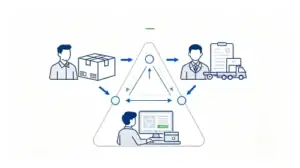
Let’s start with the basics. A freight forwarder is not a carrier (they don’t own ships, trucks, or planes) nor a shipper (they don’t sell or manufacture goods). Instead, they’re a specialized intermediary—think of them as a logistics project manager for global shipping. Their job is to coordinate every aspect of moving goods from the shipper (the business selling the product) to the consignee (the person or business buying it), using their expertise, industry connections, and problem-solving skills to navigate the complexities of international trade.
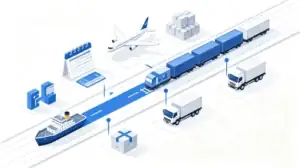
FIATA defines freight forwarding as a suite of services that includes arranging carriage (by sea, air, road, rail, or multimodal transport), consolidation, storage, handling, packing, distribution, and ancillary services like customs compliance, insurance, and document management. In short, they handle the “heavy lifting” so shippers don’t have to—saving time, reducing risk, and often cutting costs.
Many people assume freight forwarders only work with large corporations, but that’s a myth. Small businesses, e-commerce sellers, and even individuals (for high-value shipments) rely on freight forwarders to navigate the maze of international shipping rules, carrier options, and paperwork. Without them, most small businesses would struggle to expand globally—if they could do it at all.
The Freight Forwarding Process: A Step-by-Step Breakdown
While every shipment is unique (a small package of electronics will have a different journey than a 40-foot container of industrial machinery), the core process of freight forwarding follows a consistent, structured flow. Let’s walk through each stage, from the initial inquiry to the final delivery.
1. The Inquiry: Understanding the Shipper’s Needs
The process starts when a shipper reaches out to a freight forwarder with a simple question: “How do I get my goods from [Location A] to [Location B]?” But this question leads to a series of detailed conversations that lay the foundation for the entire shipment. The freight forwarder will ask critical questions to tailor a solution, including:
-
What type of goods are being shipped? (Are they fragile, hazardous, perishable, or high-value? Do they require special handling, like temperature control or reinforcement?)
-
What is the size and weight of the shipment? (This determines if it’s a full container load (FCL), less than container load (LCL), air freight, or road/rail transport.)
-
What are the origin and destination? (Is it a port-to-port shipment, door-to-door, or something in between? Are there remote locations or challenging access?)
-
What is the timeline? (Does the shipper need expedited air freight, or is cost-saving sea freight acceptable?)
-
What is the budget? (Balancing speed and cost is a key priority for most shippers.)
This stage is all about gathering intelligence. A skilled freight forwarder won’t just take the shipper’s request at face value—they’ll ask probing questions to identify potential risks (e.g., “Does your product require FDA approval to enter the U.S.?”) and opportunities to optimize the shipment (e.g., “Consolidating your LCL shipment with other cargo could save you 20% on costs”).

2. Planning & Quotation: Designing the Optimal Route
Once the freight forwarder understands the shipper’s needs, they move into planning mode. This is where their expertise and industry connections shine. They’ll compare options across carriers (shipping lines, airlines, trucking companies, rail operators) to find the best balance of speed, cost, and reliability.
For example, if a shipper needs to move 100 boxes of clothing from Shenzhen to London, the freight forwarder might compare:
-
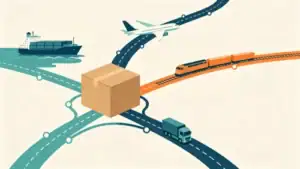
Sea freight: Lower cost but longer transit time (25-30 days), ideal for non-urgent shipments.
-
Air freight: Faster (3-5 days) but more expensive, suitable if the shipper needs to restock inventory quickly.
-
Multimodal transport: A combination of sea and road/rail (e.g., sea to Rotterdam, then rail to London) to balance cost and speed.
The freight forwarder will also factor in additional costs: customs duties, taxes, insurance, warehousing, and handling fees. They’ll then provide the shipper with a detailed quotation (often called a “proforma invoice”) that outlines all costs, timelines, and terms—so there are no surprises later.
In 2026, this planning stage has become even more complex due to industry challenges like platform centralization, customs inspection surges, and payment term pressures. Forwarders must now also consider factors like carrier reliability amid overbooking (which can lead to “rolled containers”) and the financial risks of extended payment terms.
3. Booking & Documentation: The “Paperwork Phase” (Critical but Overlooked)
Once the shipper approves the quotation, the freight forwarder moves to booking the shipment with the chosen carriers. But booking is just the start—this stage is dominated by paperwork, which is often the most error-prone (and costly) part of the process. Freight forwarders are experts at navigating this paperwork maze, ensuring compliance with both the origin and destination countries’ regulations.
Key documents they handle include:
-
Commercial Invoice: A detailed list of the goods, their value, and the parties involved (shipper, consignee, freight forwarder).
-
Packing List: A breakdown of each package, including weight, size, and contents (critical for customs inspection).
-
Bill of Lading (B/L): The “receipt” for the goods, issued by the carrier. It’s a legal document that proves ownership of the cargo and is required to pick up the goods at the destination.
-
Customs Declaration: A form filed with customs authorities that details the goods, their value, and any applicable duties or taxes.
-
Specialized Documents: For hazardous goods (MSDS reports), perishables (health certificates), or regulated products (FDA approvals, certificate of origin), the forwarder will coordinate additional paperwork to ensure compliance.
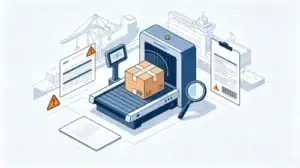
A single mistake in paperwork—like an incorrect product description or missing signature—can lead to delays, fines, or even the seizure of goods. For example, in 2026, the U.S. Customs launched a large-scale 5H automated inspection program, with thousands of containers detained due to document errors, costing forwarders and shippers thousands of dollars in storage and reprocessing fees. Freight forwarders mitigate this risk by double-checking every document and staying updated on changing regulations.

4. Cargo Pickup & Consolidation: Getting Goods Ready for Transport
With bookings and paperwork in place, the freight forwarder coordinates the pickup of the goods from the shipper’s warehouse (or manufacturing facility). For LCL shipments (smaller loads that don’t fill a full container), the forwarder will transport the goods to a consolidation warehouse, where they’ll be packed with other cargo bound for the same destination. This consolidation helps reduce costs for shippers, as they only pay for the space they use.
For FCL shipments (full containers), the forwarder arranges for a truck to deliver an empty container to the shipper’s location, where the goods are loaded. The forwarder may also coordinate packing and labeling services to ensure the goods are protected during transit—critical for fragile or high-value items like industrial machinery.
This stage also involves inspecting the goods to ensure they match the documentation and are in good condition. If there are any damages or discrepancies, the forwarder will document them and coordinate with the shipper to resolve the issue before the goods are shipped.
5. Transit & Tracking: Monitoring the Shipment Every Step of the Way
Once the goods are loaded onto the carrier (ship, plane, truck, or train), the freight forwarder’s job shifts to monitoring. In today’s digital age, shippers expect real-time updates on their shipments—and forwarders deliver this by leveraging tracking technologies and their relationships with carriers.
Forwarders use specialized software to track the shipment’s location, estimated arrival time (ETA), and any delays (e.g., port congestion, bad weather, mechanical issues). They also act as the shipper’s single point of contact—so if the shipper has a question (“Where is my shipment?”), they don’t have to call multiple carriers; they just call their forwarder.
This monitoring is critical for addressing issues quickly. For example, Green Leaves Logistics once handled an urgent shipment of divorce papers to Scotland that required four drivers due to consecutive vehicle breakdowns and an accident. The forwarder stayed calm, coordinated replacements, and ensured the papers arrived on time for the court case—demonstrating how even small shipments can become high-stakes and require quick thinking.
Another example: A forwarder handling a DDP shipment of industrial machinery from Shenzhen to Singapore faced a “rolled container” crisis (the carrier overbooked, and the container missed its scheduled vessel) and a last-minute consignee change. The forwarder rebooked the shipment, updated the manifest in under 24 hours to avoid fines, and ensured on-time delivery—securing a long-term partnership with the shipper.

6. Customs Clearance: Navigating the “Border Checkpoint”
Customs clearance is often the most stressful part of the shipping process for shippers—and where freight forwarders add the most value. Every country has its own customs rules, duties, and taxes, and navigating these rules requires specialized knowledge.
At the destination port (or airport), the freight forwarder (or their local agent) submits all the necessary documentation to customs authorities. They’ll pay any applicable duties and taxes on behalf of the shipper (often reimbursed later) and address any questions or inspections from customs. If the goods are inspected, the forwarder will coordinate with customs to ensure the process goes smoothly—minimizing delays.
In 2026, customs compliance has become even more challenging due to stricter regulations and increased inspections. For example, the U.S. Customs’ 5H inspection program has increased compliance costs for forwarders, who must now ensure every document is accurate and every shipment meets new security standards. Forwarders stay ahead of these changes by investing in training and digital tools that streamline compliance.
7. Final Delivery: Getting Goods to the Consignee
Once the goods clear customs, the freight forwarder coordinates the final leg of the journey: delivery to the consignee’s location. This could involve arranging for a truck to pick up the goods from the port/airport and deliver them to a warehouse, store, or residence.
For LCL shipments, the forwarder will first transport the consolidated container to a deconsolidation warehouse, where the goods are unloaded and sorted. Then, they’ll arrange for local delivery to each consignee. For FCL shipments, the container is delivered directly to the consignee, who unloads the goods.
The forwarder will also handle any final paperwork, like delivery receipts (proving the goods were received in good condition) and follow up with the shipper and consignee to ensure satisfaction. This final step closes the loop—and ensures the shipment is a success.

Why Freight Forwarders Matter (Even in the Digital Age)
With the rise of digital shipping platforms and self-service tools, some people wonder if freight forwarders are still necessary. The answer is a resounding yes—especially for businesses looking to expand globally. Here’s why:
-
They Save Time: Shippers don’t have to research carriers, navigate paperwork, or coordinate with multiple parties— the forwarder does it all.
-
They Reduce Risk: Forwarders’ expertise in compliance and risk management helps avoid costly delays, fines, and seizures.
-
They Cut Costs: Their relationships with carriers and ability to consolidate shipments mean better rates than most shippers could negotiate on their own.
-
They Offer Peace of Mind: Knowing a team of experts is managing your shipment allows shippers to focus on their core business (selling products, serving customers) instead of logistics.
In 2026, as the industry faces new challenges—platform centralization, payment term pressures, and stricter regulations—freight forwarders are becoming even more valuable. They’re evolving from logistics coordinators to strategic partners, helping businesses navigate the complexities of global trade and grow their international presence.
ABout AMZ Shipper
AMZ Shipper has several years of experience for international logistics Freight Forwarding service. Our service is for importer and exporter, foreign freight forwarders, local and abroad business. Export of 1500 of 40HQ per year for FBA Amazon shipping, 15-30tons of air shipments per month.
Member of WCA. Our company is a professional Amazon freight forwarder that specializes in providing comprehensive and efficient services to customers.