
If you’re an Amazon seller navigating the global e-commerce world, you know inventory management can feel like a never-ending juggle—customs delays popping up out of nowhere, steep duty costs eating into profits, overstock piling up with costly storage fees, and fulfillment that’s slower than you’d like. As cross-border selling becomes more common, finding a logistics solution that’s easy on your wallet, keeps you compliant, and flexible enough to roll with the punches has become a must for anyone looking to grow their business. Enter bonded warehousing: a specialized storage option regulated by customs that’s been a total game-changer for Amazon sellers, solving those annoying inventory pain points with some unique perks. In this article, we’ll break down what bonded warehousing is, how it works, and exactly how it can help you optimize your inventory, cut costs, and stand out in the crowded Amazon marketplace—no jargon, just straight talk.

How Bonded Warehousing Works for Amazon Sellers
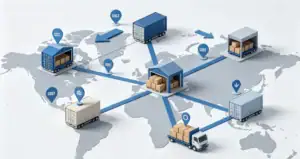
First, you import your bulk goods from overseas to a bonded warehouse near your target market (like a CBP-approved one in the U.S. if you’re selling on Amazon.com). When your goods arrive, they go straight to the bonded warehouse—no customs clearance, no upfront duty payments.
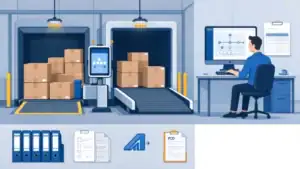
That means less waiting around and more cash in your pocket to start with. Second, your goods are stored under customs supervision, and most warehouses offer extra perks like repackaging, labeling, and quality checks—super important if you want to meet Amazon’s strict FBA rules.When you get an order on Amazon, you just tell the bonded warehouse how many items to send out. Those goods then clear customs, and you only pay duties and taxes on the amount you’re selling—not the entire batch. Finally, the released goods are shipped directly to an Amazon FBA center or straight to the customer (if you do FBM), so fulfillment is fast and hassle-free.
This is a huge shift from traditional inventory management, where you have to pay duties upfront when your goods clear customs. That ties up your working capital, and if your inventory doesn’t sell right away, you’re out that money. Bonded warehousing flips that script: you pay only when you sell, and if you have unsold inventory, you can re-export it without paying duties. That’s a lifesaver if you’re testing new products or dealing with seasonal demand—no more stressing about overcommitting.
Key Benefits of Bonded Warehousing for Amazon Sellers’ Inventory Management
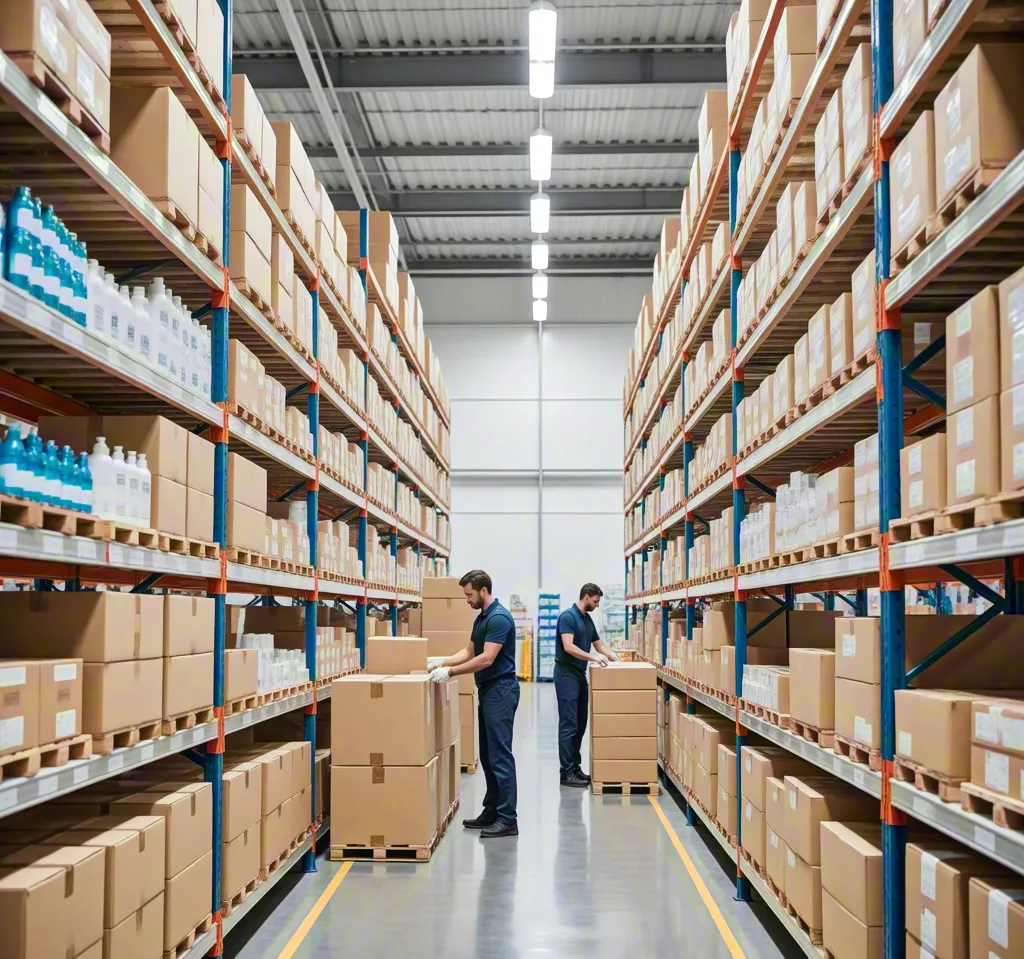
As an Amazon seller, you face some unique inventory headaches: keeping stock levels just right (so you don’t get hit with FBA storage fees or run out of stock), managing cash flow to pay for bulk imports, staying on the right side of customs rules, and getting orders to customers fast enough to keep them happy. Bonded warehousing checks all these boxes, with six big benefits that make inventory management easier and help your business grow.
1. Improved Cash Flow Through Duty Deferral
Let’s start with the biggest win: you can put off paying customs duties and taxes until you actually sell your goods. If you import bulk goods (like a container of products from China to the U.S.), upfront duty payments can be massive—sometimes tens of thousands of dollars. That’s money you could be using for marketing, developing new products, or buying more inventory. With bonded warehousing, you only pay duties on the portion of inventory you sell and take out of the warehouse—it’s like a “pay-as-you-sell” plan for duties.
Here’s a real example: say you’re importing $100,000 worth of electronics with a 10% duty rate. Normally, you’d pay $10,000 upfront. But with a bonded warehouse, if you sell 50% of your inventory in the first month, you only pay $5,000 in duties. That leaves you with $5,000 extra to reinvest in your business. This is especially helpful if you’re a seasonal seller (think holiday decorations or summer gear) who needs to stock up early but might not sell everything right away, or if your profit margins are tight and you need to watch every penny.
2. Reduced Risk of Overstocking and Unsold Inventory
Overstocking is every Amazon seller’s nightmare—high FBA storage fees (especially long-term ones) and the risk of inventory becoming obsolete and worthless. Bonded warehousing takes that stress away: you can store extra inventory in the bonded warehouse for less than you’d pay for FBA storage, and if something doesn’t sell, you can re-export it without paying duties. This is perfect if you’re testing a new product: import a small batch, store it in the bonded warehouse, and only send it to FBA as demand grows. No more wasting money on unproven products.
And if a product flops on Amazon? No problem—you can send the unsold inventory to another market (like from the U.S. to Canada or Europe) without paying U.S. duties. That cuts your losses and makes the most of your inventory. You can’t do that with traditional warehousing—once you pay duties on goods that clear customs, you’re stuck with them, even if you re-export.

3. Streamlined Fulfillment and Faster Delivery Times
We all know Amazon loves fast delivery—especially for Prime members. Your product’s delivery speed affects your search ranking and how many sales you get. The good news? Bonded warehouses are usually near major ports and Amazon FBA centers, so you can keep inventory in your target market without paying upfront duties. When an order comes in, the bonded warehouse can process and ship the goods to FBA or the customer in 1-3 days—way faster than shipping directly from overseas, which can take weeks.
For example, if you’re a Chinese seller targeting the U.S. market, you can store your inventory in a bonded warehouse in California, close to Amazon’s FBA centers in Los Angeles or San Francisco. When an order comes in, the warehouse releases the goods, clears customs quickly, and ships them to FBA. That means Prime customers get same-day or next-day delivery, which makes them happier, boosts your search ranking, and turns more browsers into buyers.
4. Cost Savings on Storage and Logistics
Bonded warehouses are almost always cheaper than FBA for storage—especially if you need to store goods long-term. Amazon charges more and more for inventory held longer than 90 days, but bonded warehouses usually have flat, affordable rates for extended storage (up to 5 years in the U.S.). That makes them perfect for slow-moving inventory or seasonal goods that you need to keep for a few months before peak demand hits.
Shipping in bulk to a bonded warehouse is also cheaper than sending small batches directly to FBA. You can import a full container of goods to the bonded warehouse, which lowers your per-unit shipping cost, and then send smaller quantities to FBA as you need them. No more paying for multiple expensive small shipments that get delayed. The table below breaks down the key differences between bonded warehousing and traditional FBA storage—so you can see the savings for yourself:
|
Comparison Factor
|
Bonded Warehousing
|
Traditional FBA Storage
|
|
Duty Payment
|
Deferred until goods are released for sale; no duty if re-exported
|
Paid upfront when goods clear customs
|
|
Storage Costs
|
Flat, competitive rates; lower for long-term storage (up to 5 years in the U.S.)
|
Higher rates, with additional long-term storage fees after 90 days
|
|
Flexibility for Unsold Inventory
|
Can re-export without paying duties; minimal loss
|
Duties already paid; re-export incurs additional costs
|
|
Fulfillment Speed
|
Fast (1-3 days) when paired with local FBA centers
|
Fast, but dependent on upfront inventory placement
|
|
Working Capital Impact
|
Low (duties deferred); more capital available for other business needs
|
High (upfront duties and storage fees); ties up working capital
|
5. Enhanced Customs Compliance and Risk Mitigation
Dealing with customs can be stressful—one wrong move and you could face fines, delays, or even have your goods seized. But bonded warehouses are directly regulated by customs authorities, so you can rest easy knowing your inventory is stored and processed the right way. Warehouse operators keep detailed records of every move your inventory makes—imports, storage, releases, re-exports—so customs reporting is a breeze, and you’re less likely to make mistakes or run into compliance issues.
Bonded warehouses are also super secure, with 24/7 security, surveillance, and climate control (for perishable or fragile goods). That means less risk of theft, damage, or spoilage—so you lose fewer products and have more peace of mind. For Amazon sellers, that’s one less thing to worry about.

6. Support for Multi-Channel and Global Expansion
Lots of Amazon sellers don’t just sell on Amazon—they also use eBay, Shopify, or even brick-and-mortar stores. Bonded warehousing makes multi-channel selling easier by giving you a central storage hub that can fulfill orders for all your platforms, not just Amazon. You can store all your inventory in one bonded warehouse and send it to FBA, other e-commerce sites, or retail stores—no more juggling multiple storage locations.
If you’re thinking about expanding to new international markets, bonded warehouses are a game-changer. You can import a small batch of goods, store them in a bonded warehouse in the target country, and release them to local customers as demand grows. No big upfront investments, no paying duties until you sell—just a low-risk way to test the waters. This “test-and-learn” approach is key to expanding globally without getting in over your head.
ABout AMZ Shipper
AMZ Shipper has several years of experience for international logistics Freight Forwarding service. Our service is for importer and exporter, foreign freight forwarders, local and abroad business. Export of 1500 of 40HQ per year for FBA Amazon shipping, 15-30tons of air shipments per month.
Member of WCA. Our company is a professional Amazon freight forwarder that specializes in providing comprehensive and efficient services to customers.