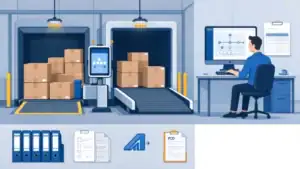
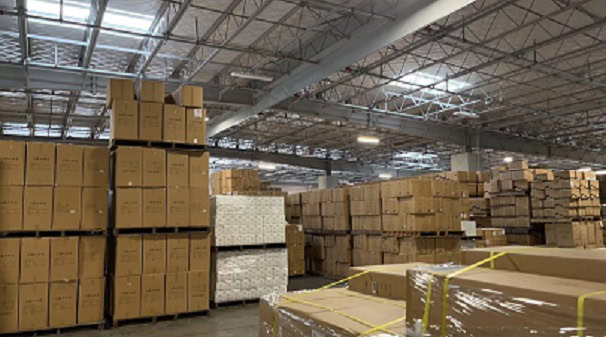
In today’s fast-paced global supply chain world, speed, efficiency, and keeping costs in check are what make businesses stand out from the crowd. No matter what industry you’re in, everyone’s looking for ways to simplify their logistics, cut down on wait times, and nix unnecessary expenses—all while keeping up with customers who want their orders faster than ever. Cross-docking is one strategy that’s been gaining traction lately; it’s a lean logistics method that changes how goods move from suppliers to the people who end up using them. Unlike traditional warehousing, which spends time storing inventory (whether for a short while or a long stretch), cross-docking is all about moving goods quickly, cutting down the time they sit in a facility and boosting how fast your entire supply chain runs. This article breaks down what cross-docking is, how it actually works day-to-day, its main perks, real-world examples of it in action, and how it makes your supply chain faster by speeding up transshipment.

Cross-Docking vs. Traditional Warehousing: The Key Differences
To really get how cross-docking is different from traditional warehousing (and why it makes your supply chain faster), it helps to put them side by side. The table below breaks down their key differences in what they do, how they work, costs, and when each one makes sense—so you can see why cross-docking is great for businesses that care about speed and efficiency:
|
Criteria
|
Cross-Docking
|
Traditional Warehousing
|
|
Inventory Storage
|
Hardly any storage at all—goods go straight from incoming to outgoing, and they usually stay in the facility for less than 24 hours (that’s called “dwell time”).
|
Goods are stored for short or long periods—sometimes days, weeks, or even months before they’re sent out.
|
|
Core Process
|
Unload → Sort → Reload (only 2-3 steps total), and the whole point is to get goods from incoming to outgoing as fast as possible.
|
Unload → Inspect → Store → Pick → Pack → Ship (5+ steps), and the main focus is keeping track of how much inventory you have.
|
|
Supply Chain Velocity
|
Super fast—It cuts down lead times a ton, making it easier to fulfill orders quickly and support just-in-time (JIT) delivery.
|
Slower—Storage and retrieving goods adds time, which means delays in getting products to customers.
|
|
Cost Structure
|
Cheaper to store inventory and pay labor (fewer steps mean fewer workers), but you need to coordinate and schedule things more carefully.
|
More expensive for storage (rent, utilities, equipment) and labor (more people needed to handle inventory), but it’s more flexible if things change.
|
|
Risk Exposure
|
Less risk of products going out of date, getting damaged, or having too much stock—since goods don’t sit around long.
|
More risk of overstocking, damage, or products becoming obsolete, because goods are stored longer.
|
|
Ideal Use Cases
|
High-volume, fast-selling items; perishable or time-sensitive products; restocking retail stores; JIT manufacturing; and international shipments.
|
Slow-moving goods; seasonal inventory; products that need extra work (like kitting or assembly); and businesses that need extra inventory to handle sudden demand spikes.
|
How Cross-Docking Works: The Step-by-Step Breakdown
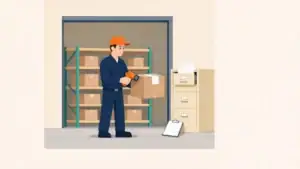
The cross-docking process usually follows four simple steps, all designed to keep delays to a minimum and make transshipment smooth. First, incoming shipments show up at the cross-dock, often with advance shipment notices (ASNs) that tell you what’s in the shipment, where it’s going, and how much there is. This heads-up lets the facility plan sorting and loading ahead of time, so there’s less waiting once the goods arrive. Second, the incoming goods are unloaded from trucks, trains, or containers and checked quickly for damage or mistakes. Unlike traditional warehousing, there’s no step where you put goods on storage racks—they go straight to a sorting area. Third, the goods are sorted by their final destination—could be retail stores, distribution centers, or even individual customers. Sorting is usually done with barcode scanners or RFID tech to make sure it’s accurate and fast. Finally, the sorted goods are loaded onto outgoing vehicles, which leave as soon as they’re full—so goods spend as little time in the facility as possible.
Different Types of Cross-Docking (Pick What Fits Your Business)
There are a few different types of cross-docking, each tailored to different business needs and supply chain setups. The most common ones are: direct cross-docking, where goods are unloaded and immediately loaded onto outgoing vehicles (no waiting around—perfect for high-volume, low-variety goods, with dwell time under an hour). Indirect cross-docking has a short waiting period (usually under four hours) to sort or combine small shipments before loading—great for orders with lots of different items or small batches. Consolidation cross-docking takes multiple small shipments (called LTL, less-than-truckload) from different suppliers and combines them into one full truckload (FTL), which saves money on transportation and makes things more efficient. On the flip side, deconsolidation cross-docking breaks down a full truckload into smaller loads to deliver to multiple places, like retail stores. Finally, opportunistic cross-docking uses incoming goods that are already there to fulfill immediate customer orders—even if those goods were originally meant for later orders—to get orders out faster.
The Perks of Cross-Docking: Why It’s Worth It
The perks of cross-docking go way beyond just faster transshipment—they affect every part of your supply chain, from saving money to making customers happier. One of the biggest benefits is lower inventory costs. Since goods aren’t stored for long, you save on warehouse rent, utilities, insurance, and the people who manage inventory. Studies show cross-docking can cut facility costs by 40-60% and labor costs by 50-70% compared to traditional warehousing, because fewer steps mean fewer workers needed. Plus, since goods don’t sit around, there’s less chance they’ll get damaged, stolen, or go out of date—this is especially important for perishable stuff like food, medicine, or seasonal items.
Another big plus is a faster supply chain, which means faster delivery for customers. In today’s world, where people expect next-day or even same-day delivery, cross-docking gives you an edge by cutting lead times from days to hours. For example, a retail chain using cross-docking can get shipments from suppliers in the morning, sort them for individual stores, and have the goods delivered by the afternoon—so shelves stay stocked and you don’t run out of popular items. In manufacturing, cross-docking helps with JIT production by delivering raw materials or parts exactly when they’re needed, so you don’t need to keep huge stockpiles on-site and production doesn’t get delayed.
Cross-docking also makes your supply chain more flexible and able to adapt. Without the need to store inventory, you can quickly adjust to changes in customer demand, market trends, or supply chain problems. For example, if a product suddenly becomes super popular, cross-docking lets you redirect incoming shipments to meet that demand—no need to wait to get inventory out of storage. Similarly, if a supplier is delayed, cross-dock facilities can quickly send goods from other suppliers to keep things running smoothly.
What to Consider Before Trying Cross-Docking
While cross-docking has lots of benefits, it’s not for everyone. Making it work well takes planning and the right setup. You’ll need to invest in technology like warehouse management systems (WMS) and transportation management systems (TMS) to track shipments in real time, coordinate incoming and outgoing schedules, and make sure sorting is accurate. A well-designed cross-dock facility is also key—with separate areas for incoming and outgoing trucks, dedicated lanes for staging, and smooth flow paths to avoid congestion and speed up handling. Plus, you need to work closely with suppliers and carriers: suppliers need to send accurate ASNs and deliver on time, and carriers need to schedule outgoing trucks to line up with incoming shipments so there’s no waiting.
You also need to think about the type of goods you’re handling. Cross-docking works best for high-volume, fast-moving, non-perishable goods that don’t need a lot of inspection, packaging, or customization. Fragile, high-value, or specialized goods might not be a good fit—since moving them quickly could increase the chance of damage. Also, if your demand is unpredictable or your order sizes vary a lot, traditional warehousing might be better, because it gives you extra inventory to handle sudden spikes in demand.
ABout AMZ Shipper
AMZ Shipper has several years of experience for international logistics Freight Forwarding service. Our service is for importer and exporter, foreign freight forwarders, local and abroad business. Export of 1500 of 40HQ per year for FBA Amazon shipping, 15-30tons of air shipments per month.
Member of WCA. Our company is a professional Amazon freight forwarder that specializes in providing comprehensive and efficient services to customers.