If you’ve ever shopped around for a freight forwarder, you know the feeling: you get three quotes for the same shipment, and they’re all wildly different—one is suspiciously low, one is middle-of-the-road, and one makes you do a double-take at the price tag. You’re tempted to go with the cheapest option to save money, but a little voice in your head whispers, “What’s the catch?”
That voice is right. When it comes to freight forwarder quotes, the number you see upfront is rarely the final number you’ll pay. Hidden fees, vague terms, and fine-print surprises can turn a “bargain” rate into a budget nightmare—especially for small businesses or new importers/exporters who don’t know what to look for. I’ve been there: early in my career, I chose a forwarder with a rock-bottom quote for a shipment from China to the U.S., only to get hit with $1,200 in “unexpected” fees when the goods reached the port. It was a costly lesson, but it taught me how to read between the lines of any freight quote.
In this blog, I’m breaking down everything you need to know about freight forwarder quotes—what they include, why they vary so much, and most importantly, how to compare rates without falling victim to hidden fees. No jargon, no fluff—just real-world advice from someone who’s navigated the chaos of international shipping.

What Even Is a Freight Forwarder Quote?
Let’s start with the basics. A freight forwarder quote is a document (or email) that outlines the cost of moving your goods from Point A to Point B. But here’s the thing: not all quotes are created equal. Some forwarders will give you a “all-in” rate that covers every expense, while others will only list the base freight cost and leave out dozens of smaller (but significant) fees.
Think of it like buying a car: the sticker price might be $25,000, but by the time you add taxes, fees, and extras, you’re looking at $28,000. Freight quotes work the same way—except the “extras” can be even more hidden, and they add up fast.A legitimate quote should clearly outline two types of costs: core costs (the non-negotiable expenses of moving your goods) and accessorial fees (additional services you might need). The problem? Many forwarders bury the accessorial fees in fine print, or don’t mention them at all—hoping you’ll sign first and ask questions later.
The Breakdown: What’s Actually in a Freight Quote?
Before you can compare quotes, you need to know what to look for. Let’s break down the most common components of a freight forwarder quote—both the ones they’ll tell you about, and the ones they might try to hide.
1. Base Freight Cost
This is the big number at the top of the quote—the cost of moving your goods from the origin port/airport to the destination port/airport. It’s based on factors like:
-
Shipping mode (ocean, air, rail, or express)
-
Weight and volume of your shipment (for ocean freight, this is often measured in CBM—cubic meters; for air freight, it’s kilograms)
-
Route (e.g., Shanghai to Los Angeles vs. Shenzhen to New York)
-
Season (peak seasons like Christmas or Chinese New Year will drive up base rates)
This is the number most people focus on, but it’s just the starting point. For example, a forwarder might quote $1.50/kg for air freight from China to the U.S.—but that’s only the base cost. You’ll still have to pay for fuel, handling, and other fees on top of that.
2. Fuel Surcharges (FSC)
Fuel prices are volatile, so most forwarders add a fuel surcharge (FSC) to cover fluctuations. This fee is usually a percentage of the base freight cost, and it can change weekly. The problem? Some forwarders don’t include it in the initial quote, or they understate it. I once had a quote that didn’t mention the FSC at all—when I asked, they said it was “included,” but it turned out to be an extra 15% of the base rate.

3. Terminal Handling Charges (THC)
THC is a fee charged by ports for loading, unloading, and storing your goods. It’s split into two parts: origin THC (charged at the port where your goods are loaded) and destination THC (charged at the port where they’re unloaded). These fees are non-negotiable, but they’re often hidden in the fine print—especially destination THC. I’ve seen forwarders quote a low base rate, only to add $300-$500 in destination THC later.
4. Documentation Fees
International shipping requires a lot of paperwork: bills of lading, commercial invoices, certificates of origin, and more. Forwarders charge a documentation fee to handle this paperwork, but the cost can vary widely—from $50 to $200. Some forwarders bundle this into the base rate, while others charge it as a separate fee. If it’s not listed, ask—otherwise, you’ll get a surprise charge later.
5. Customs Clearance Fees
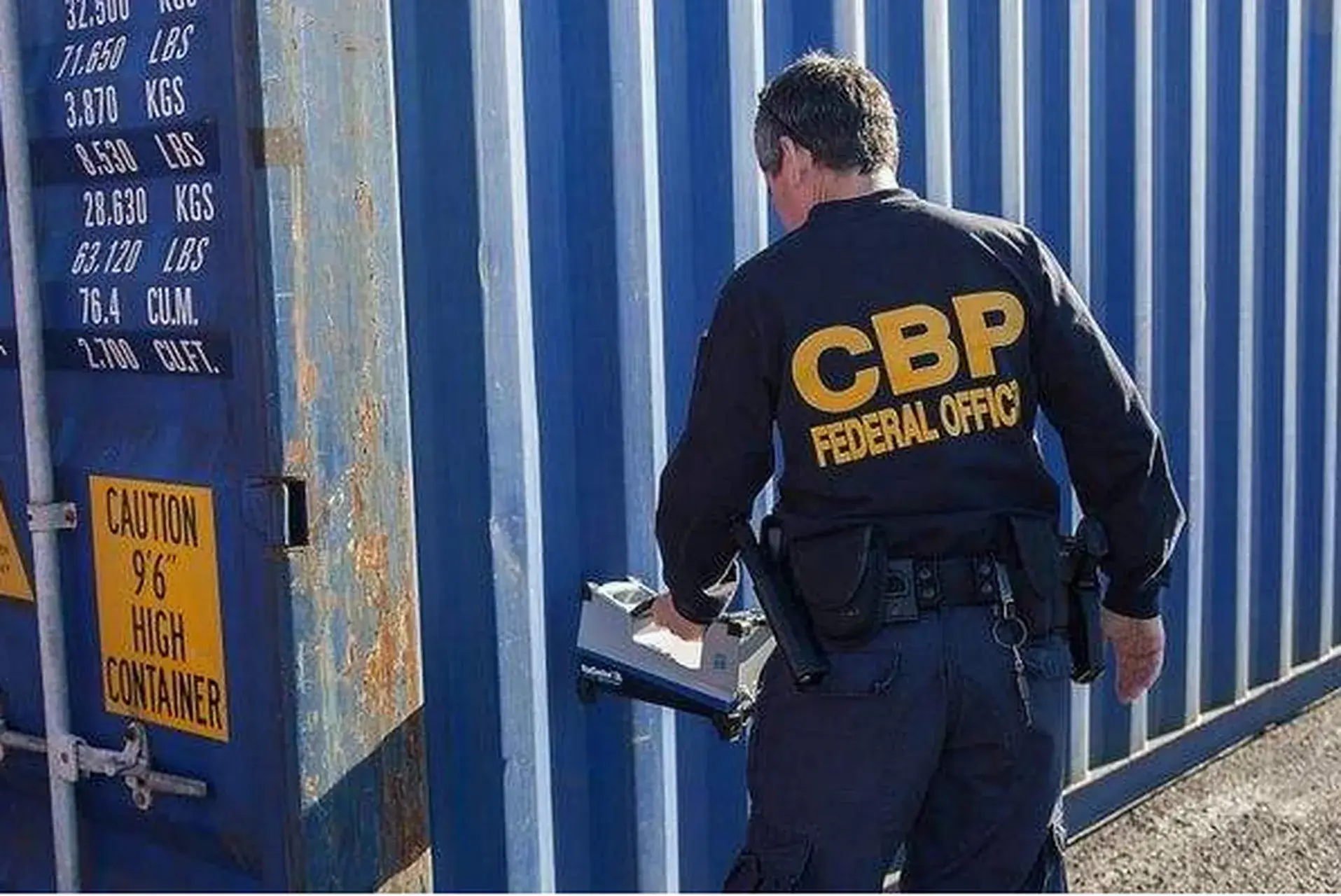
Clearing customs is a complex process, and forwarders charge a fee to handle it. This fee covers things like filing customs declarations and communicating with customs officials. For simple shipments, it might be $100-$200, but for complex goods (like electronics or food), it can be higher. Some forwarders also charge extra if your goods are inspected by customs—another hidden cost to watch for.

6. Hidden Fees to Watch For (The “Gotchas”)
These are the fees that forwarders often don’t mention upfront, but they can be the most costly. Here are the ones I’ve encountered most often:
-
Demurrage/Detention Fees: If your goods are held at the port longer than the free time (usually 3-5 days), you’ll be charged demurrage (for storage at the port) or detention (for keeping the container too long). These fees can be $100-$200 per day—add up over a week, and you’re looking at a huge bill. Some forwarders don’t explain free time, so you might not realize you’re being charged until it’s too late.
-
Port Congestion Surcharges: If the destination port is busy (like Los Angeles or Shanghai during peak season), forwarders might add a congestion fee to cover delays. This can be 10-20% of the base rate, and it’s often not listed in the initial quote.
-
Remote Area Surcharges: If your goods need to be delivered to a location outside the main port area (e.g., a warehouse in the countryside), you’ll be charged an extra fee. Forwarders might not ask about your delivery location upfront, so this fee can come as a surprise.
-
Currency Adjustment Fees (CAF): If the shipping currency (usually USD) fluctuates, some forwarders charge a CAF to cover the difference. This is another fee that’s often hidden in fine print
How to Compare Quotes: Stop Focusing on the Base Rate
Now that you know what’s in a quote, let’s talk about how to compare them. The biggest mistake most people make is choosing the quote with the lowest base rate. Instead, you need to compare the total landed cost—the sum of all fees, including hidden ones.
To make this easier, I created a simple comparison table that you can use when shopping for forwarders. It breaks down all the key fees, so you can see exactly where your money is going. Here’s an example (based on a 100kg air freight shipment from Shenzhen to Chicago):
|
Cost Component
|
Forwarder A (Low Base Rate)
|
Forwarder B (Mid-Range Rate)
|
Forwarder C (High Base Rate)
|
|---|---|---|---|
|
Base Freight Cost
|
$150 (1.50/kg)
|
$180 (1.80/kg)
|
$200 (2.00/kg)
|
|
Fuel Surcharge (15%)
|
$22.50
|
$27
|
$30
|
|
Terminal Handling Fee
|
$50 (origin only; destination THC not listed)
|
$80 (origin + destination)
|
$80 (origin + destination)
|
|
Documentation Fee
|
Not listed (later charged $100)
|
$70
|
$60
|
|
Customs Clearance Fee
|
Not listed (later charged $150)
|
$120
|
$110
|
|
Hidden Fees (Demurrage, Congestion)
|
Not listed (later charged $200)
|
$0 (included in quote)
|
$0 (included in quote)
|
|
Total Landed Cost
|
$672.50
|
$477
|
$480
|
Look at that: Forwarder A had the lowest base rate, but their total landed cost was $195.50 higher than Forwarder B. That’s the danger of focusing only on the base rate. Forwarder A hid fees like destination THC, documentation, and customs clearance—fees that only showed up when it was time to pay.
When comparing quotes, make sure you ask each forwarder to list every single fee—no exceptions. If they hesitate or say “it’s included,” press them for details. A legitimate forwarder will be transparent about all costs upfront.
5 Pro Tips to Avoid Hidden Fees
Based on my years of experience, here are the best ways to protect yourself from hidden fees when comparing freight forwarder quotes:
1. Get Everything in Writing
Verbal promises mean nothing in international shipping. If a forwarder tells you “all fees are included,” ask them to put it in writing—preferably in the quote or contract. This way, if they try to add hidden fees later, you have proof they said otherwise. I once had a forwarder verbally promise no extra fees, but when I got the invoice, there was a $300 “handling fee.” I sent them the email where they said no extra fees, and they waived it.
2. Ask About Free Time for Containers
Demurrage and detention fees are some of the most costly hidden fees, so make sure you ask about free time. Most ports offer 3-5 days of free storage, but some forwarders might negotiate more if you ask. Also, ask about the daily rate for demurrage/detention—so you know how much you’ll be charged if there’s a delay.
3. Be Specific About Your Shipment Details
The more details you give the forwarder, the more accurate the quote will be. For example, if your goods are fragile, oversized, or require special handling (like refrigeration), mention it upfront. If you don’t, the forwarder might add a “special handling fee” later. Also, be clear about your delivery location—if it’s a remote area, ask if there’s a surcharge.
4. Check Reviews and References
A forwarder with a history of hidden fees will have bad reviews. Before choosing a forwarder, check sites like Google Reviews, Trustpilot, or industry forums. You can also ask the forwarder for references—call other businesses that have used their services and ask if they encountered any hidden fees. I once avoided a bad forwarder because their reviews were full of complaints about unexpected charges.
5. Don’t Be Afraid to Negotiate
Freight rates are negotiable—especially if you’re a regular customer or shipping large volumes. But negotiation isn’t just about the base rate; you can also negotiate fees like documentation, customs clearance, or fuel surcharges. For example, if one forwarder offers a lower documentation fee, ask another forwarder to match it. Most forwarders are willing to negotiate to win your business.

Final Thoughts: Transparency Is Key
At the end of the day, the best way to avoid hidden fees is to work with a forwarder who is transparent about their pricing. A good forwarder will take the time to explain every fee in your quote, answer your questions, and put everything in writing. They won’t pressure you to sign quickly, and they won’t hide fees in fine print.
Remember: The cheapest quote isn’t always the best deal. It’s better to pay a little more upfront for a transparent quote than to get hit with hundreds (or thousands) of dollars in hidden fees later. By following the tips in this blog, you’ll be able to compare freight forwarder quotes with confidence—and avoid the traps that cost so many businesses money.
If you’ve ever been burned by hidden fees, I’d love to hear your story in the comments. And if you have any questions about freight quotes, feel free to ask—I’m happy to help!
ABout AMZ Shipper
AMZ Shipper has several years of experience for international logistics Freight Forwarding service. Our service is for importer and exporter, foreign freight forwarders, local and abroad business. Export of 1500 of 40HQ per year for FBA Amazon shipping, 15-30tons of air shipments per month.
Member of WCA. Our company is a professional Amazon freight forwarder that specializes in providing comprehensive and efficient services to customers.