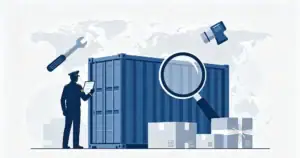
Among Amazon‘s two main fulfillment models, FBA and FBM represent very different ways of doing business. With FBM, sellers handle everything themselves—storage, packing, international shipping, customs clearance, and last-mile delivery. Every order means dealing with a complex cross-border supply chain.
Many sellers choose FBM because it offers more flexibility and lower upfront costs. You don’t have to send large batches of inventory to overseas warehouses, which means you avoid storage fees and the risk of dead stock. You can also sell products that FBA doesn’t easily accept—items with batteries, oversized goods, or non-standard products. But as orders grow from a handful to dozens per day, and as Amazon’s compliance standards get stricter, handling everything in-house starts to feel less like a cost-saving move and more like a bottleneck.

Why Doing It Yourself Is Getting Harder
Starting June 2026, Amazon US rolled out several new rules for self-fulfilled orders, all aimed at holding sellers accountable for their delivery promises. The days of padding handling times to buy some breathing room are officially over.
Your handling time has to match reality. Amazon now requires sellers to set accurate handling times for each FBM SKU, based on actual shipping data from the past 30 days. If your handling time is set too high, Amazon will automatically override it. Set it too low, and your late shipment rate goes up—leading to warnings, selling restrictions, or even a permanent ban.
Premium Shipping rules are tightening too. The on-time delivery threshold has been lowered from 97% to 93.5%—which sounds like good news—but the review period has changed from monthly to weekly. Miss the target three times in a row, and you’re out. The old trick of averaging out a bad week with a good month no longer works.
Meanwhile, SFP (Seller Fulfilled Prime) speed requirements have gone up. For standard-size items, the one-day delivery page requirement has jumped from 30% to 40%, and two-day delivery from 70% to 75%. All these changes point in the same direction: Amazon is using real shipping data to push sellers to actually deliver faster. For most FBM sellers whose strength is in product and marketing, this isn’t a matter of “should we optimize”—it’s about whether you can keep up.
The Real Value of Outsourcing Logistics
Handing off your logistics to a professional isn’t just about finding someone to pick up packages. It’s about turning a messy, time-consuming operation into a streamlined system—so you can get back to what actually grows your business.

Protecting Your Account Health
Amazon’s data shows that for every day you shorten your promised delivery time, you can expect roughly a 5% boost in sales. For FBM sellers, OTDR (On-Time Delivery Rate) and ODR (Order Defect Rate) directly affect your Buy Box chances and traffic. A reliable logistics partner means consistent tracking number generation, smooth customs clearance, and dependable last-mile delivery—all of which keep your account metrics healthy.
Good logistics providers offer clear, standard shipping options. For example, express lines to the US or Europe typically deliver in 7-15 working days, while economy lines take 12-22 working days. You can choose based on your product type and customer expectations. A delivery rate above 99.5% and a sorting error rate near zero means fewer complaints and A-to-Z claims from buyers whose packages seem to disappear.
Freeing Up Your Time
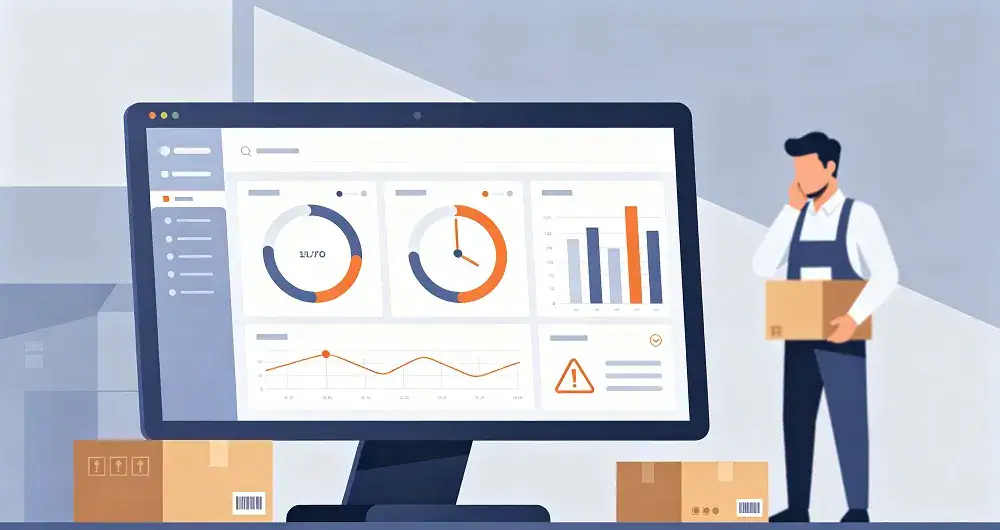
For sellers handling a few hundred to a few thousand orders a month, the time spent on packing, labeling, calling freight forwarders, tracking shipments, and dealing with customs issues can easily hit a dozen or more hours each week. That’s time you could spend on product research, ad optimization, and customer relationships. After outsourcing, 82% of brands report that their service levels didn’t drop—and they gained back hours to focus on selling and innovation.

Better Cost Structure
Professional logistics providers move large volumes, which gives them bargaining power with carriers that individual sellers simply don’t have. Some also offer special rates for bulky items by adjusting how dimensional weight is calculated—a big help for sellers of furniture, bedding, and other light-but-large products. Just remember: the quoted shipping rate isn’t the whole story. Keep an eye on dimensional weight adjustments, customs fees, return handling charges, and other hidden costs.
Common FBM Logistics Outsourcing Models
Different products, target markets, and order volumes call for different approaches. Here are some proven options:
| Model | Best For | Key Features |
|---|---|---|
| Cross-border Express Parcel | Small to medium items, daily order fulfillment | Stable delivery times, full tracking, good for US/EU/JP markets |
| Overseas Warehouse One-Piece Fulfillment | Best-selling SKUs, large or heavy items | Local-country shipping, delivery times close to FBA, ~30% lower storage costs than FBA, no long-term storage fees |
| Full-Chain Service (Pickup to Delivery) | Sellers with multiple marketplaces, those needing customs support | Covers everything from domestic pickup to ocean/air freight, customs clearance, and final delivery—reduces handoff risks |
| FBA Prep-Only Service | FBA sellers needing labeling, bundling, or repackaging | Growing demand after Amazon stopped providing some prep services in 2026 |
Signs You Might Need to Outsource
Here are some indicators that it might be time to rethink your logistics setup. If several of these sound familiar, it’s worth exploring your options:
-
You’re frequently dealing with buyer messages or claims about late shipments
-
Packing and coordinating with carriers is eating up most of your workday
-
You’re expanding to new marketplaces and feel overwhelmed by local customs and delivery rules
-
Your order volume fluctuates a lot—slow seasons leave you with idle staff and space, while peak seasons overwhelm you
-
You’re selling on multiple channels (like Amazon and TikTok Shop) and managing different carriers is becoming chaotic

What to Look for in a Logistics Partner
Not all logistics providers are created equal. A structured evaluation process—beyond just comparing prices—can save you headaches down the road.
Check their credentials first. Make sure they have proper licenses like a freight forwarding certificate or NVOCC (Non-Vessel Operating Common Carrier) status. A fully licensed provider is better equipped to handle customs inspections and policy changes in destination countries.
Look at their end-to-end capabilities. Does the provider own and operate key parts of the supply chain—like their own consolidation warehouses, overseas facilities, and local delivery fleets? More control over these links usually means smoother handoffs and fewer delays.
Demand transparent pricing. A reputable provider will give you a detailed quote that breaks down every charge: trucking, customs clearance, warehousing, delivery, documentation, and any other fees. They’ll clearly explain what triggers each charge and how it’s calculated. Be wary of providers that lure you in with a low base rate and then pile on unexpected fees once your cargo is already moving.
Check their digital tools. Mature providers have their own tracking systems that cover booking, inventory visibility, shipment tracking, and alerts. Good systems pull real-time data from ports and vessels, so you can see when your cargo arrives, clears customs, and gets delivered—without having to chase someone for updates.
Understand their support and claims process. Before signing anything, go over their policies on lost or damaged goods. Know exactly what the compensation is, how to file a claim, what documents you need, and how long the process takes. Get everything in writing.
A Closer Look at AMZ Shipper’s Service Structure
AMZ Shipper made some notable service updates in 2026 that directly
address common FBM seller pain points in three key areas:
Pickup and consolidation timelines. To address previous feedback about unclear shipment milestones, AMZ Shipper has set an internal standard: for the two main routes to the US West Coast (Los Angeles/Long Beach) and US East Coast (New York/New Jersey), cargo will be consolidated and loaded onto vessels within five working days of arriving at the designated warehouse.
Faster customer response. The support team now operates with overlapping shifts covering both China and US business hours, so most client inquiries receive a meaningful response within four hours. Each client is also assigned a dedicated account manager who tracks all shipments and sends regular status summaries—no more chasing down updates yourself.
Clear, upfront pricing. For prep services like labeling, repackaging, and assembly, AMZ Shipper offers a standardized price list based on SKU type and complexity. Before shipping, clients receive a written quote that breaks down ocean freight, customs clearance, destination trucking, and any optional services. As long as you don’t change your product type or shipping terms mid-way, there won’t be any surprise charges later.
Currently, AMZ Shipper operates four consolidation warehouses in Shenzhen, Yiwu, Guangzhou, and Qingdao, covering the main manufacturing regions in southern, eastern, and northern China. The company handles over 1,500 40HQ containers of FBA-related ocean freight each year, along with 15 to 30 tons of air freight per month. As a member of the World Cargo Alliance (WCA), AMZ Shipper works with a global network of agents to provide customs clearance, last-mile delivery, and overseas warehousing in destination countries.
Finding the Right Fit for Your Business
Every seller’s product mix, order volume, and target markets are different—there’s no one-size-fits-all solution. When evaluating logistics outsourcing options, start with your core product categories and main target countries, then look for providers that have real experience and proven track records in those specific areas.
Think of logistics outsourcing as a strategic decision, not a one-off purchase. Take the time to look at the full picture—stability, transparency, and how well the provider handles problems when things go wrong. When you get these pieces right, FBM stops being a daily grind and starts being a real engine for growth.