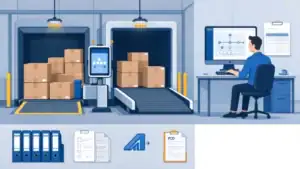
In the world of cross-border e-commerce, first-mile logistics is often the part sellers can control the least. With Amazon rolling out a series of new inbound policies in 2026 — including ending FBA prep services in the US, adjusting how inbound placement fees are calculated, and significantly raising inbound defect fees — choosing a reliable FBA freight forwarder has become more critical than ever.
Behind a low quote, there may be risks that leave you with unexpected charges in your Amazon seller central. This article will walk you through the key questions you need to ask before signing with an FBA freight forwarder. These questions won’t just help you screen out truly professional partners — they’ll also save you unnecessary costs and headaches down the road.

1. About FBA Compliance Handling
Starting January 1, 2026, Amazon US no longer provides prep and labeling services for FBA shipments. This means all inventory sent to Amazon fulfillment centers must be properly packaged and labeled before it arrives. If a shipment arrives without appropriate prep, you won’t be compensated once items are damaged or can’t be traced.
So you need to ask the forwarder directly: Do you offer FBA prep services? What exactly is included?
A professional forwarder should be able to clearly explain how they handle bubble wrap, poly bagging, opaque bagging, and FNSKU labeling. More importantly, they should understand the differences in prep requirements across product categories — fragile items, liquids, adult products, and so on all have specific packaging rules.
Another key change is the tightening of FNSKU label requirements. Starting March 31, 2026, sellers who haven’t registered for Amazon Brand Registry must apply Amazon’s exclusive FNSKU label to every unit sent to FBA — even if the product already has a GS1-compliant barcode. This policy aims to achieve unit-level inventory tracking, replacing the old commingled inventory model. Does your forwarder know about this change? Can they complete compliant labeling before your goods leave the factory, rather than waiting until they reach the US? The answers directly affect your inbound efficiency and costs.
2. About Inbound Placement and Warehouse Splitting Strategy
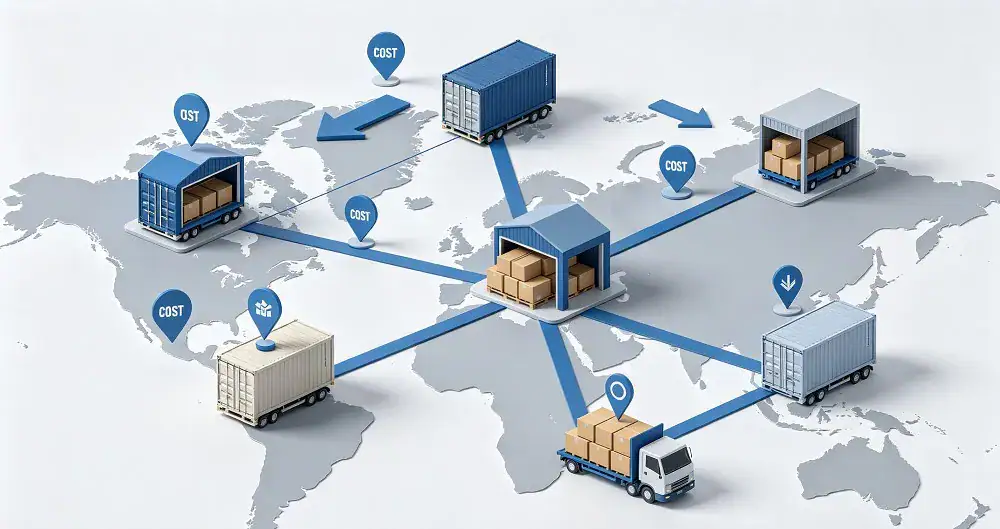
Amazon’s inbound placement service fee is a cost many sellers overlook. The logic behind it: if you choose to send goods to a single warehouse, Amazon needs to redistribute inventory to other fulfillment centers on its own, so it charges a per-unit placement fee. If you accept Amazon’s multi-warehouse allocation and spread goods across several warehouses, you can avoid or reduce that fee.
After the 2026 rate adjustments, sellers choosing single-warehouse inbound face noticeably higher placement fees, while those opting for optimized splitting can still enjoy lower rates or even free placement. Take standard-size items as an example — the cost gap between single-point inbound and split inbound can be several times over.
| Inbound Method | Fee Characteristics | Suitable Scenarios |
|---|---|---|
| Single-point inbound | Full per-unit placement fee | Large volume, full container loads, clear first-mile consolidation advantages |
| Partial split (2-3 warehouses) | Charged at a lower rate | Medium volume, balancing first-mile cost and placement fee |
| Optimized split (4+ warehouses) | Placement fee can be waived | Small batch replenishment, forwarder prices by carton |
Can your forwarder help you analyze the cost difference between splitting and consolidating? Are they familiar with the inbound placement options in Seller Central, and can they recommend the best plan based on your product characteristics? The answers will directly shape your overall FBA cost structure. Keep in mind that while splitting can waive placement fees, it adds first-mile logistics costs — the same batch going to warehouses in different regions can increase both domestic logistics and destination delivery costs. A professional forwarder should be able to run these numbers for you, not just casually suggest one option.
3. About Preventing Inbound Defect Fees
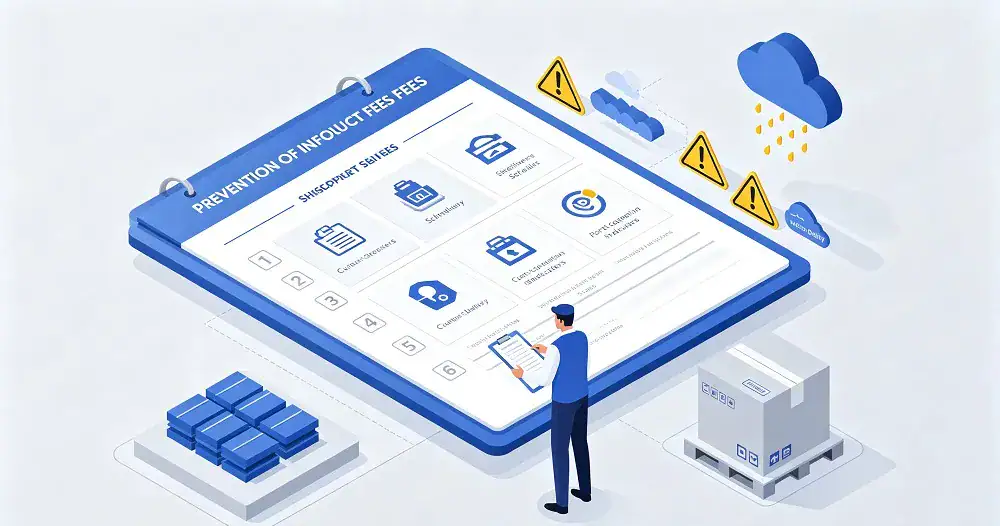
The inbound defect fee is one of the biggest changes in 2026. Starting January 15, 2026, Amazon simplified this fee to a single rate — but the rate jumped significantly. For small standard-size items, the defect fee rose substantially from its previous level.
These actions easily trigger inbound defect fees: shipments sent to fulfillment centers that don’t match the inbound plan, shipments deleted or cancelled after approval, domestic shipments not delivered within 45 days of creation, international shipments not delivered within 75 days, and other shipments in a multi-destination plan not completed within 30 days of the first delivery.
Does your forwarder understand these time limits? Can they ensure your shipments are checked in within the required window? More importantly, when unexpected situations arise — customs inspections, port congestion, weather delays — do they have contingency plans to avoid triggering defect fees?
An experienced forwarder should be able to help you plan a reasonable shipping schedule with enough buffer time. They should proactively remind you when to create shipments, rather than rushing to arrange things near the deadline. If your forwarder knows nothing about inbound defect fees, or brushes it off saying “don’t worry about it,” that’s a red flag.
4. About Cost Transparency
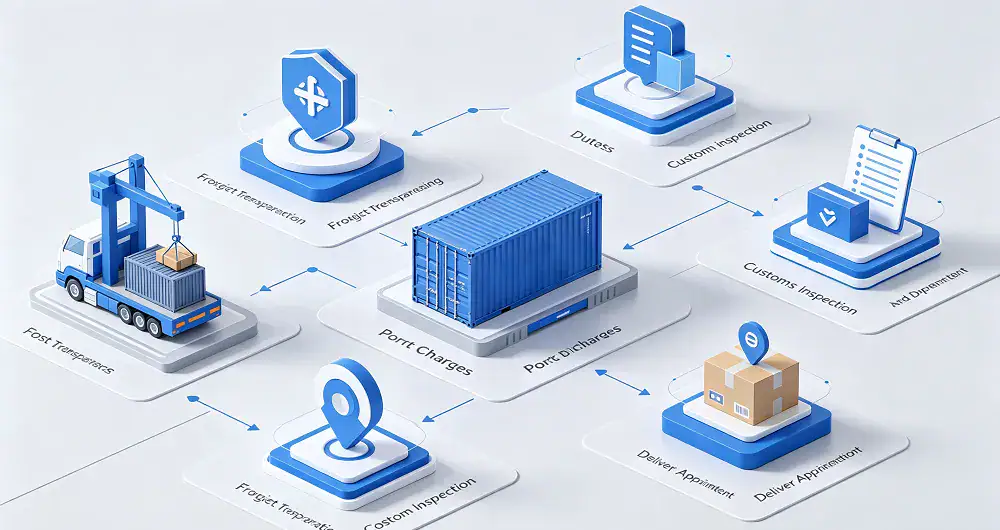
“Is this quote all-inclusive?” This is a core question you must ask. Many forwarders attract customers with low prices, then make up the profit through various surcharges during transit. The total you end up paying may be far higher than the initial quote.
You need to ask the forwarder to clearly state what’s included: ocean or air freight, origin port charges, destination port charges, duties, ISF filing fees, chassis fees, appointment delivery fees. Specifically ask: if goods are inspected by customs, who covers the inspection fee? If Amazon rejects the shipment or requires a re-appointment for delivery, how are the extra costs calculated?
A transparent forwarder should be able to provide a detailed cost breakdown, not vague answers. They should proactively tell you where extra fees might come from, rather than waiting for you to ask.

5. About Emergency Handling and After-Sales Support
Things go wrong in the logistics chain. What matters is whether your forwarder can respond quickly and handle it properly when problems arise.
You need to know: if goods are held at customs, what’s the forwarder’s process? If Amazon rejects the shipment, can they provide overseas warehouse storage and relabeling? If goods are damaged or lost in transit, what’s the claims process?
The answers reflect the forwarder’s resource network and emergency capabilities. A capable forwarder should have partnered overseas warehouse resources in the US, able to provide transit, relabeling, and re-appointment delivery when needed. They should have a clear claims process and timeline commitments — not pass the buck when problems happen.
Communication efficiency also matters. Does your forwarder offer 24/7 customer support? When time zone issues come up, can you reach someone in charge promptly? During peak season, do they have enough team members to handle the surge in inquiries?
6. About Balancing Price and Value
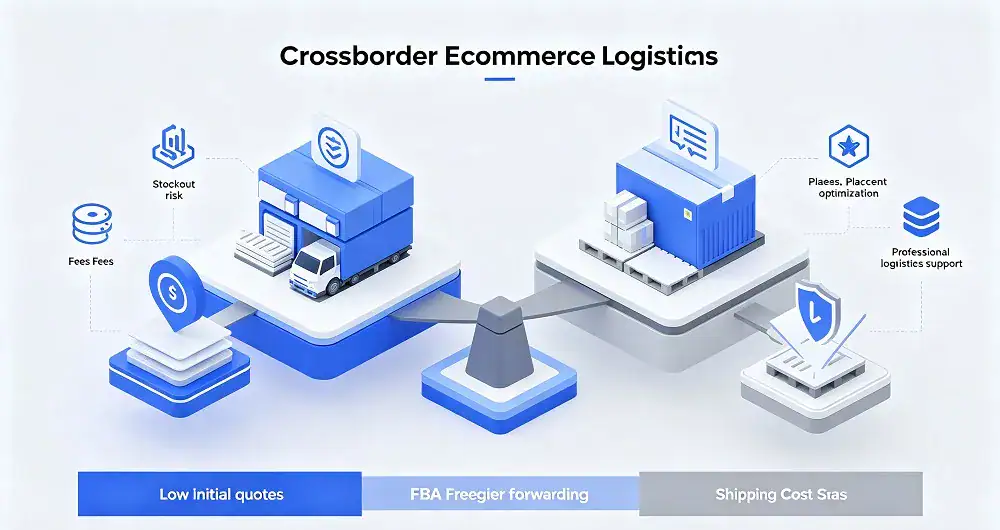
Price is certainly important, but it shouldn’t be the only factor. A forwarder with a slightly higher quote but professional service may save you more hidden costs — avoiding inbound defect fees, optimizing inbound placement, reducing the risk of stockouts.
When comparing quotes from different forwarders, ask them to provide an “all-in landed cost” estimate covering all foreseeable expense items. Then combine that with the other questions in this article to comprehensively evaluate which forwarder offers you the best value.
Choosing an FBA freight forwarder is a decision that deserves careful thought. Hopefully, with this question checklist, you can more effectively screen partners and find a professional forwarder who truly understands Amazon FBA rules and can help you avoid risks.
7. ABout AMZ Shipper
AMZ Shipper has several years of experience for international logistics Freight Forwarding service. Our service is for importer and exporter, foreign freight forwarders, local and abroad business. Export of 1500 of 40HQ per year for FBA Amazon shipping, 15-30 tons of air shipments per month.
Member of WCA. Our company is a professional Amazon freight forwarder that specializes in providing comprehensive and efficient services to customers.