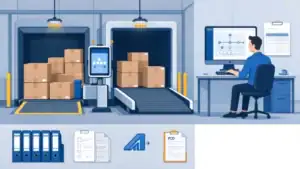
For the past two decades, international logistics ran on a simple formula: keep costs low and move goods fast. But things have changed. Port congestion, wild swings in freight rates, and major shipping routes facing disruptions have become the new normal. The game is no longer just about price or speed. It’s now about resilience, visibility, and the ability to adapt when things go sideways.
1. Three Big Forces Reshaping the Industry
The Rules Keep Changing
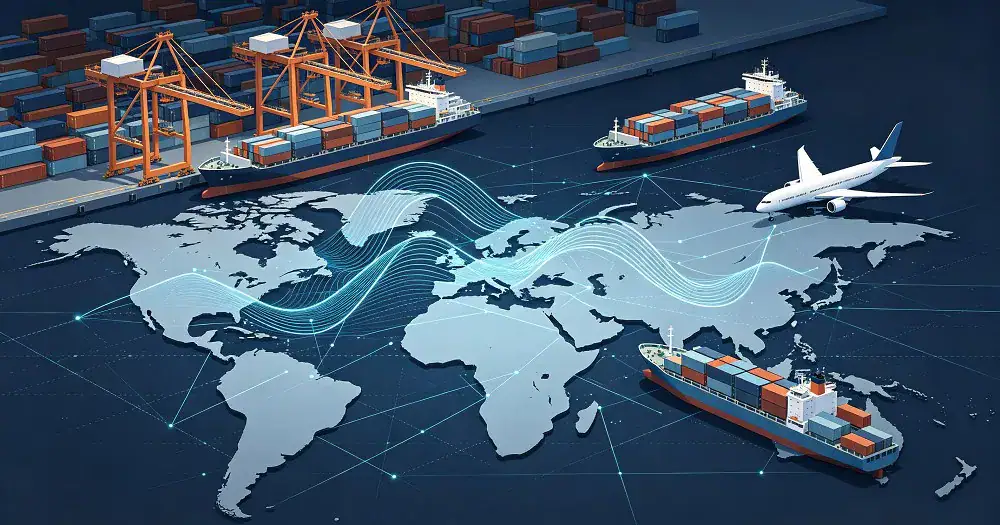
Customs regulations, environmental standards, and data compliance requirements are getting more complex and fragmented across major markets. Shipping capacity often falls out of sync with demand due to new vessel delivery schedules, port automation projects, and shifts in regional labor markets. When key routes get disrupted, vessels take detours that add days or even weeks to transit times. All of this pushes up compliance costs — not as a one-time expense, but as a permanent part of the logistics budget. Customs clearance becomes less predictable, and logistics providers need deeper expertise just to keep shipments moving.
Customers Expect More — and Different Things
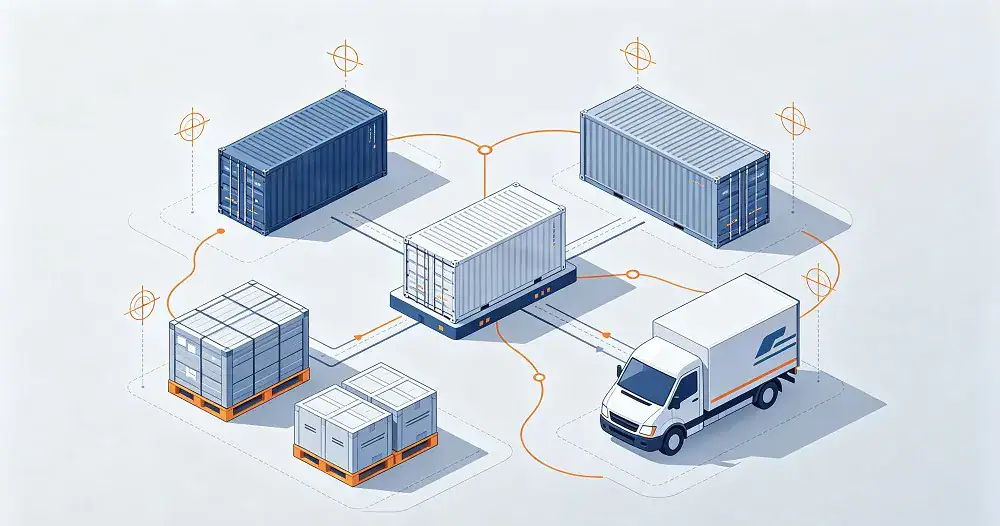
Shippers today want more than just delivery. They want precision. According to industry data, a significant number of shippers have switched transport modes — for example, moving cargo from air to ocean or rail — over the past year. That tells us flexibility is no longer a luxury; it’s a necessity. Different product categories have wildly different needs too. Temperature-controlled goods, oversized items, and high-value electronics each demand specific handling, storage conditions, and last-mile delivery standards. One-size-fits-all logistics simply doesn’t cut it anymore.

Capacity Keeps Getting Out of Sync
The shipping industry has always had boom-and-bust cycles, but lately those cycles have become more extreme. New ship deliveries take years to materialize, while demand can shift overnight. Ports struggle with labor shortages and automation transitions. The result? Freight costs swing unpredictably, turning shipping budgets into moving targets. At the same time, the industry has become more concentrated, with a handful of major players controlling a large slice of the market. That leaves smaller logistics providers fighting harder for every client.

2. What Shippers Are Struggling With Right Now
If you’re moving goods internationally, you’ve probably run into these headaches:
| What’s Hurting | How It Shows Up | The Real Cost |
|---|---|---|
| Balancing cost and speed | Fast shipping eats margins; cheap options get stuck in port delays or missed connections | Unreliable inventory planning, unhappy customers, and squeezed profits |
| Inventory and cash flow | Warehousing overseas ties up capital and risks dead stock; direct shipping leaves you exposed to rate spikes | More financial pressure and less room to maneuver |
| Data that doesn’t talk to each other | Multiple internal systems that don’t share information; AI projects that never get off the ground | Decisions still based on gut feelings, not real insights |
Bottom line: predictable, stable logistics performance isn’t a nice-to-have anymore — it’s what keeps your business running.
3. Four Strategies to Build a Stronger Supply Chain
The companies that are thriving right now aren’t just reacting — they’re building resilience into their operations. Here’s what that looks like in practice:
-
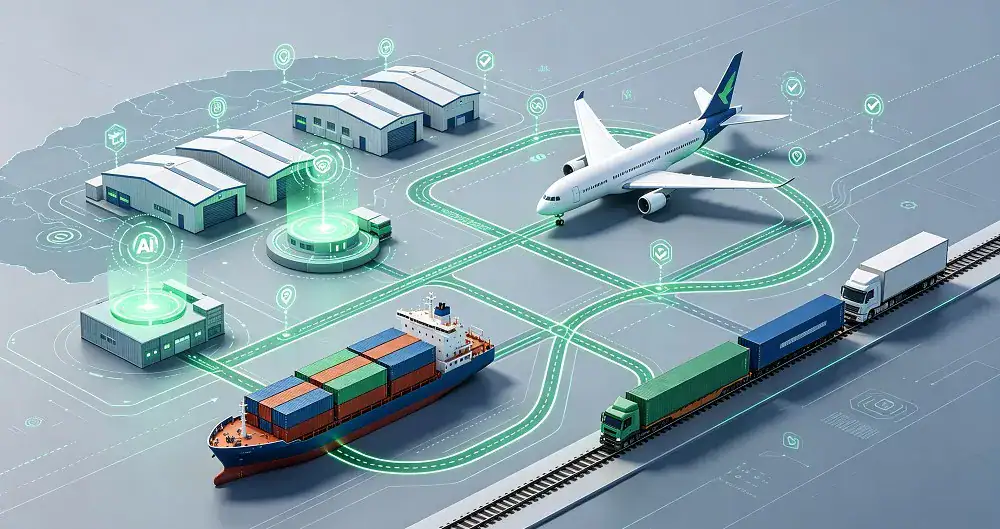
Mix up your transport modes. Don’t lock yourself into one option. Combine ocean freight, air freight, and intermodal solutions based on what you’re shipping and how urgently it needs to arrive. For new product tests, choose cost-effective routes. For bestsellers that need restocking fast, keep a premium lane ready. The most successful forwarders use this approach to maintain healthy margins even when markets go haywire.
-
Go digital — but do it right. Partner with logistics providers that offer end-to-end visibility. When done well, AI-powered ETA predictions can become reasonably accurate, helping you anticipate delays before they disrupt your plans. Real-time tracking and automated alerts turn uncertainty into something you can actually manage. That said, many companies still struggle to connect their systems, so look for partners who’ve already cracked that problem.
-
Get compliance right from the start. Don’t treat customs and regulations as an afterthought. Work with local experts at the destination who can handle product certifications, import declarations, and tax calculations upfront. This prevents costly holds and fines further down the line.
-
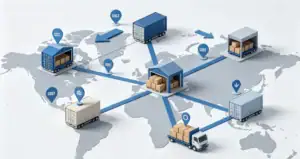
Think regional, not just global. Instead of relying on one long shipping lane, set up distribution points near your key markets. Warehousing inventory closer to your customers shortens delivery times and shields you from disruptions on the high seas. This segment of the logistics market — regional warehousing and fulfillment — is one of the fastest-growing areas right now.

4. Choosing the Right Logistics Partner
With so much uncertainty, you need more than a freight forwarder — you need a partner who understands your business and can navigate the complexities alongside you. As a specialist in international trade logistics, AMZ shipper knows what today’s environment demands.
-
Deep expertise, practical solutions. We bring years of experience on major trade routes and hubs. Our pricing is competitive, but more importantly, we design routes that balance cost and reliability. We’ve fine-tuned our services based on real client feedback — covering LCL shipping timelines, customer support responsiveness, and pricing clarity.
-
A network you can count on. We work with a handpicked group of reliable partners worldwide. Every handoff is handled with care. And with round‑the‑clock support, we’re always available to solve problems across time zones.
-
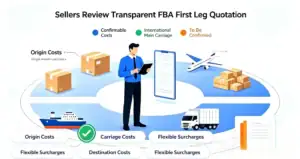
Transparency, no surprises. We believe every shipment is unique, and we treat it that way. Our quotes come with clear, written breakdowns, and we don’t tack on unexpected charges unless you change the scope of work. We know that “what you see is what you pay” is still far from standard in this industry — so we make it our standard.
5. Turning Volatility into Your Advantage
Intense competition in global logistics isn’t going away. But it’s not the end of the road either — it’s a chance to differentiate yourself. Businesses that shift their mindset from “cost first” to “resilience first” will build supply chains that competitors can’t easily copy. And that’s a lasting advantage.
ABout AMZ Shipper
AMZ Shipper has several years of experience for international logistics Freight Forwarding service. Our service is for importer and exporter, foreign freight forwarders, local and abroad business. Export of 1500 of 40HQ per year for FBA Amazon shipping, 15-30 tons of air shipments per month.
Member of WCA. Our company is a professional Amazon freight forwarder that specializes in providing comprehensive and efficient services to customers.