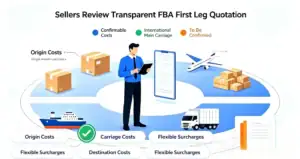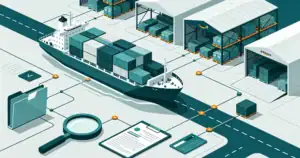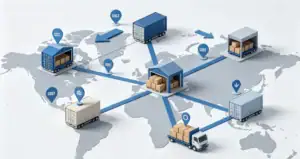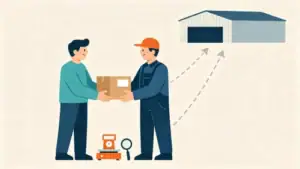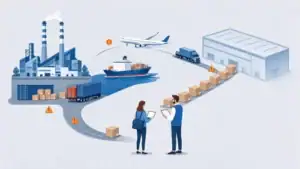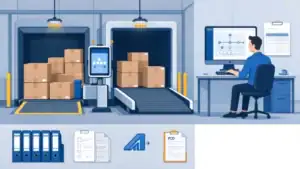
For new Amazon sellers, cross-border logistics can be a real headache. Many sellers assume that once a forwarder ships their goods to the U.S., they’ve already made it into an FBA warehouse—but that’s a huge misunderstanding. Yes, freight forwarders can absolutely deliver your products straight to Amazon FBA warehouses, but it’s far more than just “dropping off a package.” It’s a complex process that involves domestic pickup, export customs clearance, international shipping, destination country customs clearance, last-mile delivery, and warehouse appointment scheduling. Any slip-up in any link could delay your shipment, get it rejected, or even rack up extra charges you didn’t plan for.
The Core Steps of FBA First-Leg Logistics
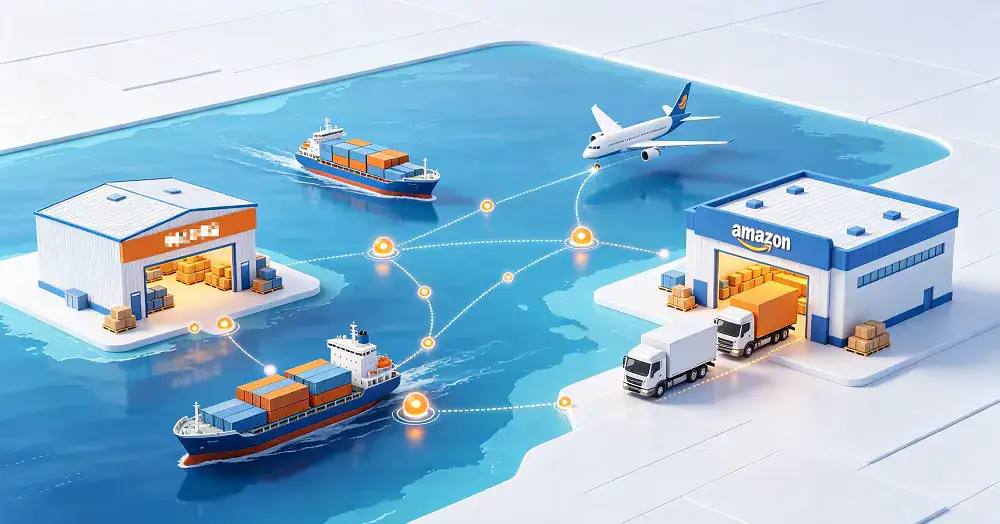
FBA first-leg logistics refers to the process of moving your products from your local warehouse to the Amazon fulfillment center in the destination country. It’s the starting point of the entire FBA service chain. The freight forwarders you work with handle this “first leg”—getting your goods from China to the designated FBA warehouse overseas. Along the way, forwarders need to take care of a few key tasks:
1. Pre-shipment Preparation and Compliance Checks
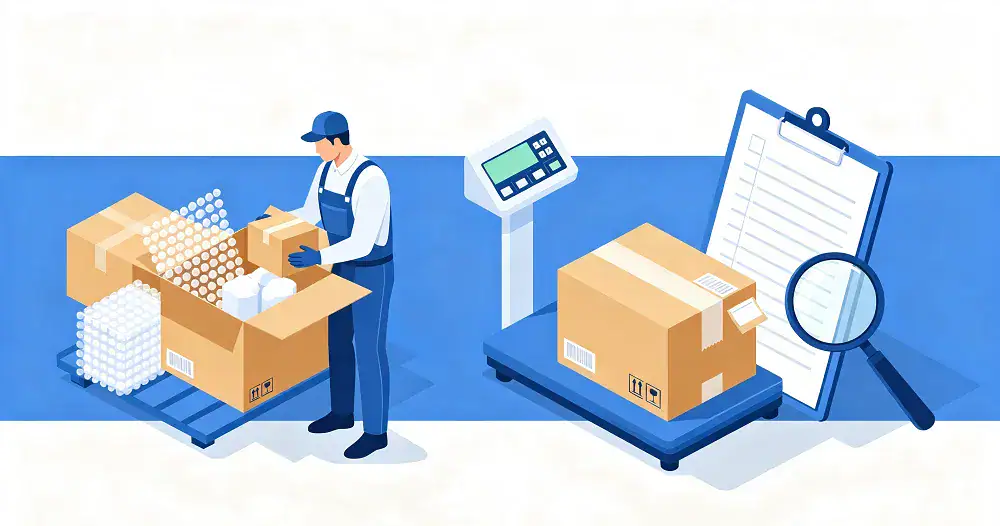
Before anything ships out, you need to double-check compliance and make sure all information is in order. Your items must be verified against Amazon’s FBA restricted product policies to ensure none are prohibited. Packaging and labeling also need to be done up to standard—use sturdy, undamaged cardboard boxes with no old labels left on them, add cushioning materials inside to prevent shifting, and for fragile items, wrap them individually with bubble wrap. Every carton must clearly display a “MADE IN CHINA” mark. Weight limits vary by region: for U.S. warehouses, single boxes must not exceed 22.5 kg (about 50 lbs)—anything heavier and you’ll need to slap “Team Lift” stickers on them.
2. Creating Your Shipment Plan and Labeling
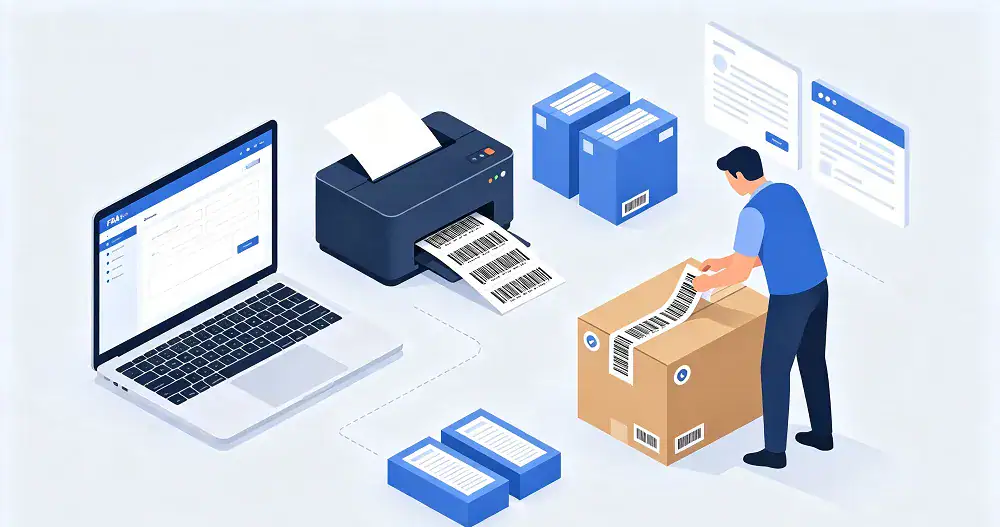
Sellers need to log into Amazon Seller Central, go to “Inventory,” select “Manage FBA Shipments,” click “Send to Amazon,” and follow the prompts to choose products and enter quantities. At this stage, you can decide between distributed or consolidated inventory placement based on your operational needs. The system will then generate the FNSKU product labels and box labels automatically.
Labeling is a make-or-break step for getting your goods accepted, so follow these rules closely:
-
Product labels (FNSKU) must be stuck onto each individual unit, covering any old barcodes, and must be clear, not wrinkled or torn
-
Box labels need two copies per carton, placed on opposite sides where they’re easy to scan
-
For best results, use a laser printer and self-adhesive label paper—they hold up much better during transit
3. Transport and Customs Clearance
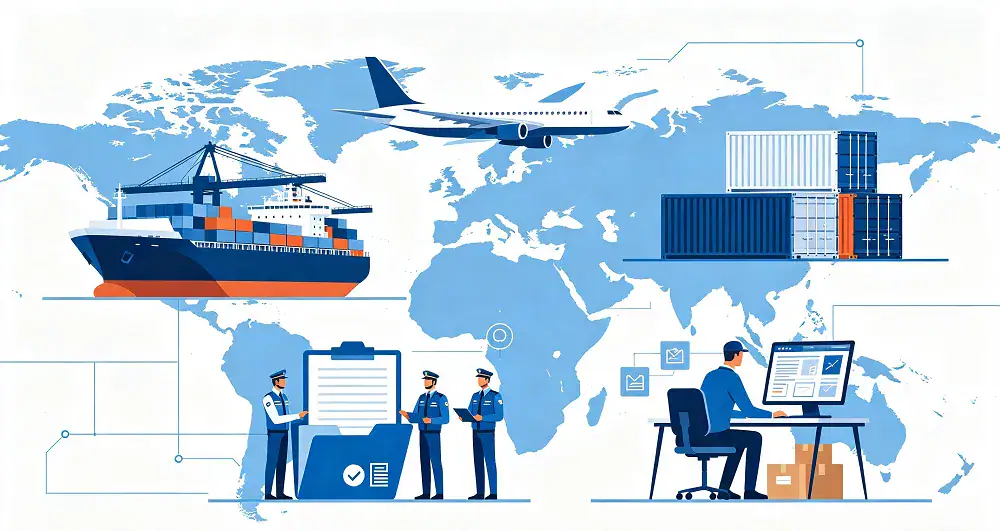
Once your goods are handed over to the carrier, the forwarder handles booking space, export declaration, international shipping, and destination port clearance. To get through customs smoothly, you’ll need to have all required documents ready ahead of time and make sure the information is accurate—no under-declaring or misrepresenting your cargo, as that raises red flags. Professional logistics providers offer customs clearance support to help sellers navigate this part.
4. Last-Mile Delivery into FBA Warehouses
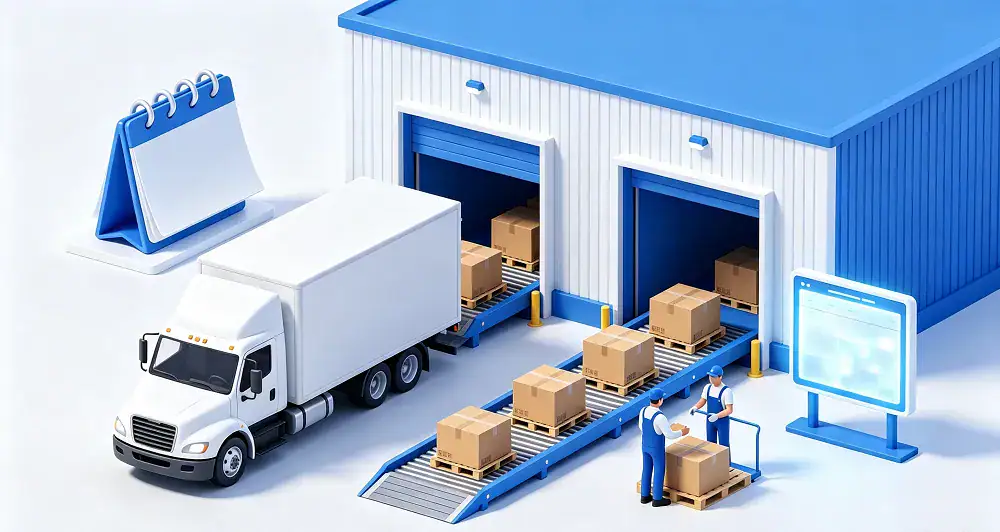
After your cargo clears customs and arrives at the destination port, the forwarder takes care of last-mile delivery and, crucially, books an appointment for FBA inbound. Amazon warehouses operate on a strict appointment-only system—forwarders must reserve a specific delivery time slot in Amazon’s system before the truck can even show up. Only after the appointment is confirmed can your goods be officially received at the fulfillment center.
Main FBA First-Leg Shipping Options Compared
Here’s a quick look at the most common transport modes forwarders offer for FBA shipments:
| Shipping Mode | Typical Transit Time | Cost Level | Best For |
|---|---|---|---|
| International Express (DHL/UPS/FedEx) | Fastest (3-7 days) | High | Emergency restocking, high-value small items, testing new products |
| Air Freight + Local Delivery | Relatively fast (5-12 days) | Moderate-high | Higher-value goods, fast-moving bestsellers, restocking |
| Sea Freight + Local Delivery | Slower (25-40 days) | Most affordable | Bulky items, long-term inventory planning, seasonal products |
| Multi-modal Transport | Varies by route | Varies by route | Inland destinations without direct air/seaport access |
Critical Details That Can Trip You Up
Appointment Scheduling Capability Makes or Breaks Speed
During peak seasons, appointment slots become incredibly scarce. Experienced forwarders have dedicated teams refreshing the system around the clock, and they can sometimes cut waiting times from two weeks down to just two days. If an appointment gets canceled last-minute, a reliable forwarder can quickly arrange temporary storage and rebook, saving you from expensive demurrage fees. One thing to ask upfront: does your forwarder handle appointments in-house, or do they subcontract to third-party trucking companies? The latter often leads to communication gaps and delays.
FBA Inbound Placement Service Fees
When creating your shipment plan, Amazon gives you a few placement options:
-
Single-destination shipping—send all your inventory to one fulfillment center (the simplest option), but you’ll be charged an inbound placement service fee
-
Amazon-optimized split shipping—send your inventory to multiple centers (usually five or more) on your own, and the fee is waived
-
Partial split shipping—send larger items across 2-3 locations to reduce the fee
Fee adjustments took effect January 15, 2026—standard-size items saw an average increase of about $0.05 per unit, and the large-size tiers were restructured as well. This fee gets billed 45 days after the shipment is received.
New FNSKU Barcode Rules for 2026
Amazon’s updated FBA regulations starting in 2026 require each product to carry its own unique FNSKU barcode—no more sharing barcodes across different items. While the application process for individual barcodes is more involved than before, it also means better standardization overall. Under the new rules, forwarders must submit FNSKU barcode samples to the warehouse for pre-screening before they can book an appointment. Only after the samples pass inspection will the warehouse officially accept the shipment.
How to Pick a Reliable FBA Freight Forwarder
Choosing an FBA forwarder isn’t about picking the cheapest rate—it’s about finding the right partner: trustworthy, easy to communicate with, and experienced. Here’s what to look for:
-
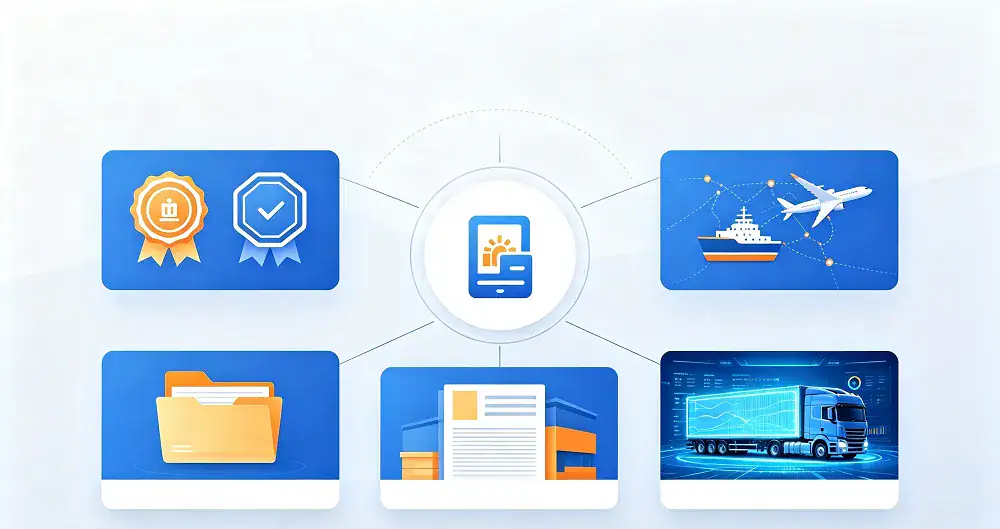
Credentials: Do they have NVOCC certification, AEO Advanced Certification, and official Amazon designations like SPN, SEND, or FIST?
-
Route and Space Resources: Do they have direct contracts with carriers? Can they secure space during peak seasons?
-
Customs Clearance Capability: Do they have their own customs brokerage team and local partner brokers in the destination country?
-
Last-Mile Network: Do they have their own overseas warehouses and truck fleets? Can they deliver to FBA centers within 48 hours?
-
Full Visibility: Do they offer real-time tracking, proactive alerts, and clear policies on how claims are handled?
A truly professional FBA forwarder does more than just move boxes from point A to point B. They help you navigate compliance, minimize risks, and keep the entire inbound process running smoothly—so you don’t end up with delayed listings or negative feedback because of logistics hiccups.
ABout AMZ Shipper
AMZ Shipper has several years of experience for international logistics Freight Forwarding service. Our service is for importer and exporter, foreign freight forwarders, local and abroad business. Export of 1500 of 40HQ per year for FBA Amazon shipping, 15-30tons of air shipments per month.
Member of WCA. Our company is a professional Amazon freight forwarder that specializes in providing comprehensive and efficient services to customers.