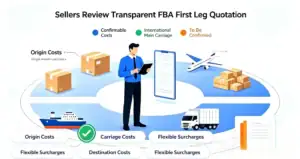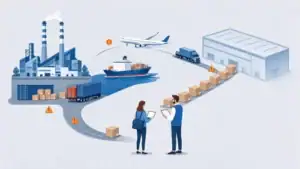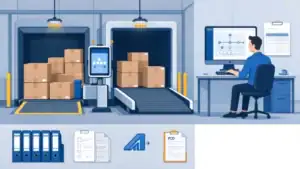
Germany is the largest economy in Europe, and its Amazon marketplace draws in millions of shoppers with real spending power. That’s why so many Chinese sellers see it as their top target when expanding into the EU. But let’s be honest—shipping from China to a German FBA center is a whole different game compared to selling in the US. The rules are tighter, the paperwork is heavier, and the margin for error is razor-thin. Getting your goods from a factory in China to an Amazon warehouse in Germany isn’t just about moving boxes; it’s about navigating a maze of tax rules, customs procedures, and packaging specifications that change faster than most sellers realize.
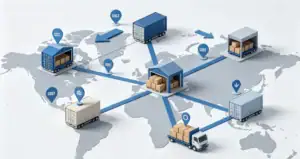
Many experienced sellers find it smarter to decouple the international freight leg from the EU distribution phase. By routing everything through a central European hub, you can absorb most of the complexity and catch compliance issues before they become costly problems.
This guide walks you through the four pillars of a solid Germany FBA logistics plan: choosing the right shipping method, getting your taxes and customs straight, meeting Amazon’s warehouse rules, and protecting yourself from common pitfalls.
Chapter 1: Picking Your Shipping Lane – Speed, Cost, and Reliability
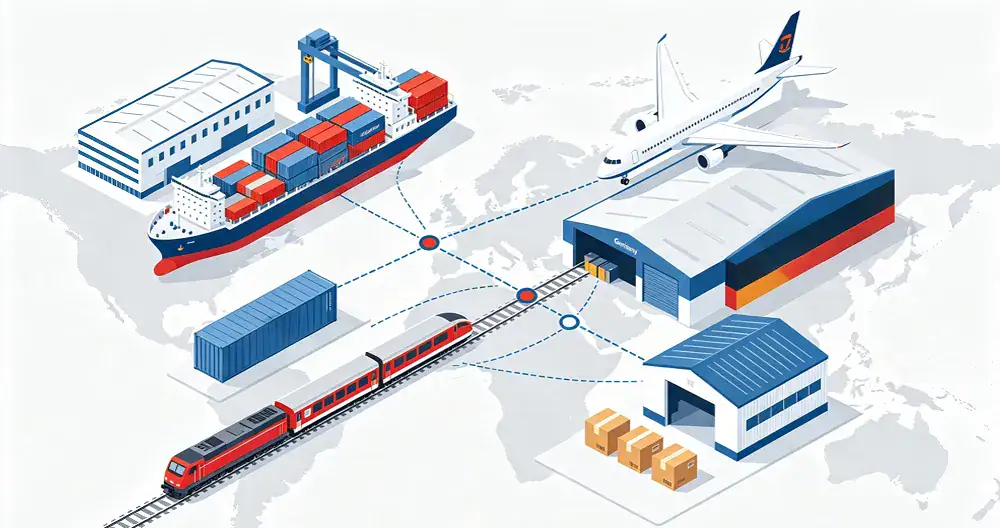
Choosing how to move your freight is the first big decision. There’s no one-size-fits-all answer here; it really comes down to what you’re selling, how fast you need it there, and how much buffer you have in your inventory.
| Shipping Mode | Typical Door-to-Door Time | Biggest Advantage | Main Catch | Best For |
|---|---|---|---|---|
| Air Freight (Charter/Consolidation) | 6–12 days | Lightning-fast; saves you from stockouts | Pricey; capacity gets tight during peak seasons | New product trials, urgent restocks, high-value items |
| Ocean Freight (Standard/Express) | 35–55 days | Most cost-effective; handles large volumes | Slowest; requires careful inventory planning | Regular bulk restocks, heavy goods, bulky items |
| Rail (China-Europe Express) | 25–38 days | A middle-ground option balancing cost and time | Weather and border policies can cause delays in winter | Mid-tier goods with steady sales |
| International Couriers (e.g., DHL Express) | 3–7 days | Smooth customs process; door-to-door simplicity | Expensive; not ideal for FBA since the receiver isn’t the importer | Samples, urgent small parcels, documents |
Keep in mind: these timeframes are industry averages. Port congestion (Hamburg is notorious for this), random customs inspections, and FBA warehouse appointment backlogs can throw a wrench into even the best-laid plans. Ocean freight gives you the best bang for your buck, but you’ll want to factor in extra buffer days for unloading and trucking.
Chapter 2: The Compliance Hurdles – VAT, Customs, and Product Certifications
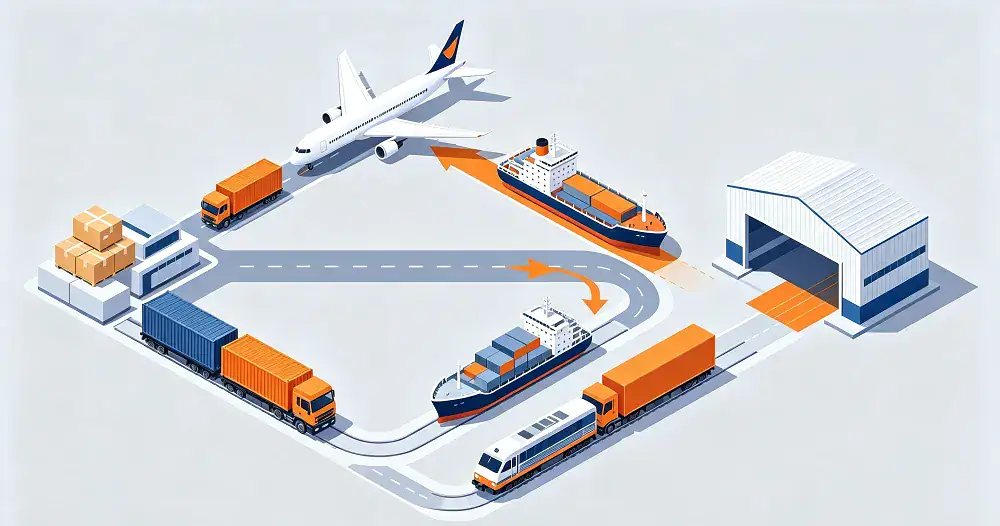
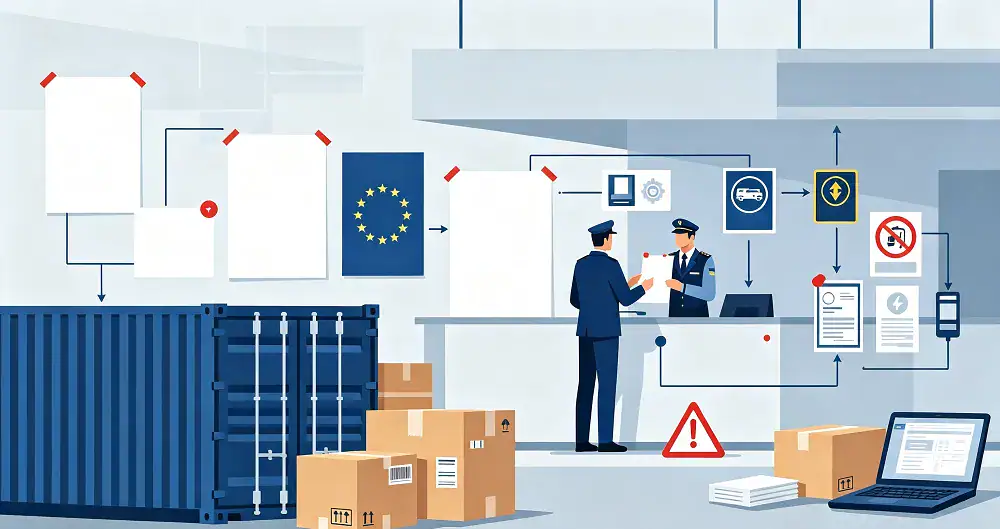
If there’s one thing German authorities take seriously, it’s compliance. Missing a single document or registration can mean your shipment sits in customs for weeks—or worse, gets rejected entirely. So before your cargo even leaves China, make sure all your paperwork is in order.
1. Getting Your Taxes Right: VAT and EORI
-
German VAT: If you’re selling in Germany, you need a German VAT registration once you pass the distance selling threshold. For non-EU companies, this typically means appointing a local tax representative who takes legal responsibility for your filings. Here’s a critical piece of advice: start the VAT registration process before you ship your first container. It can take weeks, and you can’t clear customs without it.
-
EORI Number: This is your customs ID for all EU borders. Since Germany doesn’t issue EORIs to non-EU entities directly, most Chinese sellers apply for an Irish EORI instead, which works seamlessly across all EU member states.
2. Understanding Your Import Options
-
DDP: With DDP, you—or your fiscal representative—handle all import duties and VAT payments before the goods arrive. For most sellers using a hub model, this is the cleaner, more predictable route.
-
DAP/DDU: Under this arrangement, the import obligation shifts to the buyer or carrier at the border. It’s generally not recommended because it blurs responsibility lines and can lead to surprise bills.
3. Product and Environmental Regulations
-
CE Marking: Most electronics, machinery, toys, and medical devices require CE certification to be sold in the EU. No CE mark, no entry.
-
Extended Producer Responsibility: German law requires you to register for the Packaging Act (VerpackG) before you ship anything. For electronics, you’ll also need WEEE registration for recycling. And if your products contain batteries? Yes, you’ll need to comply with the Battery Act too.
-
EU Responsible Person: Under the new General Product Safety Regulation, non-EU sellers must appoint an authorized representative based in the EU to serve as a point of contact for product compliance matters.
Chapter 3: The Make-or-Break Phase – FBA Warehouse Requirements
Getting your goods across the ocean is one thing. Getting them into an Amazon warehouse is another. Amazon’s specifications for labeling, packaging, and palletizing are notoriously rigid. If you don’t follow them to the letter, your shipment could be refused at the receiving dock.
1. Labeling Your Products and Boxes
-
FNSKU Labels: Every sellable unit needs an FNSKU label that matches the ASIN in Seller Central. Make sure it’s scannable and not covered by tape. Many sellers make the mistake of leaving the manufacturer barcode visible, which confuses the receiving system.
-
“Made in China” Mark: This isn’t optional. Every single product and every outer carton must clearly display “MADE IN CHINA.” Customs officers and Amazon staff check for this.
-
Box Labels: Each carton needs the Shipment ID label generated from your FBA plan. Put at least two copies on each box—one on the top, and one on a side. This way, if one gets smudged or torn, you still have a backup that can be scanned.
2. Box and Pallet Specifications
-
Weight Limits: Each carton must weigh no more than 23kg. If a box exceeds 15kg, you have to slap a “Teamlift” warning label on both the top and the side. Skip this, and Amazon will flag your shipment.
-
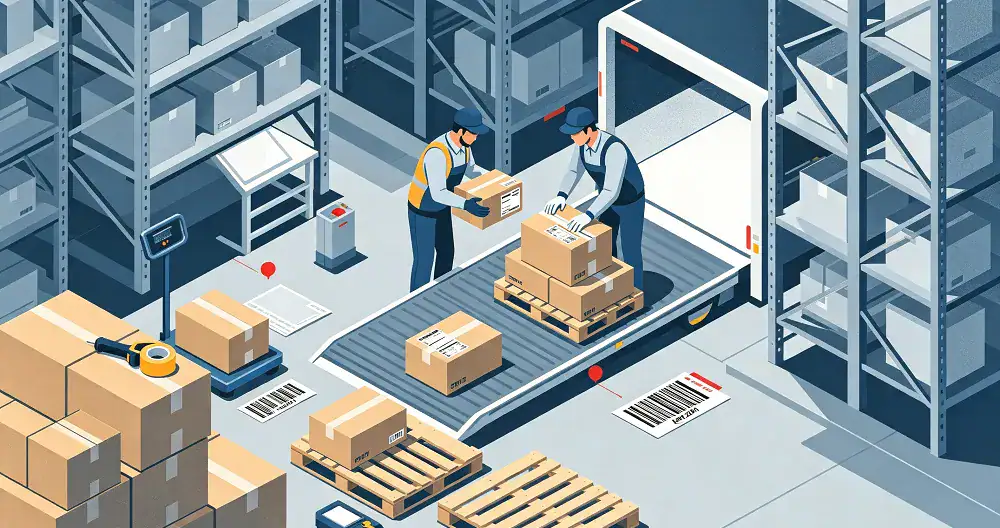
Pallet Requirements: For truck deliveries, palletization is usually mandatory. German FBA centers require EUR pallets (1200mm x 800mm). The total height (pallet + goods) should stay under 1.5m (some warehouses allow 1.8m), and the gross weight can’t exceed 500kg.
-
Pallet Labels: Place pallet labels on all four sides so staff can scan them from any angle. Also, make sure no part of your cargo overhangs the pallet edges—Amazon is strict about this.
3. The Smart Move: Using a Third-Party Transit Hub
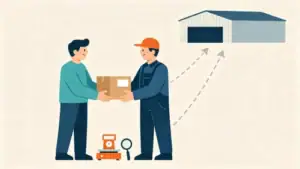
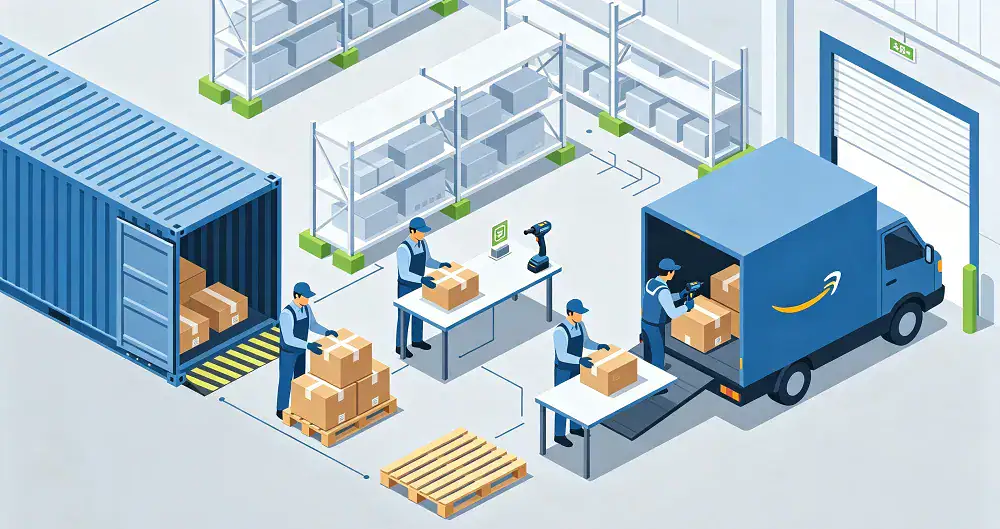
Here’s a tip from sellers who’ve been burned before: send your inventory to a third-party warehouse in Germany or Belgium first, not directly to Amazon. At a transit hub, you can:
-
Double-check and re-label FNSKU and carton labels.
-
Replace any damaged packaging.
-
Re-palletize everything to Amazon’s exact specs.
-
Schedule delivery appointments with FBA centers on your own timeline.
This “buffer” step gives you a safety net. It catches errors before they reach Amazon’s door, saving you from rejection, return shipping costs, and painfully long restocking delays.
Chapter 4: Managing Risks and Building a Resilient Supply Chain
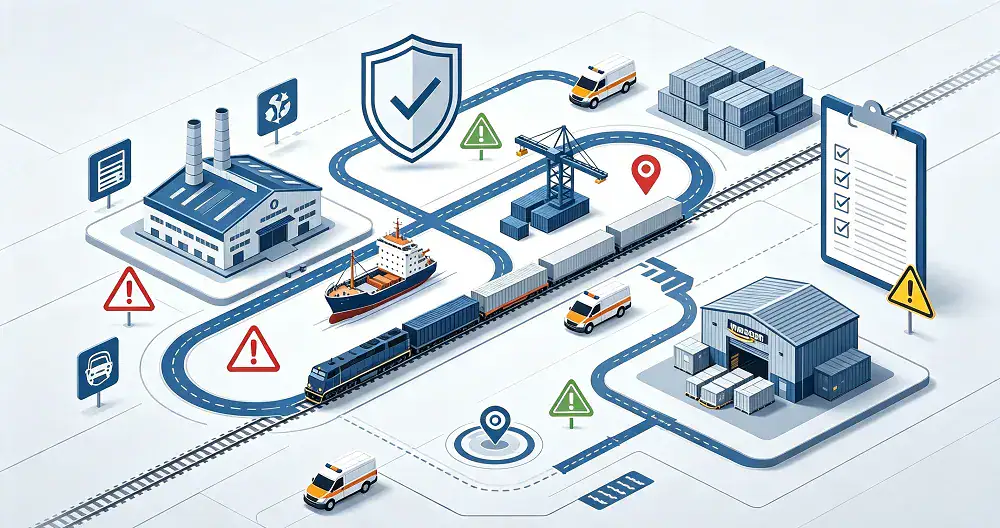
Between customs, taxes, and warehouse logistics, plenty can go wrong. The key is to anticipate the most common failure points and have a plan ready.
1. Real-World Failure Scenarios (And How to Avoid Them)
-
Customs Holds: Wrong HS codes, vague commercial invoices, or a missing EORI number can land your shipment in customs limbo. Demurrage and storage fees rack up fast—sometimes eating up your profit margin entirely.
-
Tax Audits: Inconsistent VAT declarations can trigger a full audit of your past imports. I’ve seen sellers lose their German selling privileges for a month just because of filing errors, which is devastating during Q4.
-
Rejected Deliveries: A box over 15kg without the Teamlift tag, a thermal label that turned illegible in transit, or a non-compliant pallet—these seem like small things, but Amazon will turn your truck away. And that often means a stockout just as your sales spike.
2. A Simple Playbook for Emergencies
-
Pre-Shipment Document Check: Before your cargo leaves the factory, upload all compliance documents (CE certificates, test reports, WEEE registrations) and clear commercial invoices to a shared cloud folder. Make sure your customs broker can access them instantly.
-
Clear Role Division: Sit down with your team and your logistics partners and spell out who handles what. Your seller team handles VAT compliance, your customs broker talks to customs, your freight forwarder manages shipping and transit—everyone needs to know exactly where their responsibility begins and ends.
-
Choose Partners Wisely: When evaluating logistics providers, look beyond the price tag. Ask them: How deep is your customs expertise? Are you familiar with the latest FBA rule changes? How quickly do you respond when something goes sideways? A slightly higher rate is worth it if it buys you peace of mind.
ABout AMZ Shipper
AMZ Shipper has several years of experience for international logistics Freight Forwarding service. Our service is for importer and exporter, foreign freight forwarders, local and abroad business. Export of 1500 of 40HQ per year for FBA Amazon shipping, 15-30tons of air shipments per month.
Member of WCA. Our company is a professional Amazon freight forwarder that specializes in providing comprehensive and efficient services to customers.