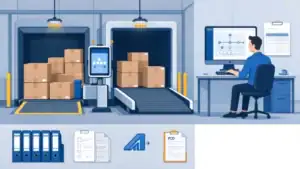
Key Takeaway: The 2026 peak season comes with tighter Amazon fulfillment requirements than ever before—from stricter handling time rules to earlier inventory cutoffs. “Saying you can do it” is no longer enough; you actually have to deliver. Drawing on Amazon’s official peak season playbook and the latest policy updates, this guide walks you through the practical steps to avoid stock delays, from planning your shipment to getting your goods checked in at fulfillment centers.
1. Why Is “Inventory Delay” Such a Big Deal This Peak Season?
A lot of sellers tend to blame their freight forwarder when inventory runs late. But this year, the challenges go far beyond the logistics side. Amazon is systematically reducing sellers’ “buffer room” through policy changes, effectively shifting more fulfillment pressure onto the front end of the supply chain.

Earlier Inventory Cutoffs – Miss Them and You’re Out
According to Amazon’s Q4 2025 Peak Season Readiness Playbook, the FBA inventory cutoff dates for Black Friday and Cyber Monday have moved up significantly:
| Event | AWD Shipments | Single-Point Entry | Optimized Split Shipments |
|---|---|---|---|
| Prime Exclusive Deals | September 2 | September 9 | September 16 |
| Black Friday / Cyber Monday | October 14 | October 21 | October 28 |
What this means for you: If you’re planning to run deals during Black Friday, your inventory must physically arrive at an Amazon fulfillment center by October 28 at the latest. For sellers shipping from China, factoring in 25–35 days of ocean transit time, you need to get your cargo moving by mid-to-late September at the latest.
Once November and December roll around, fulfillment center staff shift their focus from “receiving inventory” to “processing customer orders,” and inbound delivery slots become much harder to secure.
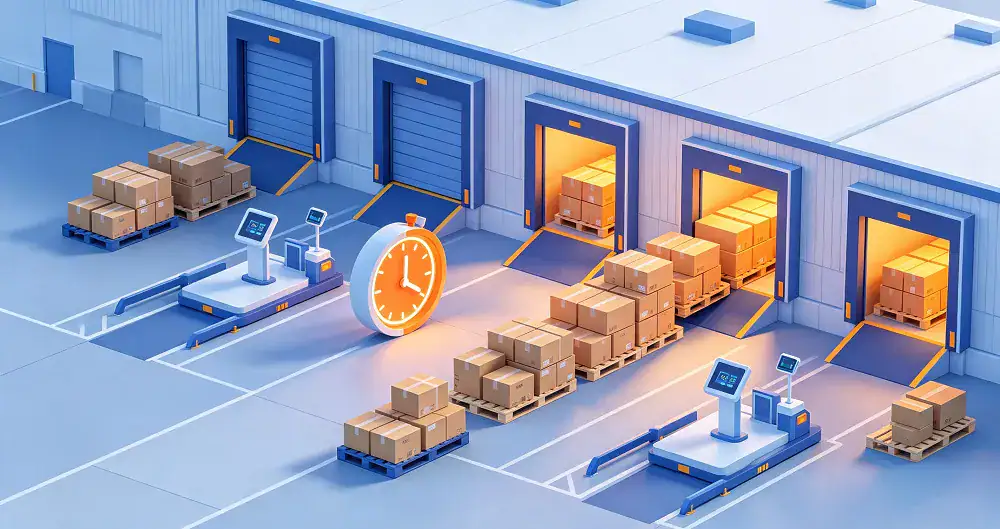
New Handling Time Rules for FBM Sellers – “Faking It” No Longer Works
Starting June 29, 2026, Amazon requires that the handling time you set for each self-fulfilled SKU actually matches your real shipping speed. The new two-way enforcement leaves sellers with no room to game the system:
-
If you inflate handling time (setting it more than 1 day longer than your actual processing time, and keeping it that way for over 30 days) → Amazon will automatically take over that SKU’s handling time setting and force-enable Automated Handling Time (AHT). You lose the ability to adjust it yourself.
-
If you understate handling time (promising faster shipping than you can actually deliver) → your Late Shipment Rate (LSR) will spike, triggering a chain of penalties ranging from warnings to selling restrictions, all the way up to permanent account deactivation.
On top of that, Seller Fulfilled Prime speed requirements got tougher on July 6: for standard-size items, 40% of your Prime product detail page views now need to show a one-day delivery promise, up from 30% before.
FBA Peak Season Fulfillment Fees Are Going Up
From October 15, 2026, through January 14, 2027, FBA holiday peak fulfillment fees will apply. In the UK, parcel shipments go up by £0.12 per unit on average; in Germany, small parcels and standard parcels increase by €0.27 per unit on average. On Amazon US, the minimum fulfillment fee for non-apparel items rises from $2.43 to $2.62, and for apparel from $2.62 to $2.85. A 1.5% fuel and logistics surcharge will also be tacked on top of the peak fees, meaning you’re looking at a double hit on per-unit logistics costs.
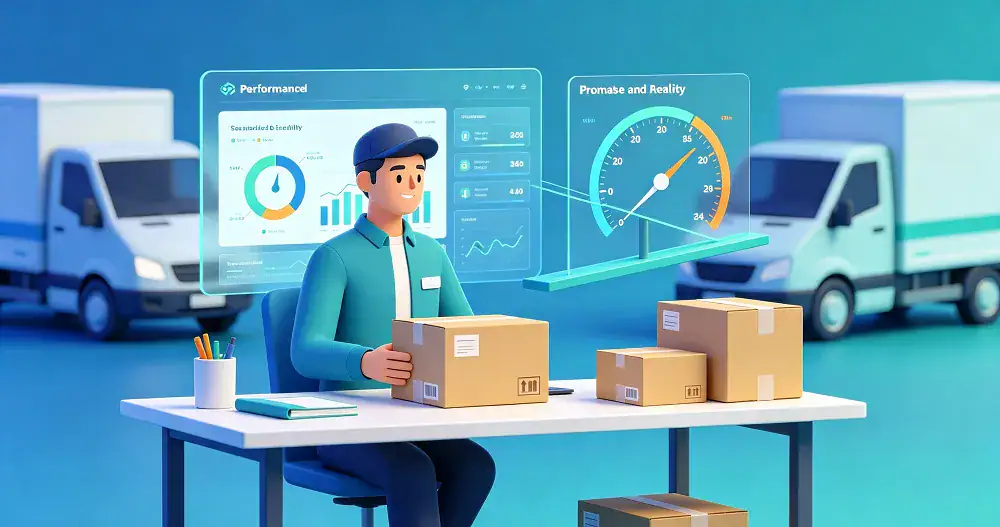
2. The 5 Most Common Inventory Delay Traps Sellers Fall Into
Based on industry experience, here are the five traps that trip up sellers most often during peak season:
Trap 1: Underestimating How Long Things Take on the China Side
Many sellers only count the days the cargo spends “at sea,” completely ignoring everything that happens before departure: factory production, quality inspection, palletizing, container loading, and export customs clearance. During peak season, trucking resources get tight and customs brokers have long queues. It can easily take 5–10 days from the moment the factory says “your goods are ready” to the moment the container actually leaves the port.
Trap 2: Picking the Wrong Carrier and Losing Priority Processing
Amazon explicitly recommends that sellers use Amazon’s Partnered Carrier program or qualified ShipTrack carriers during peak season, so the platform can directly coordinate with the carrier on shipment routing. But many sellers don’t realize that choosing a specialized service provider like AMZ Shipper, which is deeply integrated with logistics systems, gives you far more operational flexibility and faster response times than just using a ShipTrack carrier. AMZ Shipper’s dedicated account managers can communicate directly with Amazon’s backend teams when issues come up, preventing delays caused by automated system handling.
Trap 3: Inaccurate Shipment Info That Triggers Manual Processing
During peak season, fulfillment centers get much stricter about shipment accuracy. Missing box content details, mismatched labels and tracking numbers, or outdated delivery date estimates will all get your shipment flagged as “problematic” and pushed into manual review—and that can add days or even weeks to your processing time. When you create a shipment, you must submit box-level content details through Seller Central or the API; otherwise, your shipment loses automatic receiving eligibility and incurs manual processing fees.
Trap 4: Forgetting to Build in a “Buffer” for Promotional Inventory
A lot of sellers pack their promotional inventory right alongside their regular stock in the same container or on the same pallet. When the shipment arrives at the fulfillment center, staff have to pick out the promotional items from the regular ones—and during peak season, that sorting process can take several days. The smart move is to pack promotional inventory separately, on its own pallets, physically separated from your regular stock.
Trap 5: Underestimating AWD Satellite Warehouse Lead Times
AWD storage costs about 80% less per month than FBA storage, doesn’t increase during peak season, and isn’t subject to FBA capacity limits. But AWD shipments have their own cutoff dates. For Black Friday, for example, AWD shipments need to arrive by October 14—a full week earlier than single-point entry. If you cut it too close on your AWD restock, you could easily miss the window.

3. Key Peak Season Dates at a Glance
Here’s the core timeline based on the Q4 2025 Peak Season Readiness Playbook:
| Date | Milestone |
|---|---|
| September 2 | AWD cutoff for Prime Exclusive Deals |
| September 9 | Single-point entry cutoff for Prime Exclusive Deals |
| September 16 | Optimized split shipment cutoff for Prime Exclusive Deals |
| October 14 | AWD cutoff for Black Friday / Cyber Monday |
| October 15 | Peak fulfillment fees take effect (through January 14, 2027) |
| October 21 | Single-point entry cutoff for Black Friday / Cyber Monday |
| October 28 | Optimized split shipment cutoff for Black Friday / Cyber Monday |
Self-fulfilled sellers should also keep these extra dates in mind:
| Date | Milestone |
|---|---|
| From June 29 | Handling time must match actual shipping speed |
| From July 6 | SFP speed requirements tightened |
| From September 1 | Inflated handling time triggers automatic AHT takeover |
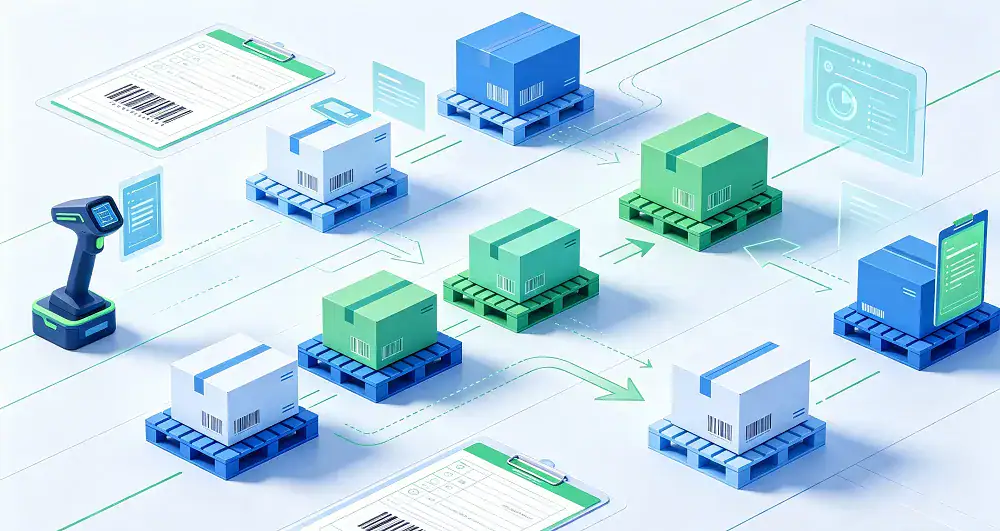
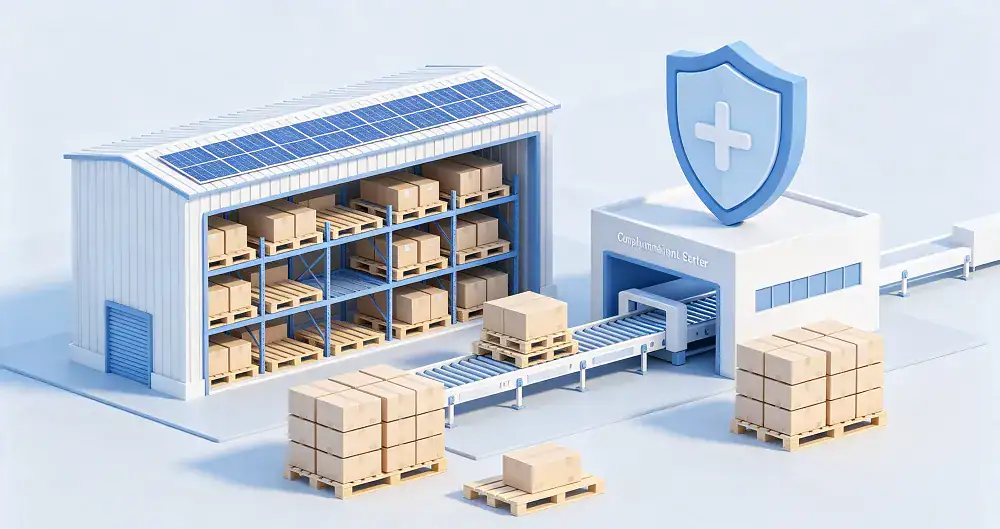
Warehouse team verifying shipment accuracy, labels, box contents, and delivery details.
4. Practical Tips to Avoid Inventory Delays This Peak Season
Work Backward from the Cutoff Date and Build in Plenty of Buffer
We recommend using a “reverse timeline” approach to plan your peak season shipments. Take the Black Friday cutoff of October 28 as an example: with about 25–30 days of ocean transit, plus 5–10 days for China-side operations, you need to have your booking and customs documents ready by around September 20 at the latest. For fast-moving bestsellers that need tighter timelines, air freight can compress the China-to-US fulfillment center timeline to about 7–10 days, though it costs more. A practical hybrid strategy is to send your top sellers by air and your regular SKUs by sea.
Go with AMZ Shipper for Your Logistics Needs
Choosing a specialized service provider like AMZ Shipper gives you more than just the “ShipTrack carrier” badge—you get a full suite of protections:
-
System integration: AMZ Shipper is deeply integrated with major ERPs and Amazon’s backend, automatically syncing tracking info so you don’t have to manually enter delivery estimates. Shipment status updates happen in real time.
-
Problem-solving muscle: When customs inspections or warehouse congestion hit, AMZ Shipper’s dedicated account managers step in immediately, coordinating with US customs brokers and trucking companies to activate backup plans—like rerouting your cargo to a less congested warehouse. One seller, for example, managed to move their delivery appointment forward by several weeks after AMZ Shipper intervened on a shipment headed to an overloaded fulfillment center.
-
End-to-end visibility: Every step—from pickup at your China warehouse to final delivery at the US fulfillment center—is tracked by a dedicated team member who provides real-time updates and responds to inquiries within 4 hours.
To put it plainly: using a ShipTrack carrier on its own gives you basic automated data sync within Amazon’s system, but it won’t give you human backup when things go wrong. AMZ Shipper offers a complete, one-stop service that gives you visibility and certainty at every stage of peak season.
Double-Check Your Shipment Info to Avoid Manual Processing Fees
When you create a shipment, take the time to carefully verify everything: the quantity of items in each box, the total number of boxes, the overall weight—all of it. Use Send to Amazon and fill in every detail accurately. If you’re using a non-Amazon SEND logistics provider, you’ll need to enter a precise delivery date range in the tracking section and update it promptly if transit delays come up.
Use AWD to Build a Peak Season Safety Stock Buffer
AWD storage costs roughly one-fifth of FBA storage fees per month, doesn’t go up during peak season, and isn’t limited by FBA capacity caps. You can send larger batches to AWD to create a safety stock buffer for peak season, and AWD will automatically restock your FBA inventory without charging inbound placement fees. Just make sure you give your AWD shipments an earlier arrival window than you think they need.
For Self-Fulfilled Sellers: Turn On AHT Early to Get Protection
Given the new handling time rules, we recommend that self-fulfilled sellers go into Seller Central and enable Automated Handling Time (AHT). AHT automatically sets handling times for each SKU based on your recent shipping history and gives you late shipment rate protection. If you sell customized, handmade, or heavy/bulky items, you can apply for an exemption.
5. Frequently Asked Questions
Q1: If I miss the FBA inventory cutoff, can I still run Black Friday deals?
No. Inventory that arrives after the cutoff won’t qualify for Prime badges or promotional events like Lightning Deals. A small number of units might still get checked in, but they’ll be given the lowest processing priority and could sit for weeks. Your best bet is to reroute any missed inventory to AWD so it’s ready for future restocks.
Q2: What is AHT, and do FBM sellers have to turn it on?
AHT (Automated Handling Time) is Amazon’s system for automatically setting handling times per SKU based on your recent shipping performance. Starting September 1, 2026, if you’ve been inflating handling time on a SKU (setting it more than 1 day longer than your actual processing time for over 30 days), Amazon will take over that SKU and force-enable AHT. We recommend turning on AHT proactively so you get late shipment rate protection.
Q3: Should I go with sea or air freight during peak season?
It depends on your inventory turnover and margins. For bestsellers with steady demand and healthy margins, air freight is worth the cost to avoid stockouts. For regular SKUs and bulky, low-price items, sea freight is still the most cost-effective choice. The real key is planning ahead—sea freight’s slower speed isn’t the problem; failing to calculate the timing correctly is. It’s also smart to split your shipments into two batches—one in late September and one in mid-October—because orders shipped after October 15 will be charged peak-season rates.
Q4: What’s the difference between AMZ Shipper and a ShipTrack carrier?
ShipTrack is a designation Amazon gives to carriers that meet certain data-sync requirements. But AMZ Shipper provides a complete end-to-end logistics service—everything from China warehouse operations and export customs clearance to international shipping, US customs brokerage, and final-mile delivery—plus dedicated account managers who can step in and coordinate when things go sideways. Choosing AMZ Shipper is like having a full command center for your peak season logistics.
Q5: When do peak fulfillment fees start, and which items are exempt?
The peak fee period runs from October 15, 2026, through January 14, 2027. On Amazon UK, parcels go up by £0.12 per unit on average; on Amazon Germany, small and standard parcels increase by €0.27 per unit on average. Large items, low-price FBA items, and orders going to buyers in other EU countries are exempt from these peak fees.
About AMZ Shipper
AMZ Shipper is a cross-border logistics provider headquartered in Shenzhen, specializing in international freight forwarding, FBA preparation, and less-than-truckload (LTL) services for Amazon sellers and businesses of all sizes. We operate warehouses in Shenzhen, Yiwu, and Guangzhou, and our WCA global network gives us reliable coverage across the US and European markets. Our focus is on transparent pricing, dedicated account managers, and end-to-end visibility—making cross-border logistics straightforward and predictable.