Mexico is becoming a hot market for more and more Chinese cross‑border sellers. In the first quarter of 2026, the sales of newly launched Chinese sellers on Amazon Mexico were more than double the same period last year. But when many sellers actually try to ship there, they quickly realise that Mexico is far more complicated than the US – especially when it comes to logistics and customs clearance.
This guide breaks down the key things you need to know about Mexico FBA shipping from China – transport options, the 2026 customs reform, compliance requirements, and practical tips – so you can avoid the common pitfalls.
Why Is Mexico FBA Shipping Growing So Fast?
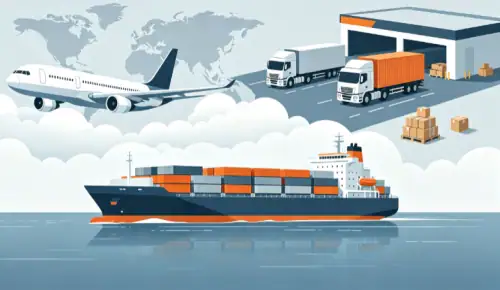
Latin America’s ecommerce market is expanding rapidly, and Mexico is the second‑largest ecommerce market in the region. It is also one of the most important target markets for Chinese cross‑border sellers. Amazon has launched its “Latin America Express” programme, offering targeted slots for quality Chinese brands. More and more Amazon sellers are looking into Mexico FBA shipping, but many still lack a clear understanding of Mexico’s logistics and compliance rules.
Mexico FBA shipping from China is actually more complex than shipping to the US or Europe. Shipments often contain a mix of product types – electronics, plastic parts, motors, lighting, textiles, etc. – and each category may involve different HS codes, labelling requirements, safety standards, and importer responsibilities. Also, Amazon Mexico has its own set of import documentation rules, importer settings, valuation methods, and last‑mile delivery rules, so you cannot simply copy your US FBA process.
What Are the Transport Options for Mexico FBA Shipping?
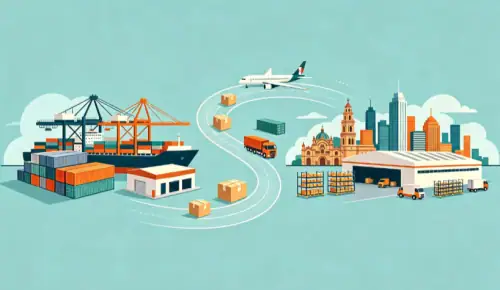
There are three main shipping methods from China to Mexico for Mexico FBA shipping. Which one you choose depends on your volume and how fast you need the goods:
| Transport Mode | Best For | Approximate Transit Time |
|---|---|---|
| Ocean freight (FCL/LCL) | Large, planned restocking | 25‑35 days (to port) |
| Air freight | Urgent restocking, high‑value goods | 8‑15 days (to warehouse) |
| US transshipment (air) | Flexible restocking, small to medium volumes | 5‑8 days |
Ocean freight is the most common choice for Mexico FBA shipping. From major Chinese ports like Shanghai and Ningbo to Mexican ports like Manzanillo or Lázaro Cárdenas, fast vessels typically take 25‑35 days, while slower ones may take 40‑50 days. In July 2026, a new route from Tianjin to Mexico was launched, cutting transit time by 8‑12 days – currently one of the fastest ocean options from North China to Mexico. Ocean freight works best for large, non‑urgent, planned replenishment – it is the most economical option for Mexico FBA shipping.
Air freight usually arrives at Mexico City International Airport (AICM) or Felipe Ángeles International Airport (AIFA). Air express services typically take 8‑15 days from China to an FBA warehouse in Mexico. This suits seasonal products, new product launches, or emergency restocking.
US transshipment is a newer option. Cainiao has launched a US‑Mexico cross‑border express line covering 99% of Mexico, with delivery as fast as 8 days. This model works well for flexible restocking and small‑to‑medium shipments.
The 2026 Mexico Customs Reform – The Biggest Variable for Mexico FBA Shipping

In 2026, Mexico introduced its most comprehensive customs reform in over a decade. The reform took effect on January 1, 2026, and has had a major impact on Mexico FBA shipping.
Mandatory digital clearance – importers must now submit customs documents electronically (invoices, packing lists, bills of lading, certificates of origin, etc.) and upload supporting evidence such as contracts, value proof, payment records, freight costs, and insurance premiums. This is called the “Manifestación de Valor” (Value Declaration).
Greater responsibility for customs brokers – licensed brokers now share joint liability with importers for any errors in declarations, and their licenses must be renewed every two years through a certification exam.
Electronic filing deadlines – for air freight, declarations must be filed before the cargo arrives; for sea freight, within a set period after arrival – all through the new SAT (Mexico’s tax authority) portal.
Higher non‑preferential import duties – the reform introduced increased tariff rates for non‑preferential imports.
Impact on ecommerce sellers – the compliance bar for Mexico FBA shipping has risen sharply, and “grey clearance” channels are now much riskier. Sellers relying on unofficial routes face significant financial and cargo security risks.
Mexico FBA Shipping Compliance Essentials: RFC, Pedimento, and NOM

RFC Tax ID Is a Hard Requirement
Mexican customs requires every importer to have a valid RFC tax ID (Registro Federal de Contribuyentes) and to pay import duties (IGI) and VAT (IVA) correctly. Amazon Mexico makes it clear that shipments to FBA must be based on a Mexican Importer of Record (RFC ID). Amazon has also launched a 2026 subsidy programme to help sellers register an RFC tax ID, with individual sellers eligible for support. For any Amazon seller planning to stay in the Mexican market long term, getting an RFC is the essential first step.
The Pedimento (Import Declaration) Is Critical
Each shipment must have its own independent, traceable Pedimento – an electronic document filed through the VUCEM system, containing the importer’s RFC, HS codes, cargo value, and tax details.
Under a “DDP‑and‑clearance‑included” model, the importer shown on the Pedimento is often a local trading company or customs broker used by the forwarder – not your own company. That means you cannot claim the 16% VAT back, and if you face a tax audit, you cannot prove that your goods were legally imported.
For Amazon sellers who want to operate compliantly in the long run, it is strongly recommended to clear customs using your own or a designated Mexican RFC – so every shipment comes with a Pedimento in your own company’s name.
NOM Certification
Mexico has mandatory standards called Normas Oficiales Mexicanas (NOM) for certain products. High‑risk categories include electronics, lighting, toys, tyres, medical devices, cosmetics, and more. If your product falls into a NOM‑mandated category but you do not have the certification, customs may seize or return the goods.
Electrical and electronic products with voltages above 24 volts are subject to NOM certification. Each product type has its own NOM standard – NOM‑003 for home appliances, NOM‑116 for IT/power supplies, NOM‑015 for lighting, etc. Amazon Mexico also explicitly requires NOM compliance labels for specific product categories.
Common Pitfalls in Mexico FBA Shipping
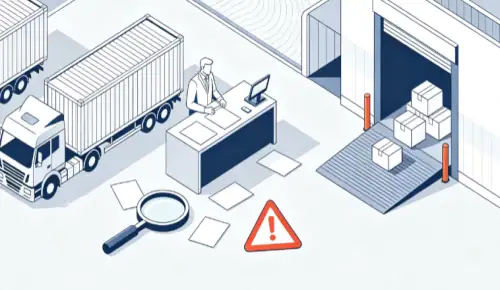
Based on real seller experiences, here are the most frequent mistakes made in Mexico FBA shipping:
-
Underestimating the new compliance requirements of the 2026 customs reform – digital filing and broker certification rules have changed, and using old methods may cause customs failure
-
Failing to register an RFC tax ID – no proper Pedimento, no VAT deduction, and high long‑term risk
-
Using vague product descriptions like “accessories” or “samples” – Mexican customs is very sensitive to this and may trigger an inspection
-
Missing NOM certification – goods are seized or returned if they require NOM but don’t have it
-
Inconsistent documentation – invoice values, product descriptions, quantities, and shipping terms must all match exactly; any discrepancy can delay clearance
-
Not clarifying the IOR setup – your DDP quote for Mexico FBA shipping must clearly state who is responsible for duties, taxes, and clearance
-
Not booking space early enough for peak season – space gets tight in the months before holidays, which can delay your shipments
Practical Tips for Mexico FBA Shipping
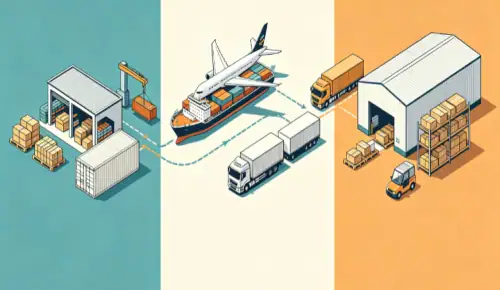
If you are an Amazon seller looking to expand into Mexico, these tips can help you avoid common headaches in Mexico FBA shipping:
Register your RFC tax ID early. This is the foundation for compliant operations in Mexico. With your own RFC, every shipment can have a Pedimento in your name, and you can claim the 16% VAT deduction.
Check NOM requirements before you ship. If your product falls into a NOM‑mandated category, get the certification done ahead of time. NOM certification is legally binding, and Mexican customs strictly checks for NOM compliance on imported goods.
Allow plenty of transit time. Ocean freight takes 25‑35 days to port, plus inland transport and customs clearance. Plan for at least 40‑50 days for your Mexico FBA shipping.
Book space early for peak season. Space gets tight in the months before holidays, so start planning your shipments 2‑3 months in advance.
Ensure your documents are consistent. Invoice amounts, product descriptions, quantities, and shipping terms must match exactly before the goods leave China. Avoid vague product names.
Consider the US transshipment option. Shipping via a US warehouse to Mexico can be faster and more flexible.
As a logistics provider focused on cross‑border ecommerce, AMZ Shipper helps sellers plan their China‑to‑Mexico logistics – from transport mode selection and customs compliance to DDP quotes and final delivery – so you can expand into Mexico with fewer detours.
ABout AMZ Shipper
AMZ Shipper has several years of experience for international logistics Freight Forwarding service. Our service is for importer and exporter, foreign freight forwarders, local and abroad business. Export of 1500 of 40HQ per year for FBA Amazon shipping, 15-30tons of air shipments per month.
Member of WCA. Our company is a professional Amazon freight forwarder that specializes in providing comprehensive an d efficient services to customers.