Running a cross-border e-commerce business, logistics issues will catch up with you sooner or later. Many sellers start out thinking, “It’s just about sending packages out,” only to find their account performance dragged down by slow delivery times, or their profits eaten up by sky-high shipping costs.
Direct express shipping (DHL/UPS/FedEx) and special line logistics – neither is inherently better than the other. It all comes down to what fits your current stage. Choose wisely, and logistics becomes your competitive edge. Choose poorly, and it turns into a silent profit killer.
Let’s Clarify: What Exactly Sets These Two Apart?
Direct Express Shipping
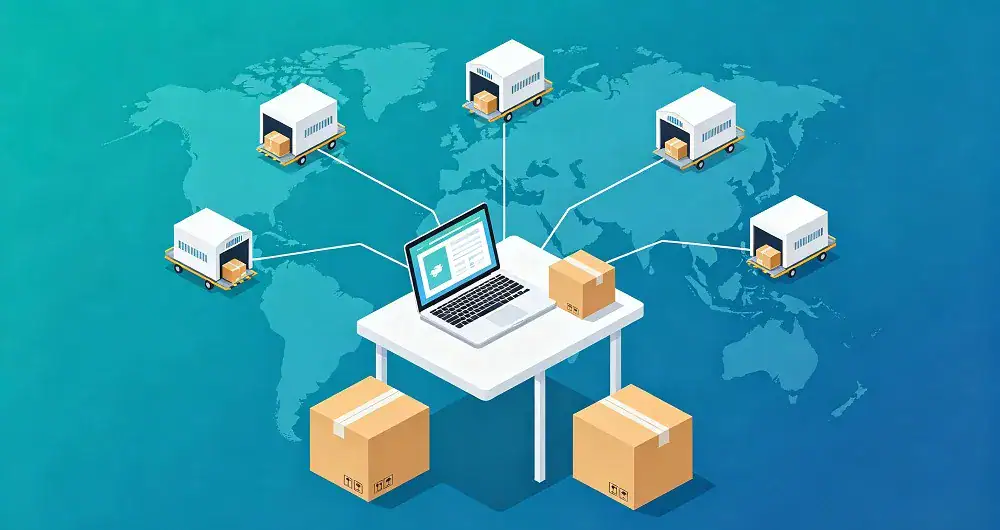
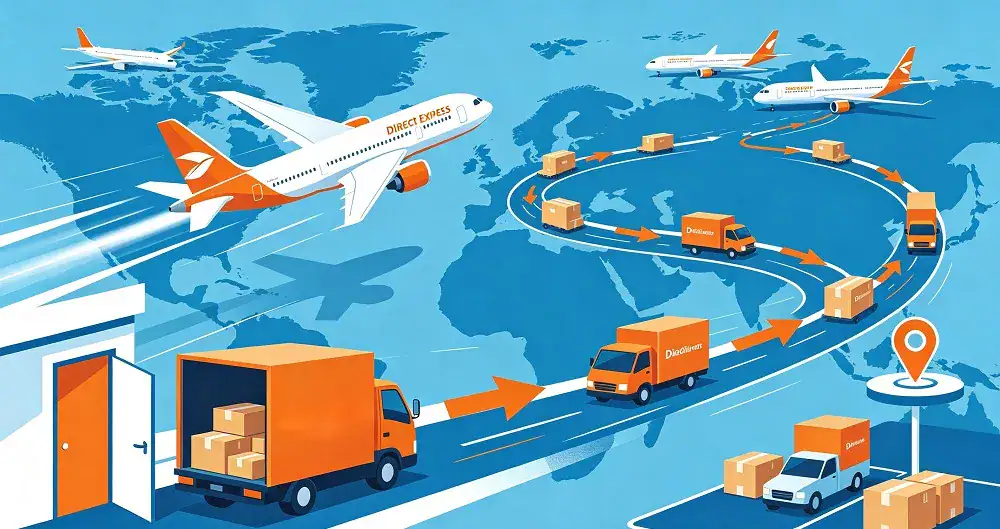
Direct express shipping relies on global self-operated networks of international couriers like DHL, UPS, and FedEx. Your shipment gets picked up from your doorstep, loaded straight onto a plane, and upon arrival, cleared and delivered through the courier’s own local infrastructure – door-to-door all the way.
Its biggest selling point is speed. Normally, you’re looking at 3 to 5 business days for delivery. The tracking is detailed and reliable, and even during peak seasons, you rarely see major delays from cargo hold-ups.
The flip side? It’s expensive. Unit shipping costs are among the highest you’ll find in cross-border logistics. Plus, couriers are sensitive to volumetric weight – if your product is even slightly bulky, the chargeable weight can shoot up quickly.
Special Line Logistics
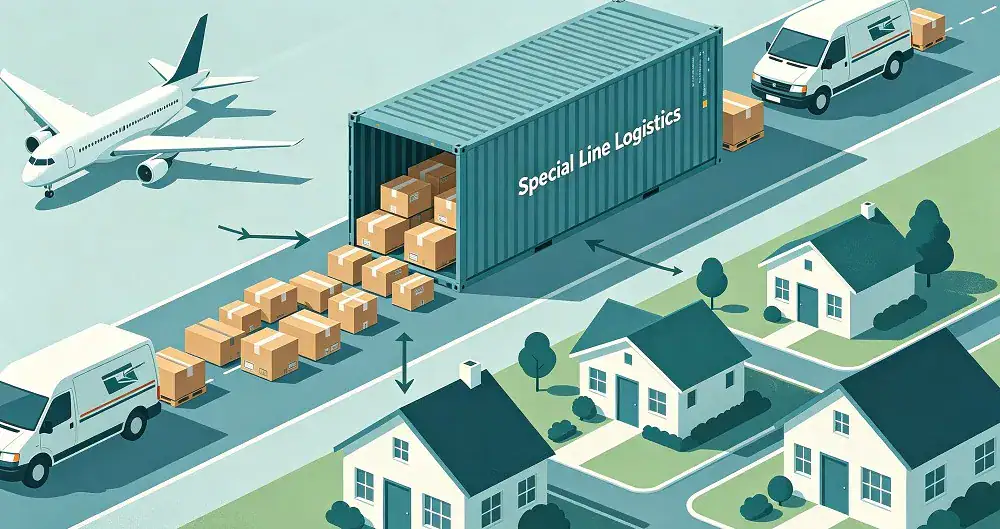
Special line logistics is essentially an integrated package: first-mile consolidation + trunk line transport + destination customs clearance + last-mile delivery. Providers consolidate shipments from multiple sellers heading to the same destination, leveraging economies of scale to bring down the per-unit cost.
After arriving in the destination country, local carriers (like USPS, Royal Mail, or DPD) handle the final delivery. Delivery times usually range from 7 to 15 days (air special lines) or longer (sea special lines). Prices are considerably lower than express shipping, making this the go-to choice for most small and medium-sized sellers.
Quick Comparison at a Glance
| Aspect | Direct Express (DHL/UPS/FedEx) | Special Line Logistics |
|---|---|---|
| Delivery Time | 3-5 business days, highly consistent | Air: 7-15 days; Sea: 25-45 days |
| Cost Profile | High unit cost, sensitive to volumetric weight | Bulk discounts kick in; better value with larger volumes |
| Best For | High-value small batches, urgent restocking | Regular restocking for steady sellers, product testing |
| Service Setup | Door-to-door with proprietary local networks | Coordinated multi-carrier model |
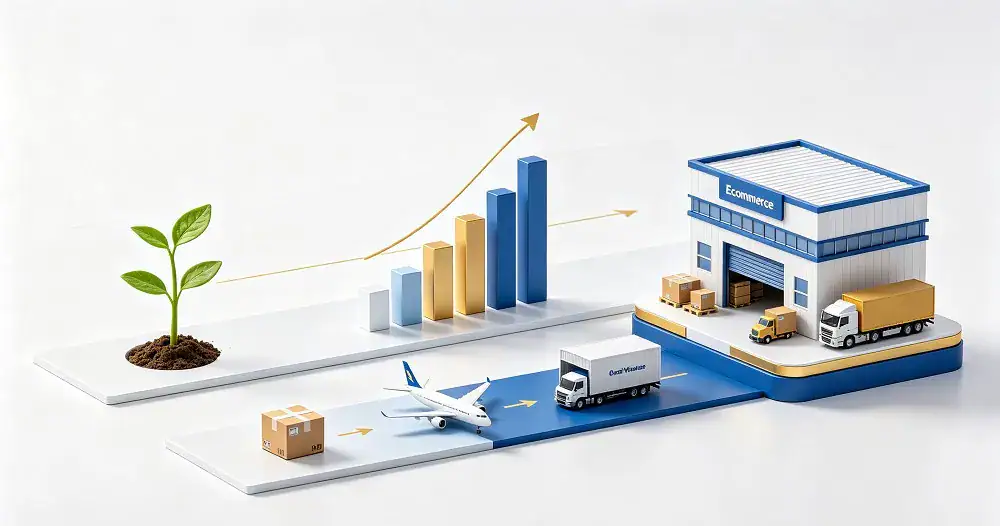
Match Your Logistics to Your Store’s Growth Stage
New Seller / Product Testing Phase – Go Light with Special Line Parcels
Just launched your store or a new product? Order volume is unpredictable, and you’re not even sure if the product will sell. At this point, the last thing you want is to sit on piles of unsold inventory.
The core logic here is simple: don’t ship until you have orders in hand. Special line parcel services are the top choice for individual sellers and testing scenarios. There’s no need to pre-position inventory abroad, so your capital isn’t tied up. You get full tracking visibility, delivery is more reliable than regular postal e-packet services, and you can save about 10% to 20% compared to those options.
Direct express only makes sense at this stage for high-ticket, high-margin test orders – items where a single sale’s profit can cover the shipping cost several times over. For those, using express to get early customer feedback and good reviews quickly is worth it. But for standard product testing? It’s overkill – your cost structure simply won’t hold up.
Best-Seller Ramp-Up / Steady Growth Phase – Embrace Special Lines for Scale Benefits
Once a product consistently generates orders and daily volume starts climbing, your logistics strategy needs to shift from “how to ship cheaply” to “how to keep margins healthy and predictable.” Here, air special lines give you the best bang for your buck.
Special line logistics really shine at this stage for two reasons:
-
Cost benefits become tangible: with higher volumes, the per-unit cost for consolidated shipping is significantly lower than sending each item via express;
-
Delivery becomes predictable: on popular routes, you’ll see 7 to 12 day delivery times with strong consistency and minimal cargo-hold issues.
For standard products with steady demand, air special lines hit the sweet spot between cost and speed. If your volumes are even larger and you have more flexibility on delivery times, sea special lines can push your costs down even further.
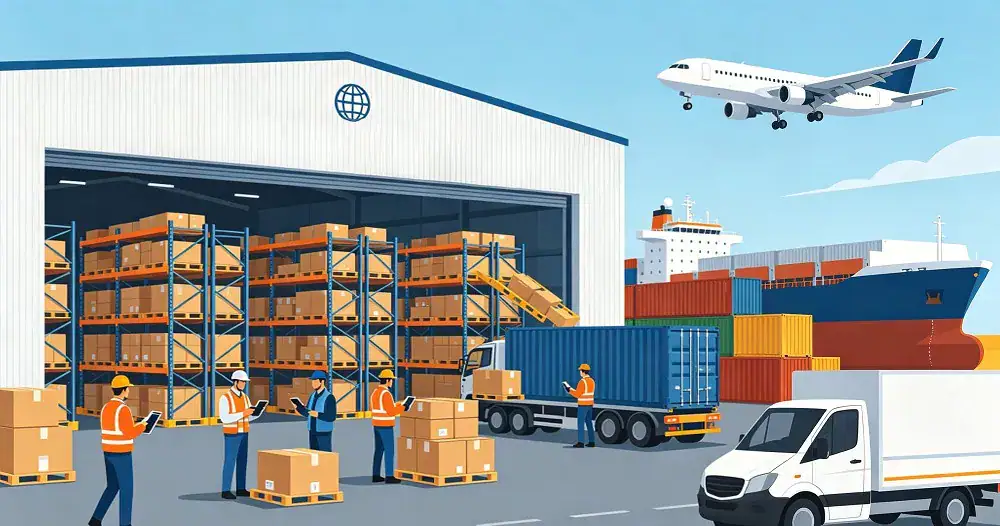
Mature High-Volume / Brand-Building Phase – Combine Special Lines with Overseas Warehousing
At this level, logistics is no longer just a cost center – it’s a competitive differentiator for customer experience. Buyer expectations have shifted from “deliver within a week” to “deliver in 2-3 days.” Displaying “local fulfillment” badges on your listings can clearly boost conversion rates.
At this point, overseas warehouses (like Amazon FBA or third-party providers) become your primary fulfillment channel. Special line logistics, in turn, pivot to their strongest role: head-haul restocking. Using sea special lines or rail special lines, you move bulk inventory to your overseas warehouses at the lowest possible cost to keep your stock levels healthy. For urgent, low-volume replenishment, express couriers can still step in as a backup.
According to a 2026 survey of individual sellers, 68.2% of newcomers overspent on their first logistics setup by over 30% compared to a reasonable benchmark. Of those, 41% had received account performance warnings directly linked to poor logistics choices. The root cause is almost always a stage mismatch – using an asset-heavy inventory model during testing, or sticking with per-unit express shipping during the growth phase. Neither works.
Why AMZ Shipper Deserves a Look?
We’ve talked about what to choose – now let’s talk about who to work with. AMZ Shipper is a logistics provider focused on cross-border e-commerce head-haul services, covering fulfillment for Amazon FBA, TikTok Shop, Temu, and other platforms. A few features directly connect with the decision-making logic we’ve discussed:
First, its service structure is designed with seller stages in mind. AMZ Shipper has standardized its internal workflows – for the two main U.S. routes (West Coast and East Coast), it sets a 5-business-day internal benchmark from cargo receipt to container loading. If delays happen due to internal reasons, customers get proactive notifications. This level of transparency in LCL (less-than-container-load) services is genuinely useful for sellers who need regular bulk restocking.
Second, pricing is transparent with no hidden fees. AMZ Shipper provides itemized written quotes that break down freight, customs clearance, trucking, and any optional services. Their commitment: “unless the client proactively changes product categories or shipping terms, no uncommunicated fees will appear. ” That’s still rare in this industry.
Third, it has a warehouse network across major manufacturing regions. AMZ Shipper operates consolidation warehouses in Shenzhen, Yiwu, Guangzhou, and Qingdao, covering South, East, and North China’s manufacturing hubs. They maintain direct booking relationships with multiple shipping lines and airlines, handling over 1,500 40HQ containers of FBA-related sea freight annually, plus 15 to 30 tons of air freight per month.
Fourth, customer service is responsive. AMZ Shipper runs a cross-time-zone, two-shift support system that responds within 4 hours. Every contracted client gets a dedicated account manager who tracks shipments and provides regular status updates. For cross-border sellers, knowing you can actually reach someone when things go wrong is a form of security in itself.

No One-Size-Fits-All Answer – But There’s a Right Path
There’s no single logistics solution that works forever. Start light with special line parcels for testing; switch to air special lines during your growth phase to capture scale benefits; and combine special lines with overseas warehousing as you mature. Think of direct express as your “special forces” – used for critical missions (high-value urgent items, emergency restocking). Think of special line logistics as your “main army” – handling the bulk of your regular operations.
The key isn’t picking the “most expensive” or “cheapest” option – it’s picking the one that best matches where your store is right now. Evaluate your current daily order volume, average order value, and delivery expectations. If you’re unsure which path fits, talking to a provider like AMZ Shipper that offers transparent quotes and professional diagnostics isn’t a bad move – after all, your time is better spent on product selection and store operations than on getting lost in logistics fine print.
FAQ
Q: Which is cheaper – special line logistics or direct express?
A: Special line logistics usually offers better value per unit, especially as volumes grow. Direct express has higher unit costs and is more sensitive to bulky items. The final cost depends on your shipment’s weight, dimensions, and destination.
Q: When does direct express become a must?
A: For urgent restocking (to avoid stockouts), high-value samples or time-sensitive documents, and orders with margins high enough to easily absorb express shipping costs. Express delivery’s reliability and consistency during peak seasons are its real strengths.
Q: Is special line delivery time consistent?
A: For popular air special line routes, delivery is relatively stable – typically 7 to 15 days, more reliable than postal e-packet services, with fewer cargo-hold issues. Sea special lines are slower, usually ranging from 25 to 45 days.
Q: My current order volume is still unstable – what logistics should I use?
A: Go with special line parcel services. They require zero inventory pre-positioning, offer full tracking, and sit in the sweet spot between cost and speed – ideal for product testing and stores with a wide but shallow SKU range.
ABout AMZ Shipper
AMZ Shipper has several years of experience for international logistics Freight Forwarding service. Our service is for importer and exporter, foreign freight forwarders, local and abroad business. Export of 1500 of 40HQ per year for FBA Amazon shipping, 15-30 tons of air shipments per month.
Member of WCA. Our company is a professional Amazon freight forwarder that specializes in providing comprehensive and efficient services to customers.


