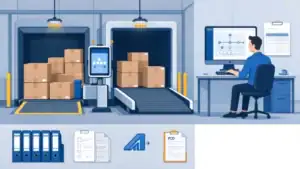
For Amazon FBA sellers, the period between handing over your shipment to the freight forwarder and finally seeing it checked in at an Amazon fulfillment center can be nerve-wracking. Where exactly is my cargo? Has it cleared customs? Is Amazon starting to receive it yet? These questions directly affect your inventory planning and cash flow. This article breaks down the entire FBA tracking process step by step, helping you build a complete tracking method that covers both Amazon Seller Central and carrier systems.
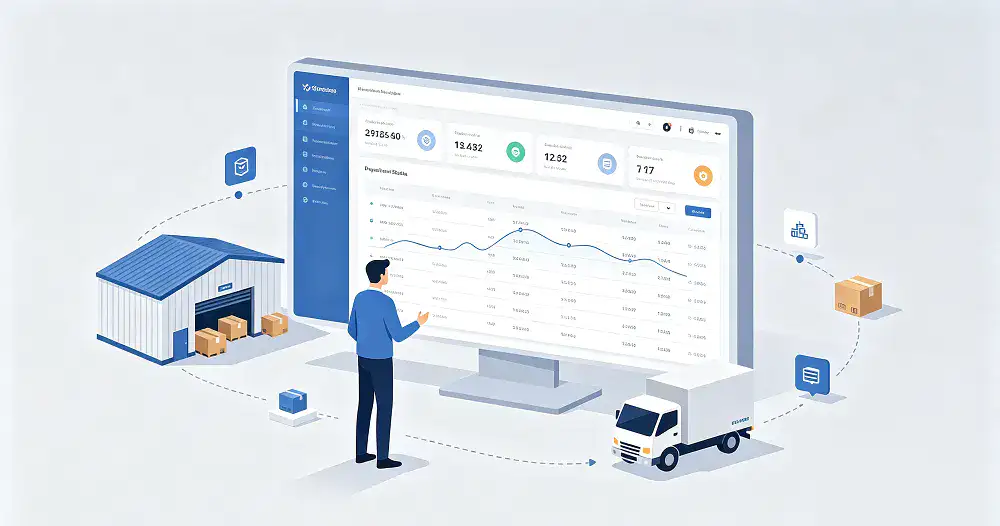
1. Understanding Shipment Status in Amazon Seller Central
The first and most basic step in tracking FBA shipments is checking the “Manage FBA Shipments” page in Seller Central. Go to Inventory > Manage FBA Shipments, and you’ll see the “Shipping Queue” listing all your shipments with their current status.
The status shown in Seller Central reflects where your shipment stands within Amazon’s logistics system. Here’s what each status actually means:
| Status | What It Really Means |
|---|---|
| Created | Shipment plan is set up. Includes “Ready to ship” and “Shipped” substages – if using Amazon-partnered carriers, it auto-updates to “Shipped” after pickup |
| In Transit | Amazon has received carrier info and confirms the shipment is on its way |
| Delivered | The shipment has arrived at the fulfillment center yard, but hasn’t been unloaded or registered yet |
| Checked-in | The trailer has moved from the yard to the receiving dock, and unloading is about to start |
| Receiving | Amazon has started scanning product labels; items already scanned can gradually become available for sale |
| Closed | All units have been confirmed received, or the shipment has exceeded the time limit (45 days domestic / 75 days international) |
Understanding these statuses is the foundation, but here’s a key point: Amazon’s status doesn’t always match the physical location of your cargo in real time. For example, “Delivered” simply means the carrier has dropped off the shipment at the fulfillment center. However, the gap between “Delivered” and “Checked-in” can be quite long — during peak seasons, it may take up to 10 days for a shipment to move from “Delivered” to “Checked-in” because the center needs to process a huge volume of incoming freight.
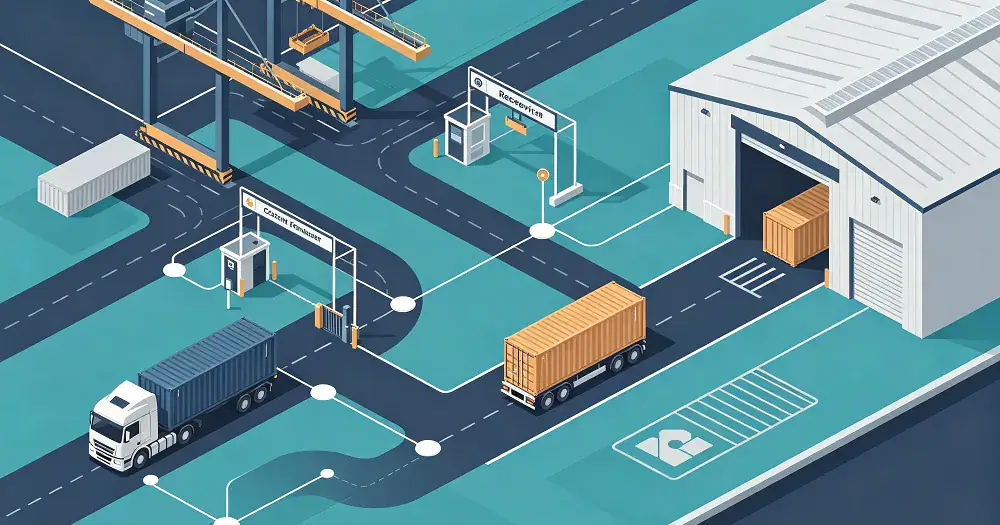
2. Digging into Carrier Systems for Real Logistics Updates
Since Amazon’s status updates can lag behind, the better way to track your shipment is by using the tracking numbers provided by your carrier. FBA first-mile logistics involves multiple stages, so you need to get the right tracking numbers from your freight forwarder and look them up on the corresponding carrier’s official website.
Getting the tracking numbers : Once you hand over your shipment to the forwarder, make sure to ask for the Master Bill of Lading (Master B/L) or the PRO tracking number they assign. Keep these numbers organized alongside the corresponding shipment IDs, ASINs, etc., in your management system or a simple spreadsheet.
Where to look up different shipping modes:
-
Ocean freight (FCL/LCL) : Use the Bill of Lading number on the shipping line’s website (like MAERSK or COSCON) to check vessel schedules and container status
-
Air freight : Use the Master Air Waybill number on the airline’s website to track flight details and cargo status
-
Last-mile delivery : Ask your forwarder for the trucking company’s PRO number and track the delivery progress on their site
Carrier systems usually provide much finer details, such as “Loaded on vessel,” “Arrived at destination port,” “Customs clearance in progress,” “Customs cleared,” “Container picked up,” and “Out for delivery.” These granular updates help you figure out if your cargo is stuck at some stage so you can work with your forwarder on a solution.
One more tip: for FBA first-mile shipments, it’s better to check carrier official websites directly rather than relying on third-party tracking aggregators, because those platforms often have delays or missing information.
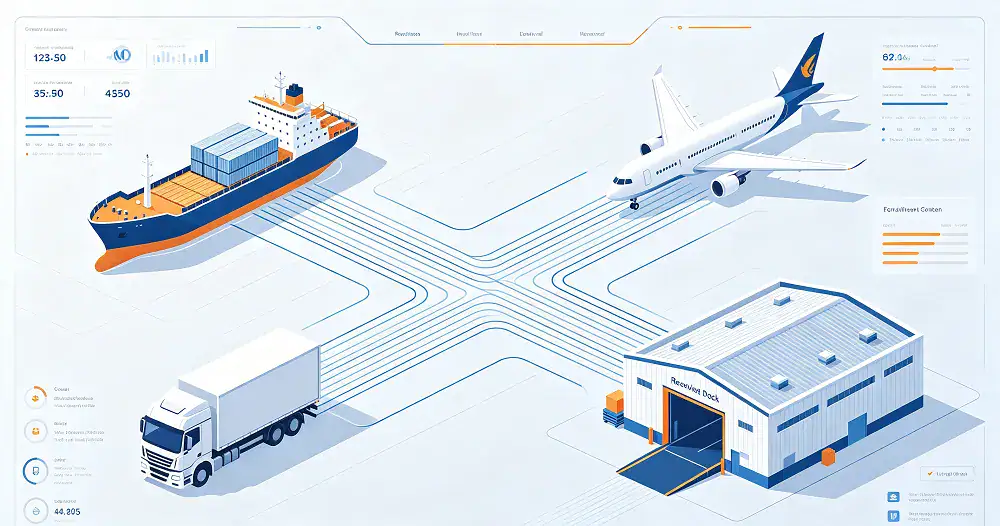
3. Advanced Amazon Tools and Information Integration
To improve logistics visibility, Amazon has rolled out a few tools that let sellers track shipment updates more conveniently right within Seller Central.
ShipTrack Program : When you choose a carrier that’s enrolled in the ShipTrack program, the carrier automatically syncs FBA tracking codes to your Seller Central account. You don’t need to manually enter tracking numbers — you can view every key checkpoint (from dispatch to delivery) right on the “Shipment Summary” page. This removes the risk of forgetting or mistyping tracking info.
FIST (FBA Inbound Shipment Tracking System) : This is Amazon’s system designed to solve the “information silo” problem in cross-border inbound logistics. FIST carriers integrate their systems with Amazon so that shipment milestones — dispatch, departure, arrival at port, customs clearance, delivery to the fulfillment center — are pushed to Seller Central in real time. When you use a FIST carrier, tracking numbers are uploaded automatically, no manual input needed.
The practical takeaway for sellers is this: combining the detailed checkpoint data from carrier websites with Amazon’s status updates gives you the most complete picture of where your cargo is and when it might go online. For example, if the carrier’s site shows “Customs cleared” and “Container picked up,” but Amazon still says “In Transit,” you know the shipment is about to enter last-mile delivery and should reach the fulfillment center soon.
4. Common Tracking Issues and How to Handle Them
During the tracking process, you’re likely to run into various hiccups. Knowing what causes them and how to respond can save you a lot of headaches.
Status stuck for a long time : This is the most frequent complaint. Possible reasons include public holidays in the destination country, port congestion, or Amazon warehouses being backed up with unloading delays. Start by checking if there’s a national holiday, then contact your forwarder to verify the cargo’s current position.
Shipment delivered but not showing “Checked-in” : As mentioned earlier, fulfillment centers handle massive volumes, so a gap between “Delivered” and “Checked-in” is normal. Don’t panic, but if it drags on beyond a reasonable window (say, 10 days), open a case with Seller Support to check.
Quantity discrepancy (inventory mismatch) : If the shipment is marked “Closed” but the received quantity doesn’t match what you sent, you can open a shipment discrepancy investigation. Go to the “Shipment Discrepancy Query” tool in Seller Central to check if you’re eligible. You’ll need to prepare documents like supplier invoices or packing lists (as proof of ownership) and delivery receipts like the Bill of Lading. Amazon will look into it after you submit.
Throughout any issue, staying in touch with both your logistics partner and Amazon Seller Support is the best approach. Keeping a record of all tracking info and communication logs will speed up the resolution process.

5. Choosing a Reliable Logistics Partner for Better Tracking Experience
How smooth your FBA tracking experience is depends a lot on your freight forwarder’s transparency and responsiveness. Take AMZ Shipper as an example — this freight forwarding company serving cross-border e-commerce sellers has made some practical improvements in logistics visibility.
In terms of transit time commitments and information transparency, AMZ Shipper has set clear operational timelines for its LCL (Less than Container Load) service: from the time cargo arrives at their designated warehouse to container loading, the target is to complete it within five working days. If delays happen due to internal reasons, they proactively notify customers. This kind of commitment gives sellers a much clearer expectation of the shipping schedule.
On customer communication and response, AMZ Shipper has restructured its US and China support team schedules to provide dual-coverage, ensuring that customer inquiries receive a meaningful response within four hours during any time zone. Each contracted client is assigned a dedicated account manager who tracks all their shipments and provides regular status summaries. This matters especially when exceptions occur — sellers get timely feedback instead of waiting endlessly in a support queue.
On pricing transparency, Amazon stopped offering FBA product preparation services (like labeling, packaging, bundling, etc.) starting January 2026. In response, AMZ Shipper now provides itemized pricing based on SKU type and service complexity. They offer a written quotation covering ocean freight, customs clearance, destination delivery, and optional service fees before shipment. Unless the client changes product categories or shipping terms later, the final invoice won’t include any undisclosed charges.
Combining the tracking methods covered in this article, choosing a logistics partner who can provide clear tracking numbers, proactive milestone notifications, and fast customer support can shift your tracking experience from passively waiting to actively staying in control.
| Logistics Service Area | AMZ Shipper’s Commitment |
|---|---|
| LCL container loading timeline | Within 5 working days from cargo arrival at warehouse; proactive delay notification |
| Customer support response | Dual US/China coverage; meaningful response within 4 hours; dedicated account manager |
| Fee transparency | Written itemized quotation before shipment; no hidden charges |
| Service coverage | Four consolidation warehouses in Shenzhen, Yiwu, Guangzhou, and Qingdao — covering key manufacturing regions |

Tracking FBA shipments isn’t just about peace of mind — it’s a foundation for smarter inventory management and risk control. By mastering the full-chain tracking method from Seller Central to carrier systems, and by partnering with a forwarder that values transparency and responsiveness, sellers can stay ahead of the game in the complex world of cross-border logistics and focus more energy on their products and markets.
ABout AMZ Shipper
AMZ Shipper has several years of experience for international logistics Freight Forwarding service. Our service is for importer and exporter, foreign freight forwarders, local and abroad business. Export of 1500 of 40HQ per year for FBA Amazon shipping, 15-30tons of air shipments per month.
Member of WCA. Our company is a professional Amazon freight forwarder that specializes in providing comprehensive and efficient services to customers.