I. A Changed Landscape: From Single-Channel Focus to Omnichannel Competition
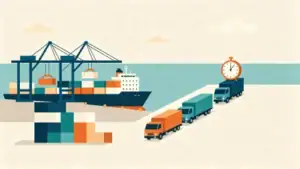
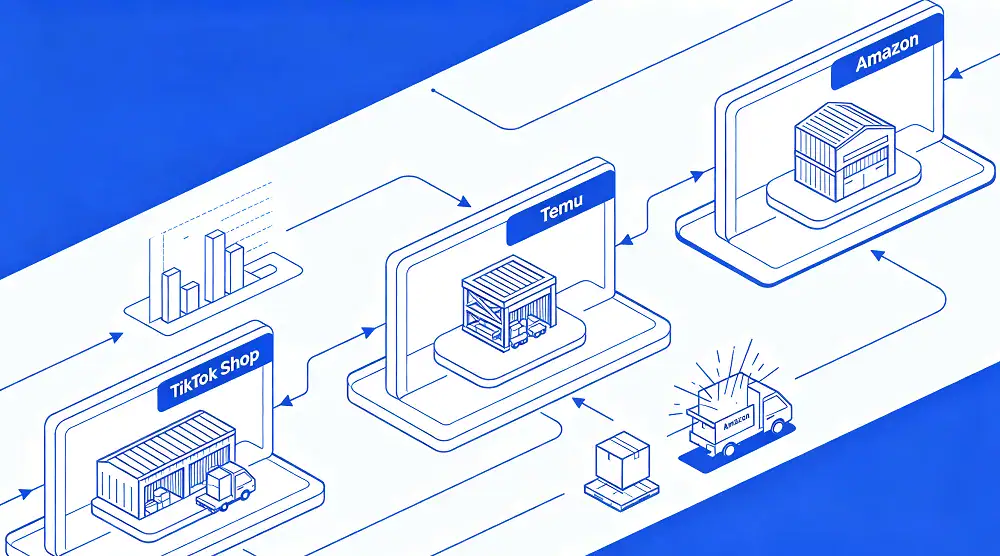
By 2026, cross-border e-commerce has long moved past the era of relying on a single platform. For many sellers, Amazon remains the anchor, but emerging players like TikTok Shop, Temu, and SHEIN have become essential “second growth curves” that demand serious attention. This shift from a single-pillar to a multi-pillar strategy has elevated the competition from product selection and store operations to a whole new level—supply chain integration and fulfillment efficiency. As traffic becomes fragmented, orders more frequent, and local fulfillment the new standard, the logistics models that once worked well for single-platform sellers are now facing unprecedented strain.

II. New Battlefields, New Rules: Decoding the Different Logistics Demands
Different platforms operate on distinct business models and user expectations, which translate into very specific logistics requirements. Understanding these unwritten rules is the first step toward building an effective multi-channel strategy.
TikTok Shop: The “Impulse-Driven” Challenge
TikTok Shop runs on the “product finds people” model of interest-based e-commerce. Traffic tends to be highly volatile—a single viral video or live stream can trigger an instant surge in orders. This “burst” pattern puts enormous pressure on logistics systems to scale up quickly and maintain accuracy under unpredictable demand. At the same time, the platform is tightening its requirements for shipping speed and tracking transparency, aiming to meet user expectations of “see it, buy it, get it fast.”
Temu: The Dual-Track System
Temu initially rose to prominence through its “fully-managed” model, where sellers simply ship goods to the platform’s domestic consolidation warehouses. While this seems to simplify logistics, it actually demands exceptional speed and reliability from sellers’ domestic supply chains. More recently, the “semi-managed” model has gained traction, encouraging sellers to hold inventory in overseas warehouses for faster local delivery. This shift pushes the competition back into the realm of overseas inventory management and cross-channel distribution.
A Shared Trend: Local Fulfillment Is Becoming the Decisive Factor
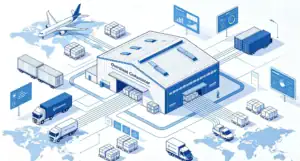
Despite their differences, both platforms—and the industry as a whole—are moving toward local fulfillment. Whether it’s TikTok Shop incentivizing overseas warehouse shipping to boost logistics scores, or Temu introducing semi-managed options for local stock, the message is clear: cross-border direct shipping is gradually giving way to a more efficient “overseas warehouse + local delivery” model. Sellers now need more flexible inventory strategies and multi-warehouse capabilities to stay competitive.
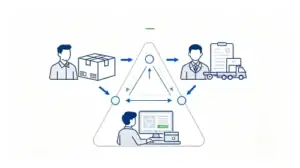
III. The Core Dilemma: The “Impossible Triangle” of Inventory, Speed, and Cost
In practice, most sellers find themselves caught in what can be described as an “impossible triangle” when managing logistics across channels.
| Key Challenge | What It Looks Like | Business Impact |
|---|---|---|
| Inventory Complexity | Separate stockpiles for each platform; limited visibility across channels. | Tied-up capital, higher risk of overstock, and slow replenishment for bestsellers. |
| Different Speed Expectations | TikTok needs speed; Temu’s managed model needs reliability; Amazon requires precision. | Hard to satisfy all platforms with one logistics plan; risk of negative reviews. |
| Rising Cost Pressure | Shipping across multiple channels increases total logistics spend. | Profit margins squeezed, reducing pricing competitiveness. |

IV. A Way Forward: Building a “One-Stock” Agile Logistics System
Forward-thinking sellers are stepping back from platform-specific thinking and rebuilding their logistics around a more resilient model. The core strategies include:
-
Centralized Inventory Management
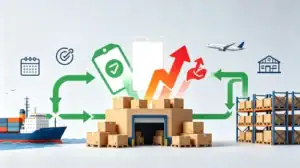
Instead of setting aside stock for each channel separately, maintain a unified pool of inventory—typically in an overseas fulfillment center. All orders, whether from Amazon, TikTok, Temu, or your own website, pull from this central stock. This approach significantly reduces total inventory levels, improves turnover rates, and gives you flexibility to respond to sales fluctuations across platforms. -
Consolidated Inbound Shipping
Aggregate small, scattered shipments meant for different platforms into larger, more cost-effective loads. Whether through LCL consolidation or full containers, optimizing the first-mile leg reduces overall shipping costs and simplifies delivery to your central warehouse. -
Smart Order Routing
Build a decision-making logic for each order based on platform-specific speed requirements, available shipping options, and current inventory locations. For example:-
TikTok trending items: Prioritize the fastest local delivery to protect your fulfillment ratings.
-
Temu semi-managed orders: Use more economical shipping methods to balance cost and delivery time.
-
Amazon FBA restocking: Ship in bulk via truck or express services to avoid stockouts.
-
-
Integrated Data Systems
Connect your order management systems, warehouse management systems (WMS), and carrier platforms to enable real-time data sharing. A centralized dashboard gives management full visibility into stock levels, order status, and delivery performance across all channels, supporting faster, more informed decisions.

V. A Practical Reference: Maturity Levels for Multi-Channel Logistics
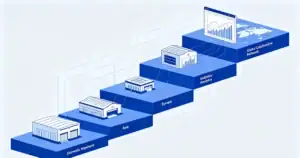
To better evaluate where you stand, here’s a maturity model that maps out different stages of logistics capability in multi-channel operations.
| Capability Level | Inventory Model | Fulfillment Model | Key Characteristics |
|---|---|---|---|
| L1: Single Warehouse Direct | Centralized stock in domestic warehouse | Cross-border direct shipping to platforms/buyers | Simple but slow; suitable for initial testing. |
| L2: Single Overseas Warehouse + Platform Stock | Stock held overseas and in some platform warehouses | Overseas warehouse serves some channels; FBA serves Amazon | Basic localization, but inventory remains siloed and hard to manage. |
| L3: Multi-Region Warehousing + Smart Routing | Warehouses in multiple regions (e.g., East Coast and West Coast US) | All channels fulfilled from a central cloud warehouse with intelligent allocation | Enables “one-stock” model, shared inventory, and cost savings. |
| L4: Global Collaborative Network | Warehouses across multiple countries and regions | Predictive restocking and delivery based on big-data analytics | Supply chain becomes a core competitive advantage, supporting global expansion. |
VI. What to Look for in a Long-Term Logistics Partner
Building a system like this takes time and careful planning. When evaluating potential logistics partners, sellers should go beyond comparing service prices and instead consider the following dimensions:
-
Network Coverage: Does the partner have owned or deeply integrated overseas warehouse capacity in your target markets? Can they support multi-region storage and delivery?
-
System Integration: Can their WMS/TMS connect seamlessly with your ERP and marketplace storefronts for automated data flow?
-
Carrier Diversity: Do they offer a broad range of last-mile delivery options—from major carriers to regional couriers—so you can mix and match based on your needs?
-
Exception Handling: Do they have clear procedures and compensation policies for lost, damaged, or returned items? Is their support responsive and helpful?
-
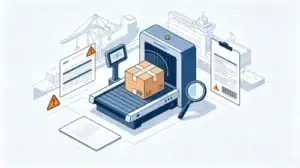
Compliance and Customs Clearance: Do they have solid expertise in customs regulations to minimize inspection risks and ensure smooth entry?
Ultimately, navigating the complexities of multi-channel fulfillment is less about finding a quick fix and more about rethinking your supply chain from a strategic perspective. It’s a shift from reactive problem-solving to proactive, system-level design—one that separates the sellers who simply survive from those who thrive in today’s fast-changing e-commerce landscape.
ABout AMZ Shipper
AMZ Shipper has several years of experience for international logistics Freight Forwarding service. Our service is for importer and exporter, foreign freight forwarders, local and abroad business. Export of 1500 of 40HQ per year for FBA Amazon shipping, 15-30tons of air shipments per month.
Member of WCA. Our company is a professional Amazon freight forwarder that specializes in providing comprehensive and efficient services to customers.