If your business deals with importing, exporting, or even bulk shipping within the country, there’s one big decision that can totally impact your profits: should you team up with a freight forwarder, or handle all the shipping stuff on your own? At first glance, doing it yourself might seem like a smart way to save money—cut out the “middleman” and keep full control over your goods. But here’s the thing: freight forwarders bring expertise, industry connections, and peace of mind that often make their fees totally worth it. The truth is, there’s no one-size-fits-all answer—it all depends on how big your business is, how much you ship, how complicated your destinations are, and what your long-term goals are. In this blog, we’ll break down the costs and benefits of both options in simple terms, highlight the key things you need to consider, and help you make a decision that works for your business.
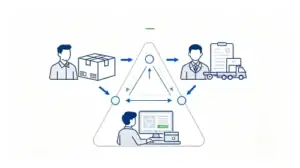
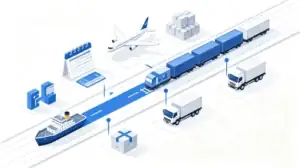
First, let’s keep it simple: a freight forwarder is basically a middleman who connects your business with the companies that actually move your goods—like shipping lines, airlines, or trucking companies. They don’t own the ships or trucks themselves, but they use their global networks, industry know-how, and bargaining power (from working with lots of clients) to handle every step of the shipping process. That means they take care of paperwork, getting your goods through customs, finding the best route, and even cargo insurance. On the other hand, handling shipping yourself means you’re in charge of everything: booking the carrier, filling out all the forms, coordinating logistics, and fixing any problems that pop up while your goods are in transit.
Let’s start with the most important question: cost. A lot of businesses think doing it yourself is cheaper because you don’t have to pay a freight forwarder. But that ignores all the hidden costs and headaches that come with managing logistics on your own. Below, we’ll compare the direct and indirect costs of both options in detail, then talk about the non-financial pros and cons too.

Cost Comparison: Freight Forwarder vs. Self-Shipping
When you’re looking at costs, don’t just focus on the upfront fees—you need to consider all the expenses: direct costs (like fees and carrier rates), indirect costs (like your time and labor), and hidden costs (like delays, fines, or damaged goods). The table below breaks down the key cost factors and how each option stacks up, so you can see at a glance which might be better for you:
|
Cost Component
|
Freight Forwarder
|
Self-Shipping
|
|
Upfront Fees
|
Forwarder fee (usually 1-5% of total shipping cost) + carrier rates (negotiated by the forwarder for a better deal)
|
No forwarder fee, but you’ll pay standard carrier rates (small/medium businesses don’t get volume discounts)
|
|
Documentation & Customs Fees
|
Included in the forwarder fee—they handle all the customs forms, permits, and rules (so you’re less likely to get fined)
|
You’ll pay extra for a customs broker (if you hire one) + spend time/labor on paperwork—and you risk fines if you make a mistake
|
|
Cargo Insurance
|
Cheaper group rates available; forwarders help you file claims if your goods get damaged or lost
|
More expensive individual rates; you have to handle insurance claims all by yourself
|
|
Labor Costs
|
No need to hire in-house staff—the forwarder handles all the coordination, tracking, and problem-solving
|
You’ll need to pay for dedicated staff (like logistics managers or admins) to book carriers, do paperwork, and follow up
|
|
Hidden Costs (Delays, Fines, Damage)
|
Lower risk—forwarders expect delays, fix problems fast, and keep fines/rule-breaking to a minimum
|
Higher risk—delays from paperwork mistakes, miscommunication with carriers, or bad route choices; fines for breaking rules; damaged goods from improper handling
|
|
Volume Discounts
|
Yes—forwarders use the volume from all their clients to get lower carrier rates (the savings usually cover their fee)
|
Only big businesses with 1000+ shipments a year get these discounts
|
As you can see from the table, which option is “cheaper” depends a lot on how much you ship and how much you know about shipping. For small businesses that ship less than 50 times a year, doing it yourself might seem cheaper at first—but those hidden costs (your time, labor, fines) add up fast. For example, imagine a small e-commerce business shipping 20 international packages a month. They might spend 10+ hours a week on paperwork, booking carriers, and tracking shipments—that’s time they could be using to grow their business (like working on sales or marketing). A freight forwarder would take care of all that for a small fee, freeing up the business owner’s time.
For medium to large businesses that ship a lot (100+ times a year), freight forwarders usually save you money. Thanks to their bargaining power, they can get carrier rates that are 10-30% lower than what you’d pay on your own—and those savings often cover the forwarder’s fee. For example, a manufacturer shipping 50 full containers a year could save $5,000-$15,000 annually with a forwarder, even after paying the 3% fee. Plus, forwarders can combine smaller shipments to save money—a perk most small businesses can’t get on their own.

Non-Financial Benefits: Expertise, Control, and Peace of Mind
Cost isn’t the only thing that matters. The non-financial pros and cons of each option can also have a big impact on how your business runs. Let’s break these down in simple terms too.
Freight Forwarder: Expertise and Less Stress
The biggest benefit of working with a freight forwarder is their expertise—especially when it comes to international shipping. Global shipping is complicated: there are tons of rules, customs requirements, and carrier options. One small mistake (like filling out a form wrong or mislabeling your goods) can lead to costly delays, fines, or even having your cargo seized. Freight forwarders live and breathe this stuff: they know the customs rules for different countries, how to handle dangerous or restricted goods, and how to work through port delays or carrier issues quickly.
Another big plus is less risk. Freight forwarders have relationships with carriers, customs brokers, and local agents all over the world—so if something goes wrong, they can fix it fast. For example, if your shipment gets delayed because of a port strike or held up at customs, a forwarder can reroute it, negotiate with the carrier, or get the right paperwork to clear it—something that would be super time-consuming and stressful if you did it yourself. Plus, they often offer cheaper cargo insurance, so you’re covered if your goods get damaged, lost, or stolen.
Freight forwarders also save you time. Managing shipping is a full-time job: booking carriers, filling out paperwork, tracking shipments, and fixing problems all take a lot of time and focus. By outsourcing this to a forwarder, you and your team can focus on what you do best—whether that’s making products, selling, or helping customers. This is especially helpful for small businesses with a small team, where every hour spent on shipping is an hour taken away from growing the business.
But there are downsides to using a freight forwarder. The biggest one is losing some control. When you work with a forwarder, you’re trusting them to make decisions for you—like which carrier to use, when to reroute a shipment, or how to fix a problem. Most reputable forwarders have your best interests in mind, but there’s always a chance of miscommunication. Also, some forwarders have hidden fees (like extra charges for fast service or additional paperwork), so make sure you read the fine print and choose one that’s transparent.

Self-Shipping: Control and Flexibility
The main benefit of doing shipping yourself is having complete control over every step. You can pick the exact carrier, route, and delivery time that works for you, and you can make changes on the fly if something comes up. For example, if you need to rush a shipment or change the delivery address, you can call the carrier directly instead of going through a third party. This is great for businesses with unique needs—like time-sensitive goods (think food or medical supplies) or high-value cargo that you want to keep an eye on.
Doing it yourself also gives you more flexibility. You can negotiate directly with carriers for custom solutions, change your shipping strategy whenever you want, and build relationships with carrier reps. For small businesses that ship less, this flexibility is a big win—you can pick the carrier that offers the best rate for each shipment, instead of being stuck with the forwarder’s preferred partners. Plus, you can customize packaging, add branded materials, or even include handwritten thank-you notes to make your customers happy.
The biggest downsides of doing it yourself are the time, expertise, and risk involved. Without a freight forwarder’s knowledge, you’re more likely to make mistakes—like filling out forms wrong, mislabeling goods, or picking the wrong carrier—that lead to delays, fines, or damaged goods. For example, if you’re shipping internationally and mess up the customs forms, your cargo could get stuck at the border, costing you extra fees and lost sales. Also, you’ll need to hire or train staff to handle the shipping work—which can be expensive for small to medium businesses.
Another challenge is scaling up. As your business grows and you ship more, doing it yourself gets more complicated. You’ll have to manage more carriers, fill out more paperwork, and fix more problems—all while trying to grow your business. This can lead to inefficiencies, delays, and higher costs, making it hard to expand. Freight forwarders, on the other hand, can easily handle more shipments because they have the resources and network to keep things running smoothly.

Key Factors to Consider When Making Your Decision
To figure out whether a freight forwarder or doing it yourself is right for you, ask yourself these simple questions:
1. How Much and How Often Do You Ship?
If you ship less than 50 times a year (small volume), doing it yourself might work—especially if you’re shipping within the country. The upfront savings might be worth the time and labor. But if you ship 100+ times a year (medium to high volume), a freight forwarder is probably a better bet. The discounts and time savings will cover their fee, and you’ll get their expertise to handle the busy logistics.
2. Are You Shipping Internationally or Domestically?
International shipping is way more complicated than domestic shipping—there are customs rules, import/export laws, and language barriers to deal with. For international shipments, we almost always recommend a freight forwarder—their expertise will save you from delays and fines. For domestic shipping, doing it yourself is easier because the process is simpler and there are fewer rules.
3. What Kind of Cargo Are You Shipping?
If you’re shipping high-value, fragile, or dangerous goods, a freight forwarder is better. They have experience handling these types of cargo, can arrange proper packaging and insurance, and can lower the risk of damage or loss. For low-value, non-fragile goods (like small consumer products), doing it yourself is probably fine—there’s less risk if something goes wrong.
4.Do You Have the In-House Expertise and Staff?
Do you have staff who know about shipping logistics? If you have a dedicated logistics manager or team who understands customs rules and carrier relationships, doing it yourself might work. But if you don’t have that expertise, a freight forwarder can fill the gap—saving you time and mistakes. For small businesses with a small team, outsourcing to a forwarder is usually the most efficient choice.
5.What Are Your Long-Term Business Goals?
If you plan to grow your business and ship more in the future, a freight forwarder can grow with you. They have the resources to handle more shipments, expand into new markets, and adjust your shipping strategy as your business changes. If you plan to stay small and keep shipping less, doing it yourself might be cheaper in the long run.
ABout AMZ Shipper
AMZ Shipper has several years of experience for international logistics Freight Forwarding service. Our service is for importer and exporter, foreign freight forwarders, local and abroad business. Export of 1500 of 40HQ per year for FBA Amazon shipping, 15-30tons of air shipments per month.
Member of WCA. Our company is a professional Amazon freight forwarder that specializes in providing comprehensive and efficient services to customers.