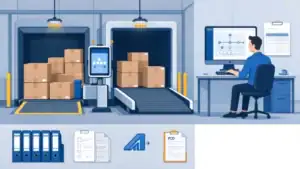
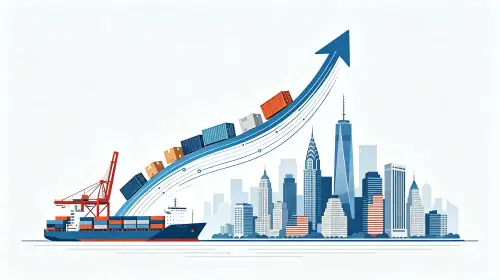
In the second quarter of 2026, compliant DDP (Delivered Duty Paid) shipment volumes on the US‑bound route from China increased by 42% quarter‑over‑quarter. That is not just a number – it is a clear signal. DDP is moving from being an “optional shipping model” to the “default choice” for more and more cross‑border sellers.
For anyone selling across borders today, understanding why DDP is spreading so quickly is no longer just a logistics question. It is a strategic one – touching cost control, customer experience, and your competitiveness in the market. This article breaks down the three core drivers behind the growth of DDP: tightening global regulations, rising customer expectations, and the rise of ocean freight DDP at scale.
What Is DDP, and Why Is It Different from DDU?
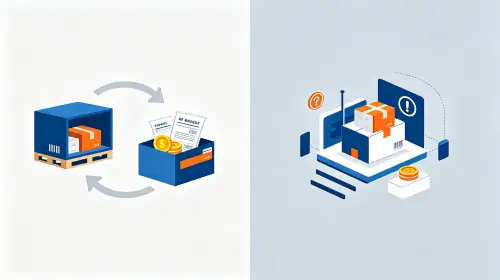
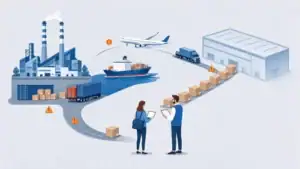
DDP is a trade term under Incoterms 2020. It means the seller covers all costs – transport, export clearance, import clearance, duties, and taxes – until the goods reach the buyer’s specified location. In plain terms, under DDP the buyer has already paid for everything at checkout, and there are no surprise charges when the package arrives.
The opposite is DDU (Delivered Duty Unpaid) or DAP (Delivered at Place). Under DDU, duties and taxes are pushed to the delivery stage – the buyer has to pay them when the goods show up.
The difference in buyer experience is huge. With DDP, the package is “fully paid” upon arrival – the experience is just like buying domestically. With DDU, the buyer is hit with an unexpected bill at the door – and that feels like a bait‑and‑switch.
In 2026, as major economies have rolled back low‑value duty exemptions, the choice between DDP and DDU is no longer a matter of preference. It has become a matter of survival.
Driver 1: Tighter Global Regulations – DDP Is No Longer Optional
Between 2025 and 2026, several major economies made structural changes to their low‑value duty exemptions for cross‑border ecommerce shipments. These policy shifts are fundamentally reshaping the game – and they are the single biggest force behind the rise of DDP.
United States: The de minimis exemption ended
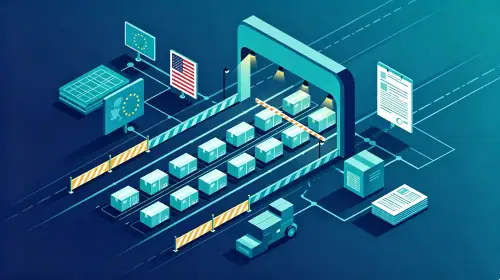
In February 2026, the US formally ended its long‑standing de minimis duty‑free exemption for low‑value shipments. On February 20, 2026, the US President signed an executive order continuing the suspension of de minimis treatment for low‑value shipments from all countries, effective February 24, 2026. From that date, all parcels from China to the US – regardless of value – must go through formal import entry and pay full duties.
After the policy took effect, shipments using DAP or DDU models saw a sharp rise in rejections and holds. Many US small retailers and online sellers do not have their own EIN or a professional clearance team, making it much more expensive and complicated to handle duties and customs inspections themselves. A growing number of purchase orders now explicitly require Chinese suppliers to ship under DDP terms.
Data from multiple Shenzhen‑based cross‑border supply chain companies shows that DDP express lane orders to the US grew by 56% year‑over‑year in Q2 2026, with the strongest increases in home goods, 3C accessories, apparel, and outdoor products. For US end‑buyers, the all‑in DDP model locks in all logistics and duty costs upfront, shielding them from policy‑driven cost fluctuations.
European Union: The duty‑free threshold removed
On July 1, 2026, the EU officially removed its long‑standing low‑value duty exemption for small parcels. Under Council Regulation (EU) 2026/382, a flat temporary customs duty is now applied to B2C consignments valued at a certain threshold or less, shipped from non‑EU countries directly to EU consumers. According to European Commission data, in 2024, a significant number of low‑value cross‑border parcels entered the EU, the vast majority of which came from China.
This change covers the overwhelming majority of EU ecommerce import volumes. DDP is shifting from “optional” to “standard practice” for retailers, as a way to protect conversion rates and maintain first‑delivery success.
The combined effect of global regulatory shifts
The US de minimis termination and the EU threshold removal have come in quick succession. The duty‑free channels in major consumer markets are narrowing fast. The risks and costs of shipping without DDP are now higher than ever.
Driver 2: Customer Experience – DDP Is Becoming Non‑Negotiable
Beyond policy, demand‑side changes are also fuelling the growth of DDP.

“Unexpected duties at delivery” kills customer experience
One of the top reasons international shoppers abandon their carts is that they cannot see the full cost at checkout. With DDP, there are no extra charges at the door – it feels just like a domestic purchase. With DDU, the buyer gets an unwelcome surprise bill. That experience feels deceptive and erodes trust.
In 2026, the baseline for customer experience has moved toward “predictable total cost”. Platforms like Amazon have trained buyers to expect zero surprises at delivery.
DDP directly improves conversion rates
The data bears this out: under DDP, the seller collects all duties and taxes upfront at checkout, and the buyer pays nothing extra on arrival. DDP shipments clear customs faster because the seller has already arranged clearance and prepaid the duties. DDU shipments, by contrast, can sit in customs for days while the carrier tracks down the buyer, collects payment, and processes clearance. Every rejection is not just a lost sale – it also means return shipping costs, restocking costs, and a lost customer.
Driver 3: Ocean Freight DDP Is Going Mainstream
The third driver behind the growth of DDP is coming from the ocean freight side – DDP is moving beyond small‑parcel express lanes and becoming the standard for full‑container ocean shipping.
Full‑container DDP is becoming the backbone for exporters
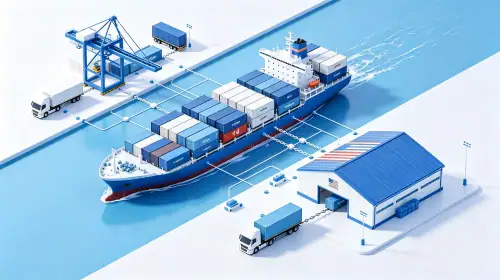
In the second half of 2026, US‑bound full‑container DDP (with both export and import clearance and duty prepayment) has gained strong momentum. It has become the preferred option for factories shipping large volumes and for established trading companies exporting to the US.
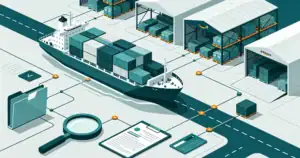
Unlike LCL (less‑than‑container) shipments, full‑container DDP offers an all‑in fixed price covering drayage, packing, ocean transport, export and import clearance, duty payment, and final delivery – with no hidden fees. This removes the uncertainty around duties, miscellaneous charges, and customs clearance that has long plagued exporters.
As the US‑bound logistics network matures, reputable full‑container DDP providers have built integrated services with stable sailing schedules, guaranteed space, and in‑country clearance expertise. This has significantly improved reliability and reduced customs‑related risks. Compared to LCL, full‑container DDP offers a lower per‑unit logistics cost and clear cost‑effectiveness for bulk shipments – making it a strong fit for high‑volume goods like furniture, hardware, apparel, and small home appliances.
Compliant DDP volumes are surging
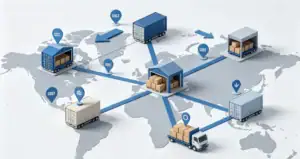
Driven by both the normalisation of US‑China trade and tighter regulatory oversight, compliant door‑to‑door DDP services have seen explosive growth. In Q2 2026, compliant DDP shipments on the US‑bound route from China rose 42% quarter‑over‑quarter, making it the most popular logistics solution for small and medium‑sized traders, Amazon FBA stock‑up, and independent ecommerce sellers.
Compared to traditional DDU, self‑clearance, or LCL models, compliant DDP offers a clear edge. It bundles booking, customs filing, clearance, duty payment, and final delivery into one single service with a transparent all‑in price. Sellers do not need to coordinate multiple vendors or worry about duty fluctuations, clearance delays, or last‑mile issues – which dramatically reduces both the operational and time costs of cross‑border logistics.
Leading logistics providers have now built comprehensive US‑bound compliant DDP service systems, with direct carrier contracts, licensed US‑based clearance teams, proper IOR (Importer of Record) credentials, and full shipment traceability.
Grey‑channel DDP is being squeezed out – compliant DDP is taking its place
Customs authorities in both the US and Europe have stepped up inspections on ocean freight, with a focus on declared values, country of origin, and product certifications. Many low‑cost DDP channels that relied on under‑declaration or mis‑declaration have experienced cargo holds, heavy penalties, and returns. The market is going through a rapid shake‑out – non‑compliant low‑cost channels are being eliminated, while compliant DDP with accurate declarations and complete documentation is entering a period of strong growth.
What This Means for Cross‑Border Sellers

For sellers reconsidering their logistics strategy, the rise of DDP sends a clear message:
The policy window is closing – the US de minimis exemption is gone, and the EU threshold is gone. Relying on DDU or DAP models now carries higher risks and costs than ever.
The customer experience bar has been raised – buyers now expect “what you see is what you pay”. DDU’s “pay at the door” model is becoming an unacceptable gap in the experience.
Ocean DDP is more accessible than ever – as compliant DDP service networks mature, from FCL to LCL, from FBA restocking to B2B trade, DDP is expanding into more and more use cases.
Compliance is the foundation of long‑term competitiveness – the market is rapidly cleaning up, and grey‑channel operators are being pushed out. Choosing compliant DDP is not just about avoiding risk – it is about building a stable, sustainable supply chain for the long haul.
As a logistics provider focused on cross‑border ecommerce, AMZ Shipper keeps a close eye on DDP trends and helps sellers understand the cost structure, compliance requirements, and operational steps of DDP – from full‑container ocean to LCL, so that you can make smarter logistics decisions as global trade rules continue to evolve.
ABout AMZ Shipper
AMZ Shipper has several years of experience for international logistics Freight Forwarding service. Our service is for importer and exporter, foreign freight forwarders, local and abroad business. Export of 1500 of 40HQ per year for FBA Amazon shipping, 15-30tons of air shipments per month.
Member of WCA. Our company is a professional Amazon freight forwarder that specializes in providing comprehensive and efficient services to customers.