When a lot of sellers first get into logistics, they treat “Amazon FBA shipping” and “standard freight forwarding” as the same thing – isn’t it all just moving goods from China to the US?
That misunderstanding leads to a very common outcome: you pick an Amazon FBA forwarder using the same criteria you’d use for a regular one, and then you run into problems with labels, delivery appointments, and inbound defect fees. Your shipment gets rejected at the Amazon FBA warehouse door, or you get hit with a defect fee you never saw coming.
The core difference between the two can be summed up in one sentence: a standard freight forwarder’s finish line is the port. An Amazon FBA forwarder’s finish line is the shelf in an Amazon FBA warehouse. That difference in finish line determines everything else – service scope, expertise, and where the responsibility ends.
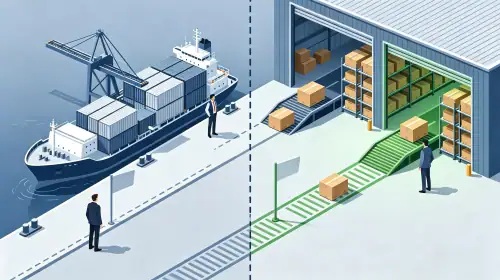
1. The Core Difference Between Amazon FBA Shipping and Standard Freight Forwarding – Different Finish Lines
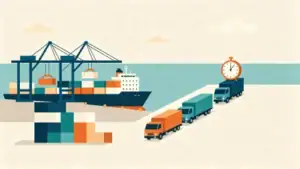
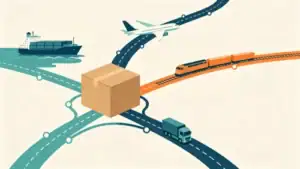
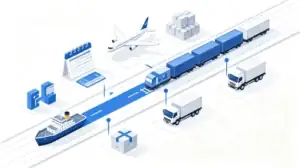
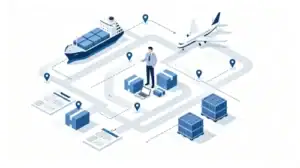
A standard freight forwarder’s job is to move goods from point A to point B – booking space, export customs, transport, arrival at port. Once the cargo reaches the destination port, their work is done. What happens after – import clearance, delivery, warehouse appointments – is either not their concern or comes with extra charges.
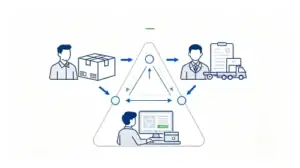
An Amazon FBA forwarder’s job is to get your goods successfully into an Amazon FBA warehouse and through receiving. That means they don’t just handle transport – they also make sure labels are compliant, packaging is compliant, delivery appointments are booked, and tracking information is uploaded. If any one of these steps goes wrong, your shipment can be rejected or hit with inbound defect fees.
This difference in finish line is the foundation for understanding every other difference between the two.
2. What Standard Freight Forwarding Covers in Amazon FBA Shipping – and What It Doesn’t
Let’s start by clarifying what a standard freight forwarder does and doesn’t do.
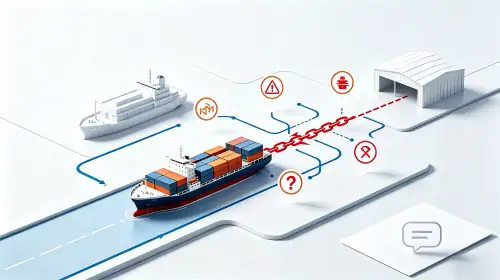
What a standard freight forwarder typically covers:
-
Booking space (ocean/air)
-
Export customs clearance
-
International transport
-
Destination port operations
-
Basic port-to-port transport
What a standard freight forwarder typically does NOT cover:
-
FNSKU labeling and Amazon FBA packaging compliance
-
Carton label specification checks
-
Carrier Central delivery appointments
-
Amazon FBA warehouse receiving requirement verification
-
Inbound defect fee prevention
Key reminder: a standard freight forwarder’s quote usually covers only the port-to-port segment. Destination clearance, delivery, and warehouse appointments are often charged separately – or not offered at all. A lot of sellers only discover this when the final invoice arrives. What’s worse, if your goods are headed to an Amazon FBA warehouse, a standard forwarder might not even know what a “delivery appointment” is – your cargo shows up at the warehouse door and can’t get in.
3. What Amazon FBA Shipping Adds on Top of Standard Freight Forwarding
Amazon FBA shipping adds five key layers on top of what a standard forwarder provides.
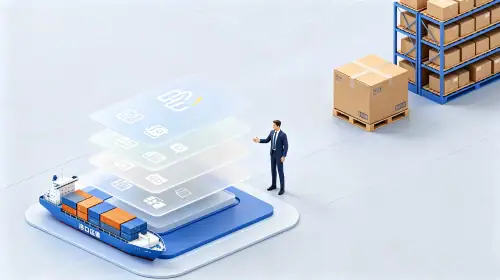
1. Compliance at origin
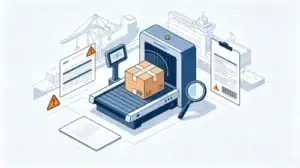
An Amazon FBA forwarder needs to confirm labels, packaging, and carton specs meet Amazon FBA requirements before goods leave the factory. After FBA prep services ended in 2026, this layer has become even more critical – labels must be applied at origin. Get them wrong, and it’s rejection.
2. FBA-specific labeling and packaging knowledge
Where do FNSKU labels go? How many carton labels per box? What’s the max weight per carton for US sites? What’s the side length limit? A standard forwarder may not know these details. An Amazon FBA forwarder must.
3. Delivery appointment capability
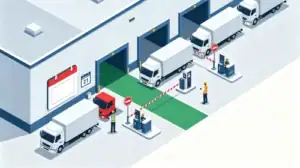
Amazon FBA warehouses don’t accept unscheduled deliveries. An Amazon FBA forwarder books delivery appointments through Carrier Central in advance. A standard forwarder typically doesn’t offer this service.
4. Inbound defect fee prevention
Inbound defect fees have shot up in 2026. An Amazon FBA forwarder’s value isn’t just getting your goods there – it’s making sure they don’t generate defect fees. That requires getting labels and packaging right at origin.
5. Staying in sync with Amazon FBA rules
Amazon FBA rules change every year. In 2026, FBA prep services ended, new FNSKU label rules took effect, and inbound defect fees went up. An Amazon FBA forwarder needs to track these changes proactively and alert you. A standard forwarder typically doesn’t pay attention.
4. Amazon FBA Shipping vs Standard Freight Forwarding – A Comparison Table
| Dimension | Standard Freight Forwarder | Amazon FBA-Specialised Forwarder |
|---|---|---|
| Finish line | Destination port | Amazon FBA warehouse receiving complete |
| FNSKU labeling | Not handled | Coordinated or completed at origin |
| Carton label specs | Not checked | Checked and confirmed compliant |
| Carrier Central appointments | Not offered | Provided |
| Inbound defect fee prevention | Not involved | One of the core services |
| 2026 rule tracking | Not monitored | Proactively flagged |
| Quote coverage | Usually port-to-port only | Usually door-to-door, full chain |
The bottom line: a standard forwarder does “transport.” An Amazon FBA forwarder does “transport plus compliance plus warehouse receiving.” The extra cost corresponds to the extra steps and responsibility. That’s also why Amazon FBA forwarders usually quote higher – not because they’re expensive, but because their service scope is broader and their responsibility is heavier.
5. Why This Difference Matters More in 2026
Several changes in 2026 have made the gap between Amazon FBA forwarders and standard forwarders even more significant.
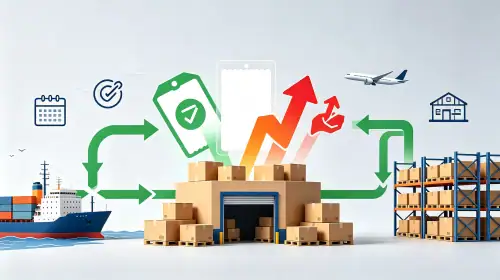
Change 1: FBA prep and labeling services are completely gone
Ended for US sites on January 1, 2026, and for European sites on July 1, 2026. Previously, if labels were wrong, Amazon could fix them for you – that’s no longer an option. Labels must be applied at origin. Get them wrong, and it’s rejection or defect fees.
Change 2: New FNSKU label rules
As of March 31, 2026, non-brand-registered sellers must use FNSKU labels. Manufacturer barcodes are no longer accepted.
Change 3: Inbound defect fees have shot up
Fines for labeling errors, oversized cartons, and missing tracking info have increased significantly. What used to be a minor penalty can now eat into the profit of an entire shipment.
What this means: a standard forwarder’s “get it to the port” service model is no longer enough in 2026. Your goods need a full-chain compliance service that goes from factory to Amazon FBA shelf.
6. When Do You Actually Need an Amazon FBA-Specialised Forwarder?
Not every situation requires an Amazon FBA-specialised forwarder. Here’s how to judge.
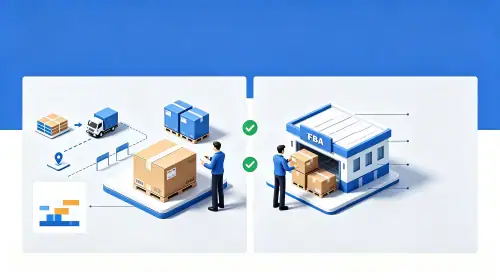
When an Amazon FBA-specialised forwarder makes sense:
-
Your goods are headed to an Amazon FBA warehouse and need a delivery appointment
-
Your supplier can’t handle labeling well, and you need the forwarder to help at origin
-
Your product requires proper DDP customs clearance
-
You don’t have time to study Amazon FBA’s labeling and packaging requirements yourself
When a standard forwarder might be enough:
-
Your goods are going to an overseas warehouse, not directly to Amazon FBA
-
You already have a mature labeling and packaging process and don’t need the forwarder’s help
-
Your forwarder only handles port-to-port, and other service providers handle the rest
The key judgment: if your goods’ destination is an Amazon FBA warehouse, choosing a forwarder who understands Amazon FBA rules is more cost-effective than choosing a cheaper standard forwarder – because the cost of inbound defect fees and rejections far outweighs the freight price difference.
7. How to Tell If Your Forwarder Really Understands Amazon FBA
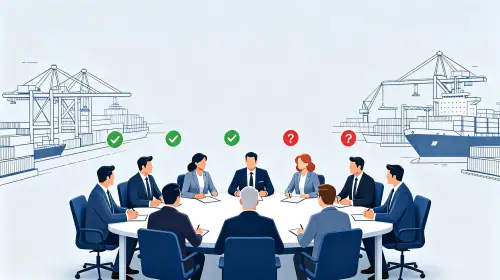
Here are some questions that can help you tell whether the other party is a true Amazon FBA-specialised forwarder:
-
Where do FNSKU labels go? What are the size requirements?
-
What’s the max weight per carton for US sites? What’s the side length limit?
-
Do you handle Carrier Central delivery appointments?
-
After FBA prep services ended in 2026, how do you handle labeling?
-
If labels are applied wrong and cause inbound defect fees, how is responsibility divided?
If they can answer these questions specifically and accurately, they’ve genuinely handled Amazon FBA shipments. If their answers are vague or they can’t answer at all, they’re just treating Amazon FBA shipments as regular cargo.
Choose a logistics partner who can answer these questions accurately and provides origin labeling coordination and packaging compliance checks. For example, AMZ Shipper focuses on cross-border logistics for Amazon sellers, offering support across origin labeling coordination, destination clearance, and last-mile delivery. But whoever you choose, the key is finding a team that genuinely understands Amazon FBA inbound rules and can clearly explain their service scope – not a forwarder that treats Amazon FBA shipments like any other cargo.
In 2026, Amazon FBA logistics is no longer just about moving boxes – it’s about moving them through a compliance maze. The difference between a standard forwarder and an Amazon FBA forwarder is essentially the difference between “transport” and “transport plus compliance plus warehouse receiving.” Once you understand that difference, you’ll stop picking a forwarder based on the quote alone.