If you sell on Amazon, you can hardly avoid FBA. Handing your inventory over to Amazon is convenient—storage, packing, shipping, customer service—they handle it all. But the trade-off is that FBA’s fee structure has become increasingly complex. Especially in 2026, Amazon rolled out a major update to its FBA fee system. On the surface, the […]
If you sell on Amazon, you can hardly avoid FBA. Handing your inventory over to Amazon is convenient—storage, packing, shipping, customer service—they handle it all. But the trade-off is that FBA’s fee structure has become increasingly complex.
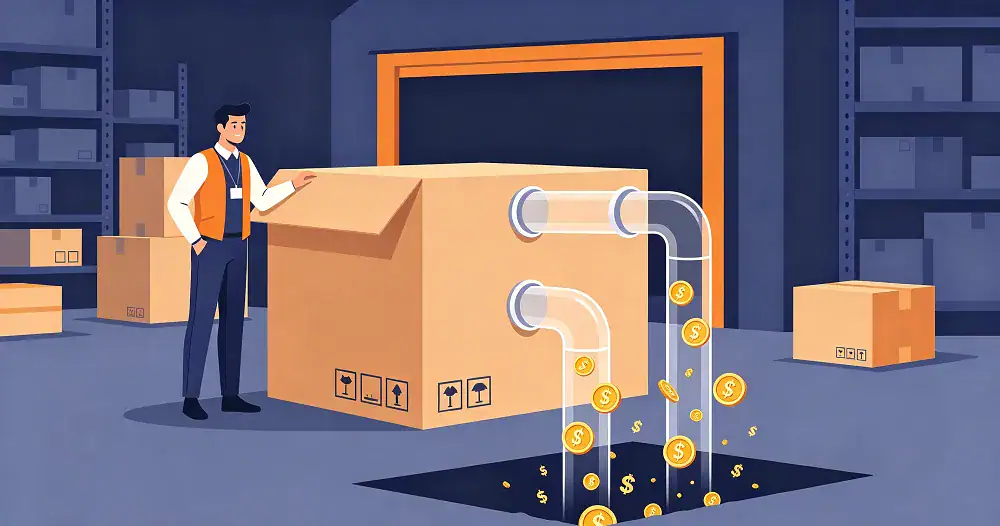
Hidden FBA fees quietly erode seller profits across inventory lifecycle.
Especially in 2026, Amazon rolled out a major update to its FBA fee system. On the surface, the official line is “an average increase of just $0.08 per unit.” But if you look closer, all sorts of charges—Inbound Placement Fees, Aged Inventory Surcharges, Low-Inventory Fees, Fuel & Inflation Surcharges—keep piling up. Many sellers are finding their profits quietly drained away by these “invisible pipes.”
In this article, we’ll walk through an FBA shipment’s entire lifecycle—from inbound to storage, then to fulfillment and returns—and break down exactly where every dollar goes.
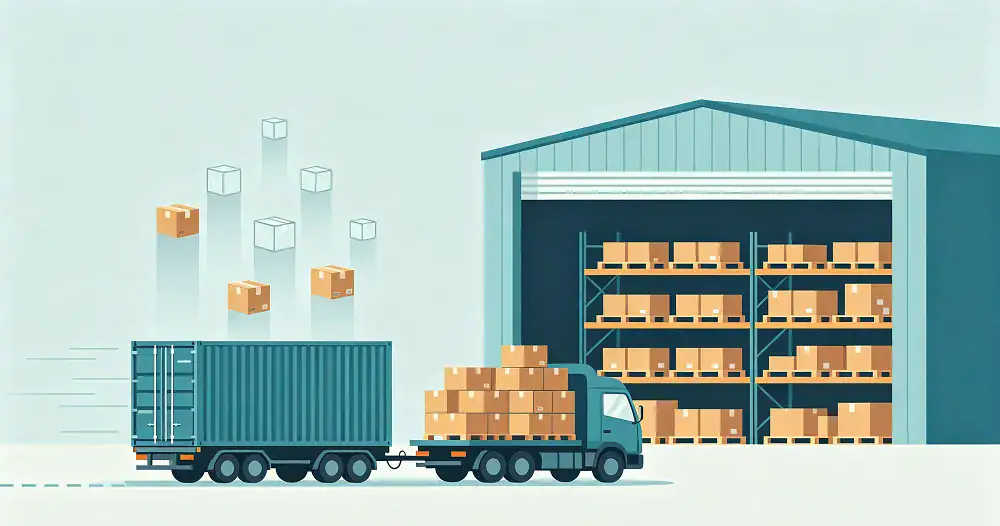
Shipments move from port to warehouse while invisible fees accumulate early.
Part 1: Inbound Stage—Money Starts Flowing Before Your Goods Even Reach the Shelves
Many sellers focus their attention on storage and fulfillment costs, overlooking the fact that the “last mile” from the port of entry to the FBA warehouse is actually packed with fee traps.
Inbound Placement Fee
Starting in March 2026, this fee was fully detailed and rolled out across the board. In essence, Amazon charges this to distribute your inventory across multiple warehouses for better delivery efficiency.
Sellers have three options, and the cost difference is huge:
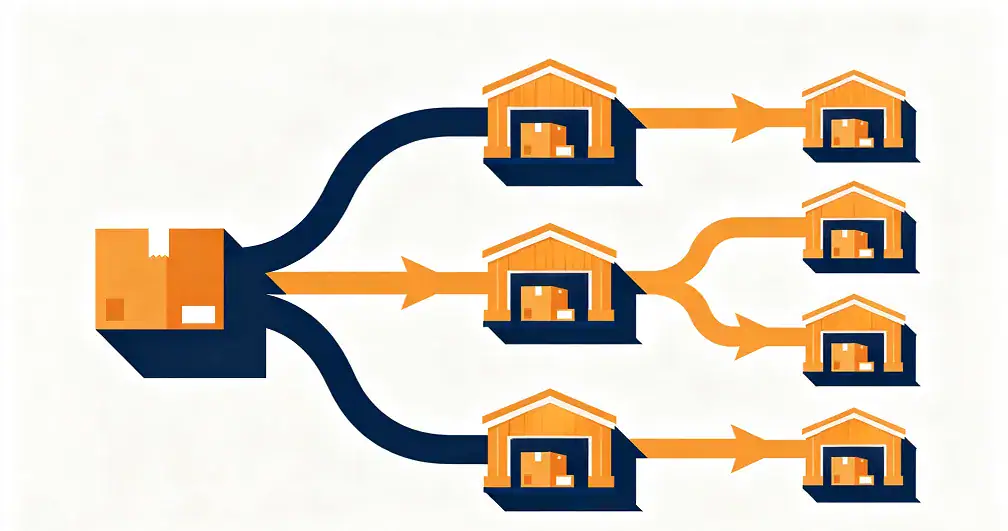
Minimum Shipment Splits: Send to just one warehouse—easiest but most expensive. For a standard-size small item, you could be looking at a noticeable cost per unit.
Partial Shipment Splits: Send to 2-3 warehouses—moderate cost.
Amazon-Recommended Shipment Splits: Send to 4 or more warehouses as advised—completely waives the fee.
What’s new for 2026 is that the fee structure is more granular, especially for “large standard-size” items between 3 and 20 pounds, with new weight brackets and varied rates.
Inventory routing choices create different cost distributions across warehouses.
Inbound Defect Fee
If your shipment arrives late, goes to the wrong warehouse, or gets rejected, you’ll be hit with this penalty. Starting in 2026, Amazon simplified the rules by consolidating multiple violations into a single fee, averaging about $0.60 per unit.
It may not sound like much per item, but if an entire batch runs into issues, the total cost adds up fast.
International Shipping: Dimensional Weight Is the Real Cost Driver
This covers transportation from your departure point to the destination port—and it’s where AMZ Shipper comes in. But here’s the catch: the biggest variable in shipping cost is often not the actual weight, but the “dimensional weight” (also called volumetric weight).
Carriers (including Amazon) compare actual gross weight with dimensional weight and charge based on whichever is larger.
The formula usually looks like this: Dimensional Weight (kg) = Length(cm) × Width(cm) × Height(cm) ÷ 6000 (common for sea freight).
What does this mean in practice? If your carton has a lot of “air” inside, you’re paying for that air—literally.
Cost Comparison: Different Packaging Options
Option A: Loose Packaging
Option B: Optimized Packaging
Carton Size (inches)
14 × 14 × 14
12 × 12 × 12
Dimensional Weight (lbs)
(14×14×14) / 139 ≈ 19.4
(12×12×12) / 139 ≈ 12.5
Shipping Cost Change
Baseline
Saves about 35%
Just by shrinking each side of the box by 2 inches, you can cut shipping costs per carton by more than a third.
How AMZ Shipper helps: We provide professional packaging reviews and optimization advice. By adjusting carton sizes, choosing lighter but stronger materials (like switching from AB to EB flute), we help sellers minimize dimensional weight—saving you real money from the very first leg of the journey.
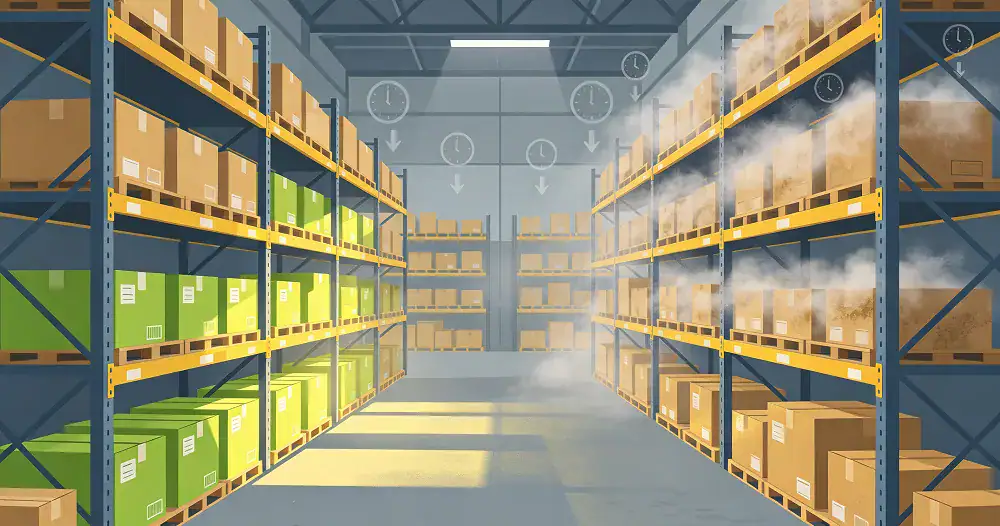
Warehoused inventory sits longer, accumulating storage and aging surcharges over time.
Part 2: Storage Stage—Inventory Is an Asset, But Also a Liability
Once your goods are checked into an FBA warehouse, every single day they sit there costs you. And the 2026 rule changes have fundamentally shifted how storage costs work.
Monthly Storage Fees
This is the most basic storage cost, charged monthly based on the average daily volume (cubic feet) your inventory occupies. Rates vary by season:
Off-peak (Jan–Sep): Around $0.78 per cubic foot for standard-size items.
Peak (Oct–Dec): Rates jump significantly—often two to three times the off-peak rate.
Aged Inventory Surcharge
This is the change that hurts the most in 2026.
The big shift: the threshold dropped from 365 days to just 181 days.
Before, you had about 9 months (roughly 271 days) before any surcharge kicked in.
Now, once inventory sits for more than 181 days (about 6 months), you start paying extra.
And it gets steeper: once inventory exceeds 365 days, the surcharge can be up to 13 times the base monthly storage fee. A product with a $10 monthly storage fee could cost you an extra $130 per month in surcharges alone after a year of sitting.
Comparison: Old vs. New Aged Inventory Surcharge
Old Rules (Before 2026)
New Rules (Effective July 2026)
Trigger Point
271–365 days
181 days
Maximum Surcharge
Baseline rates
Up to 13× the monthly storage fee
Core Impact
Manageable for slow movers
Forces faster turnover; slow items get expensive fast
The message is loud and clear: FBA warehouses are fulfillment centers, not long-term storage. The old strategy of stockpiling inventory and waiting for a seasonal spike just won’t work the same way anymore.
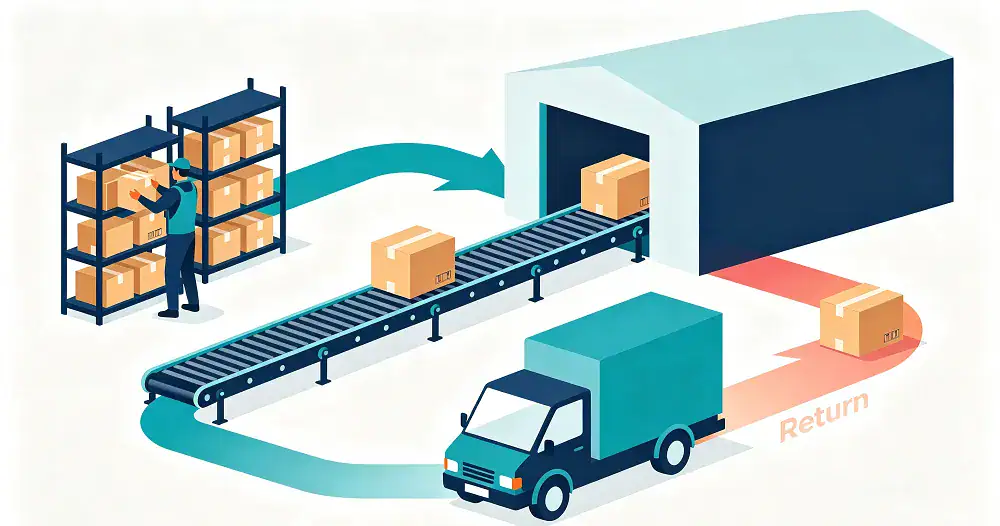
Orders move through picking, packing, shipping, and costly return processing.Orders move through picking, packing, shipping, and costly return processing.
Storage Utilization Surcharge
If your inventory turns over slowly and your storage utilization rate is high (e.g., exceeding 22 weeks), Amazon will slap an extra surcharge on top of your monthly storage fee.
Part 3: Fulfillment and Returns—Every Order Comes with a Price Tag
Once a product sells, FBA swings into action. And this is where the costs really start stacking up.
FBA Fulfillment Fee
For every item sold, Amazon charges a fee that covers order processing, picking, packing, and shipping. The rate depends on the product’s size tier and shipping weight.
Key changes in 2026:
Standard-size items: Slight adjustments overall, but higher-priced, bulkier items may see more noticeable increases.
Large/bulky items: Big changes here. The old “large bulky” tier has been split into “small bulky” and “large bulky,” each with its own pricing.
Low-Inventory Fee
This is a “reverse incentive” charge. If your inventory level for a product stays below 28 days of historical supply, Amazon will charge an extra fee on every single sale made while inventory is low.
In 2026, this fee now applies at the individual FNSKU level, rather than the parent ASIN level. That means you can’t rely on a popular variation (like one color or size) to “lift” the entire family’s average inventory. Each individual variation must maintain its own safe stock level—otherwise, it gets penalized separately.
So you’re squeezed from both ends: Too much inventory? Aged surcharge. Too little? Low-inventory fee. The “safe zone” for sellers is shrinking fast.
Returns Processing Fee
For products with return rates above a certain category threshold, Amazon charges a returns processing fee. For apparel and footwear, every single return incurs this fee.
Fuel & Inflation Surcharge
Starting April 2026, Amazon added an extra 3.5% surcharge on top of every FBA fulfillment fee. This is a year-round cost that’s here to stay.
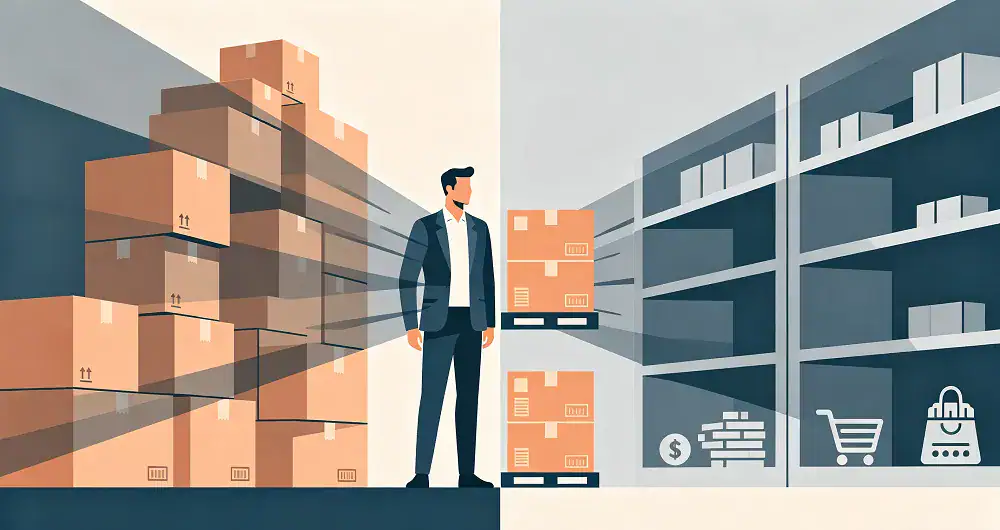
Sellers face pressure between overstock surcharges and low-inventory penalties.
Part 4: New Costs to Watch in 2026
Beyond the core fees above, here are a few additional or newly introduced charges to keep on your radar:
Bulky SIPP Packaging Fee: If you sell large/bulky items and haven’t enrolled in the “Ships in Product Packaging” (SIPP) program, Amazon will charge you an extra $1.51 to $4.04 per unit for providing packaging assistance.
Prep Service Discontinued: As of January 1, 2026, Amazon stopped offering labeling, bagging, and other prep services. This means all inventory must arrive at the warehouse fully prepped and labeled. If not, it’ll be rejected or you’ll face defect fees.
ABout AMZ Shipper
AMZ Shipper has several years of experience for international logistics Freight Forwarding service. Our service is for importer and exporter, foreign freight forwarders, local and abroad business. Export of 1500 of 40HQ per year for FBA Amazon shipping, 15-30tons of air shipments per month.
Member of WCA. Our company is a professional Amazon freight forwarder that specializes in providing comprehensive and efficient services to customers.