The European e-commerce market has always been a battlefield. But if you’re selling on Amazon UK, Germany, France, Italy, or Spain, you already know the drill—skyrocketing ad costs, shrinking margins, and a never-ending stream of new competitors. The truth is, these core marketplaces are overcrowded.
So where do you turn? Amazon itself has been quietly pushing two “emerging” European sites: Poland and Belgium. And no, this isn’t just about chasing the next shiny object. It’s a strategic move that requires smart supply chain decisions and a clear logistics roadmap. Let’s break it down.
Why Poland and Belgium? The Growth Engines You Might Be Overlooking
Before we dive into shipping strategies, let’s get one thing straight: these aren’t second-tier markets. They each offer unique advantages that smart sellers can leverage.
Poland: Central Europe’s Logistics Hub
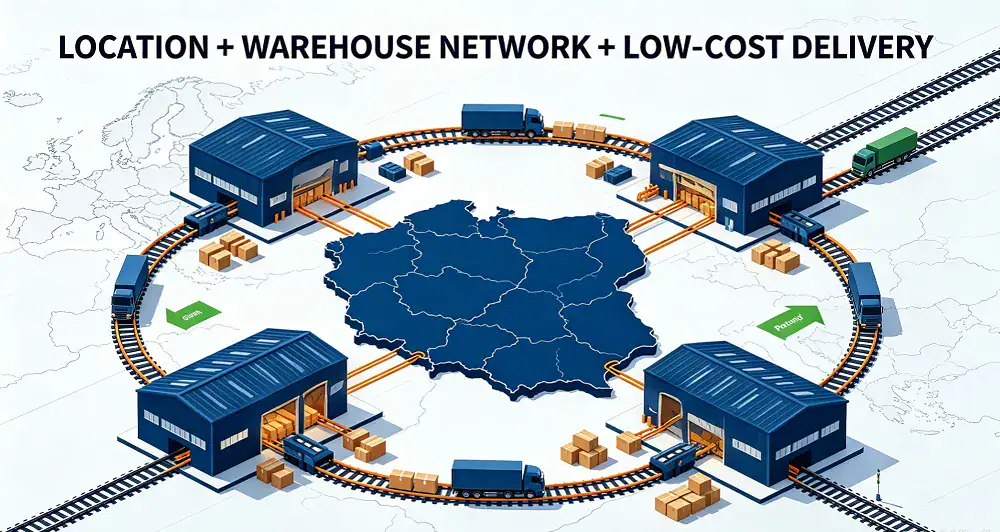
Poland’s biggest draw? Location and cost. With nearly 38 million people and a healthy e-commerce growth rate, it’s already a sizable market. But here’s the kicker—Amazon has invested heavily here, with 11 fulfillment centers across the country. Once you start using Polish inventory through the Pan-European (Pan-EU) program, you get access to local delivery rates that are reportedly much lower than in Germany. For sellers dealing with bulky or heavy items, this alone can be a game-changer for your bottom line.
Belgium: A Low-Commitment Gateway to Wealthy Western Shoppers
Belgium tells a different story. Its strength lies in high spending power and low compliance barriers. Belgian shoppers have money to spend, and here’s the good news—you can start selling there right now without registering for a Belgian VAT number. By using the European Fulfilment Network (EFN), you can ship from your existing German or French inventory and test the waters with almost zero extra paperwork. It’s basically a “try before you fully commit” scenario.
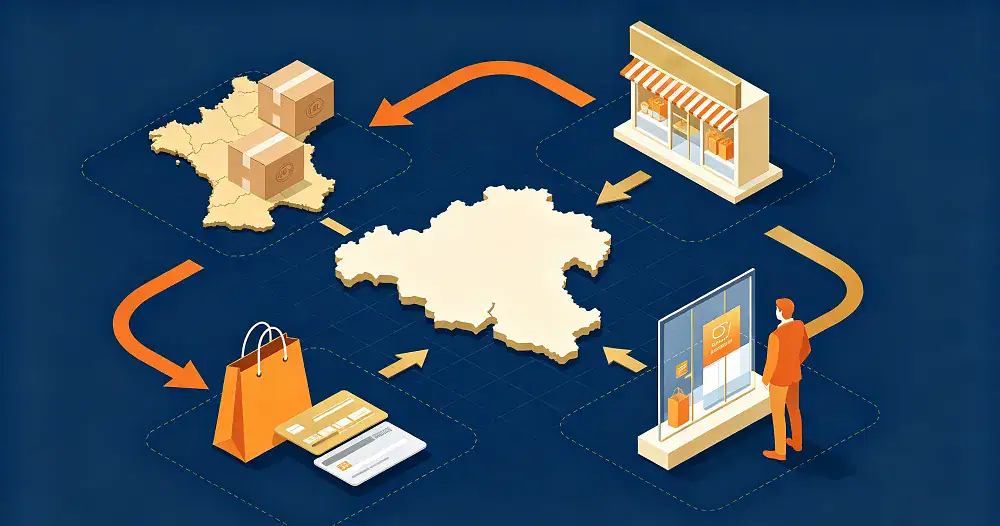
Here’s a quick side-by-side comparison to make things clearer:
| Feature | Poland | Belgium |
|---|---|---|
| Logistics Edge | Lots of local warehouses; very competitive delivery fees | Great location; can easily share stock from nearby countries |
| VAT Requirement | Must have a Polish VAT number to use local storage | No local VAT needed when using EFN |
| Best For | Sellers of heavy/bulky goods; cost-optimizers | Brand owners; sellers testing Western Europe |
| Typical Setup | Ship directly to Poland FBA, activate Pan-EU | Ship to DE/FR FBA, then use EFN or Pan-EU |
The Core Logistics Choice: Pan-EU vs. EFN
Once you’ve picked your market, the next question is: how do you actually get your products there? Amazon gives you two main tools, and choosing the right one makes all the difference.
Pan-EU lets you send your inventory to just one or two countries (say, Germany and Poland). Amazon then spreads your stock across its European warehouses automatically. The catch? You need valid VAT numbers in at least two countries where you want inventory placed.
EFN is simpler. You keep everything in one country (like Germany) and use that single pool of stock to fulfill orders from other European sites. But you’ll pay a cross-border fee for each order.
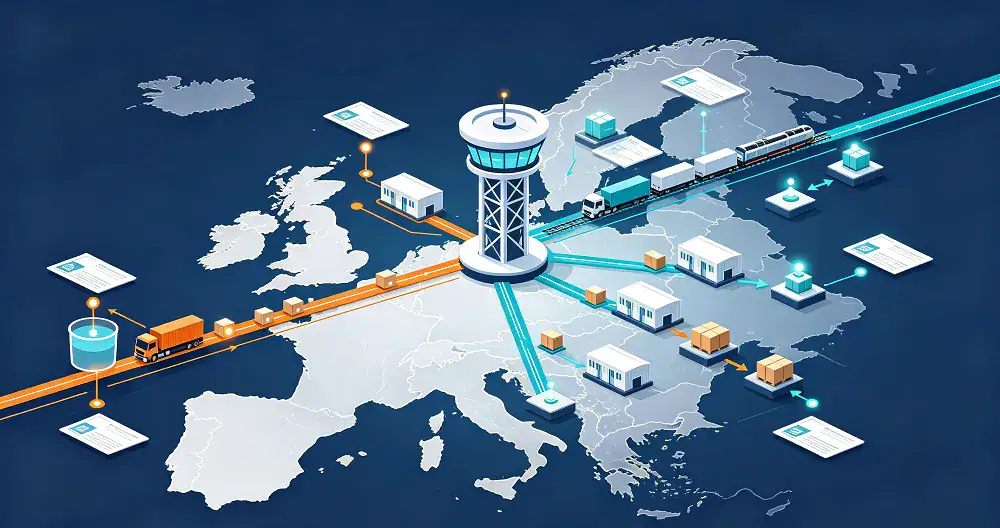
Here’s how this plays out for Poland and Belgium:
-
For Poland: Go All-In on Pan-EU
-
The ideal move: Get that Polish VAT number and enable Polish inventory in Pan-EU. This unlocks the cheapest local delivery rates across Central Europe. Your shipping costs drop, your delivery speed improves, and your customers are happier. It’s a win-win-win.
-
The backup plan: If you’re not ready for Polish VAT, you can still use EFN from Germany. Just know that cross-border fees will eat into your margins. Only use this as a temporary workaround.
-
-
For Belgium: Start with EFN, Scale with Pan-EU
-
Best for beginners: Ship your products to Germany or France, turn on EFN, and start selling in Belgium immediately. Zero local VAT headaches. Perfect for testing product-market fit.
-
Leveling up: Once you see consistent sales, and if you’re already using Pan-EU across core countries, Amazon’s system will often route Belgian orders from nearby DE or FR warehouses at regional rates—lower cost, faster delivery.
-
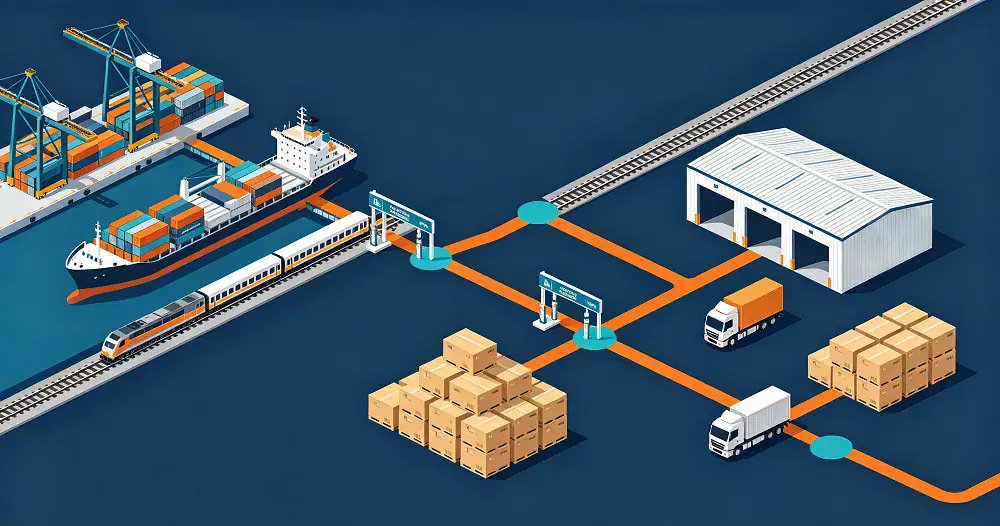
How AMZ Shipper Designs Your Shipping Route
Now let’s get practical. Based on the strategies above, here’s how we at AMZ Shipper would map out your head-haul logistics. Our job is to handle the complexity so you can focus on what you do best—selling.
For Poland: Balancing Speed and Cost
-
Shipping mode: Rail freight (China-Europe Railway Express) is the sweet spot here. Faster than sea freight, cheaper than air, and reliable enough for regular restocking. For large-volume, non-urgent shipments, sea freight remains the most budget-friendly choice.
-
Customs & delivery: Poland has a mature customs system. We handle Polish import clearance for you, making sure everything is above board. After clearance, our local trucking partners take over and deliver your goods straight to the Amazon warehouse.
-
What you need to do:
-
Have your valid Polish VAT number ready before shipping.
-
Double-check that your carton labels meet Amazon Poland’s requirements.
-
For Belgium: Flexibility First
-
Shipping mode: Since you’re likely shipping to Germany or France first, sea freight is the most cost-effective primary move. Your cargo usually lands at major European ports like Rotterdam or Antwerp.
-
Customs & transshipment: We handle customs clearance right at the port. From there, your goods move via European rail or truck networks to your chosen FBA warehouse in Germany or France.
-
The bigger picture: This approach is all about strategic positioning. We help you place your inventory in warehouses that can efficiently cover Belgium, Germany, and France simultaneously—maximizing your EFN effectiveness.
Compliance and Cost Realities You Can’t Ignore
Let’s be real—new markets come with new rules. Ignoring them isn’t an option.
-
VAT Compliance Is Non-Negotiable
-
Using Polish storage (i.e., enabling Polish inventory in Pan-EU) absolutely requires a valid Polish VAT number. No shortcuts, no exceptions.
-
Selling into Belgium via EFN? For now, you can skip Belgian VAT. This is a valuable grace period, so use it wisely. But if your volume grows to the point where you need local Belgian stock, you’ll eventually need to register.
-
-
Product Safety Rules Apply Everywhere
-
Both Poland and Belgium follow EU-wide product regulations. That means CE marks, compliance with relevant directives, packaging regulations (especially if shipping from Germany or France), and WEEE registration for electronics. Missing any of these can get your goods stuck at customs—or worse.
-
-
Fuel Surcharges Are Here to Stay
-
Starting April 2026, Amazon is adding a fixed fuel and inflation surcharge to FBA fees across all European sites, including Poland and Belgium. This isn’t optional, and it’s not going away. You need to bake this into your long-term cost planning.
-
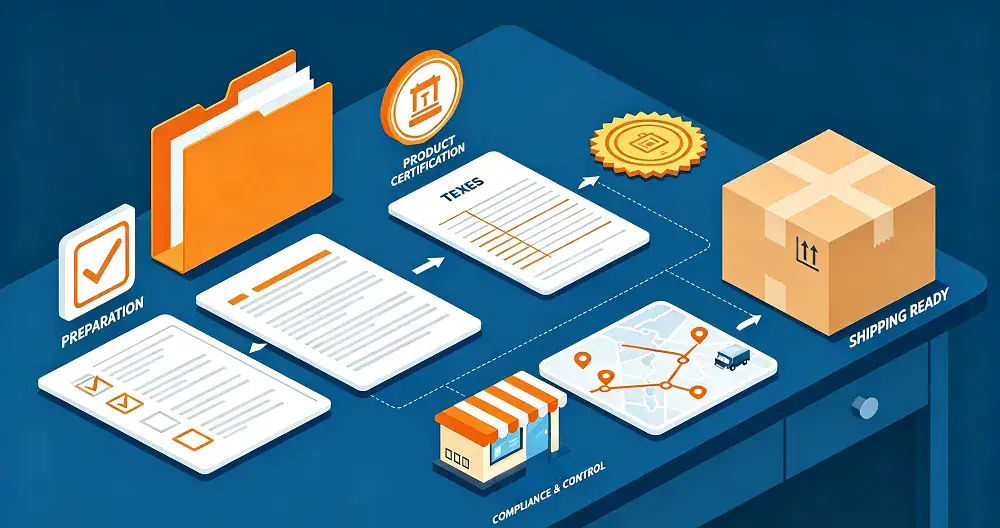
Your Action Plan: From Zero to Selling in New Markets
Ready to move forward? Here’s a clear, step-by-step checklist to get you started without getting overwhelmed.
Phase 1: Research and Preparation
-
Use market intelligence tools to check search volume and competition for your products in Poland and Belgium.
-
Talk to your tax advisor about the cost and timeline for registering a Polish VAT number.
-
Pick a small batch of SKUs for your test run—ideally items that are compact, high-value, or already proven in other European markets.
Phase 2: Shipping and Launch
-
Reach out to AMZ Shipper for a customized shipping plan (sea or rail) with clear cost estimates and delivery timelines for your target warehouses.
-
Make sure every product has its CE, WEEE, packaging compliance, and other certifications in order.
-
Prepare your product listings in the local languages (Polish for Poland; French, Dutch, or English for Belgium).
Phase 3: Monitor, Analyze, and Optimize
-
Activate EFN or Pan-EU in Seller Central and start accepting orders.
-
Keep a close eye on order volume, delivery performance, and return rates. Compare these against your core markets.
-
Run the numbers: total logistics cost (head-haul + last-mile + surcharges) plus VAT and compliance expenses. Calculate your true profit margin per unit. This data will tell you when it’s time to scale up.
With a well-thought-out plan and careful execution, you can sidestep the brutal competition in the crowded core markets and carve out a profitable space for yourself in Europe’s up-and-coming e-commerce frontiers. The opportunity is there—it’s just a matter of making the right moves.
ABout AMZ Shipper
AMZ Shipper has several years of experience for international logistics Freight Forwarding service. Our service is for importer and exporter, foreign freight forwarders, local and abroad business. Export of 1500 of 40HQ per year for FBA Amazon shipping, 15-30tons of air shipments per month.
Member of WCA. Our company is a professional Amazon freight forwarder that specializes in providing comprehensive and efficient services to customers.