The Amazon FBA landscape in 2026 looks very different from just a couple of years ago. Between platform fee adjustments, shifting trade policies, and fiercer competition, sellers who stick to their old playbooks are finding profits harder to come by. The reality is clear: relying on a single market or a single sourcing strategy is no longer a safe bet. Building a more flexible, diversified supply chain has shifted from a “nice-to-have” to a survival necessity.
I. The Squeeze on Profits: Three Cost Hurdles FBA Sellers Face in 2026
This year has brought a wave of cost increases that hit sellers from multiple angles at once. None of these changes exist in isolation—they build on each other, fundamentally reshaping the profitability of the FBA business model.
1. Platform Fees Keep Climbing
Amazon rolled out one of its most significant fee restructurings in 2026. Beyond the average $0.08 per-unit increase in fulfillment fees, sellers are now dealing with several new charges:
-
A 3.5% fuel and inflation surcharge kicked in on April 17, 2026, applied to all FBA fulfillment fees across US and Canadian marketplaces. This adds a measurable cost to every single order.
-
Inbound placement fees have spiked dramatically. What used to cost between $0.02 and $0.07 per unit for non-compliant or special-handling shipments now ranges from $0.32 to $5.72 per unit. The good news is that sellers can significantly reduce this by choosing optimized inventory distribution—spreading shipments across multiple fulfillment centers.
-
Aged inventory surcharges are stricter than ever. The storage duration threshold has been shortened from 365 days to just 181 days. For inventory aged over 15 months, the surcharge can reach up to 13 times the standard monthly storage fee. Amazon’s message is unmistakable: FBA warehouses are designed for fast turnover, not long-term storage.
2. Tariff and Trade Policy Reshape Cost Structures
Tariff policies continue to evolve in ways that directly impact sourcing decisions. While the peak tariff levels seen earlier were adjusted, a baseline duty structure remains in place for many goods imported from China. The elimination of the de minimis exemption (the $800 threshold for duty-free entry) means that nearly all commercial shipments now incur duties upon entry into the US. An example often cited in the industry: a product that enjoyed a 28% profit margin in 2024 could see that figure shrink to single digits by 2026 after accounting for the cumulative effect of new fees and tariffs.

3. Compliance and Operational Complexity Add to the Burden
Starting in 2026, Amazon no longer offers labeling and prep services at its fulfillment centers. Sellers must ensure these tasks are completed by themselves or their third-party logistics providers before shipment arrival. Meanwhile, Amazon has stepped up its fight against review manipulation, using AI systems to detect and remove suspicious reviews. Compliance is no longer optional—it’s a prerequisite for staying in the game.
The Bottom Line: Industry estimates suggest that total Amazon-related costs—including advertising, FBA fees, and operations—can now eat up 45% to 55% of a seller’s revenue. That’s a staggering number that demands serious attention.
II. Shifting Strategies: From a Single “Best” Solution to a Diversified Mix
The challenges above are pushing successful sellers to abandon the idea of a one-size-fits-all approach. Instead, they’re adopting more nuanced, multi-pronged strategies.
1. Supply Chain Diversification: “China Plus One” Moves from Nice-to-Have to Essential
For years, China was the default sourcing destination for most sellers. Now, the combination of tariff pressures and supply chain risks is making diversification a strategic necessity.
-
Vietnam has emerged as a strong complementary sourcing hub, particularly for electronics and furniture. Its manufacturing sector is scaling up quickly.
-
India offers deep expertise in specific categories like leather goods, textiles, and handcrafted items, where its traditional manufacturing strengths shine.
-
Mexico is gaining attention for its “nearshoring” advantages. With ground shipping taking just 4 to 8 days to reach the US—compared to 25 to 35 days by sea from Asia—Mexican sourcing can dramatically reduce inventory holding requirements and storage fees. This makes it especially attractive for fast-fashion or seasonal goods.
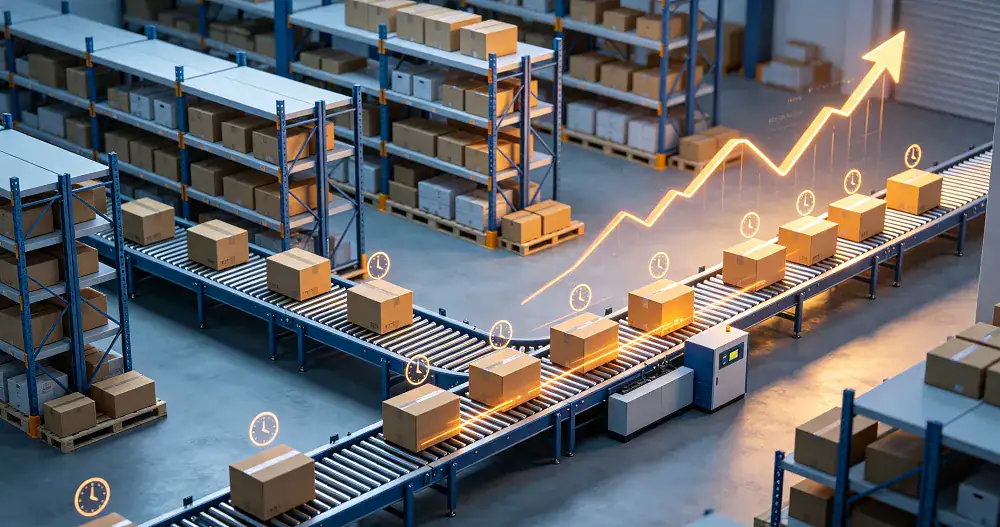
2. Blended Fulfillment Models: Finding the Right Balance Between FBA, FBM, and Third-Party Warehouses
Not every product is a good fit for FBA. In 2026, a blended fulfillment strategy is emerging as a key cost-optimization tool.
-
FBA (Fulfillment by Amazon) remains the top choice for products that benefit most from the Prime badge, which typically boosts conversion rates by 15–30%. It works best for high-turnover, small, and standard-sized items.
-
FBM (Fulfillment by Merchant) or SFP (Seller Fulfilled Prime) can be a smarter choice for large, heavy, or slow-moving products. By fulfilling orders yourself, you can sidestep FBA’s hefty storage fees and inbound defect charges, preserving your margins.
-
Third-party overseas warehouses are becoming a popular alternative, especially for sellers of medium to large items. They offer several advantages:
-
More predictable storage costs compared to FBA.
-
Flexibility to fulfill orders across multiple channels—Amazon, Walmart, eBay, or your own website—from a single inventory pool.
-
Value-added services like labeling, inspection, and repackaging.
-

3. Smarter Inventory Management: Moving from “Throw Spaghetti at the Wall” to Data-Driven Precision
The new fee structure in 2026 leaves no room for guesswork in inventory management. Both low-stock fees and aged inventory surcharges push sellers toward more disciplined practices.
-
Set up a scientific replenishment model. Instead of relying on gut feelings, base your reorder points on historical sales data, seasonal trends, supplier lead times, and current shipping durations. These variables vary significantly depending on your sourcing country, so treat them as dynamic inputs rather than fixed numbers.
-
Regularly phase out “loss-making ASINs.” Use Amazon’s profit analysis dashboard and FBA inventory reports to identify products where total costs consistently outpace revenue. Keeping these items in stock only drains your cash flow.
-
Leverage available tools. Amazon’s updated Fee Preview Report and Revenue Calculator can help you simulate different scenarios before committing to a shipment, giving you a clearer picture of potential costs and margins.
III. How a Strategic Logistics Partner Adds Value
Navigating this complex environment is tough enough without having to worry about every shipping detail. A reliable logistics partner doesn’t just move boxes—they help you execute your broader supply chain strategy. Here’s how a capable partner can make a tangible difference:
-
Cost Optimization Across the Board
By consolidating ocean and air freight from primary ports in China, Vietnam, or other sourcing hubs, and integrating with US-based trucking networks, a good partner helps you find the best cost combination for FBA inbound and overseas warehousing. The goal is to offset rising tariffs and platform fees by keeping your logistics spend as lean as possible. -
Reliability and Efficiency You Can Count On
With Amazon’s stricter inbound requirements and unpredictable shipping conditions, having a partner with established carrier relationships and operational expertise is invaluable. They ensure your goods arrive compliant and on time, whether they’re coming from Asia, North America, or elsewhere. -
Personalized Solutions, Not One-Size-Fits-All
Every seller’s product mix and business model is unique. The right partner will take time to understand your specific needs—whether you’re dealing with oversized items, high-value goods, or seasonal spikes—and tailor a logistics and warehousing plan that fits. They help you find the sweet spot between FBA, FBM, and third-party warehouse use. -
Building Long-Term Trust in Uncertain Times
In a market full of changes, having a logistics partner who communicates clearly, operates transparently, and stands by their commitments provides real peace of mind. It’s about more than just shipping—it’s about having a strategic ally who helps you grow sustainably.
IV. A Quick Look at Alternative Sourcing Destinations
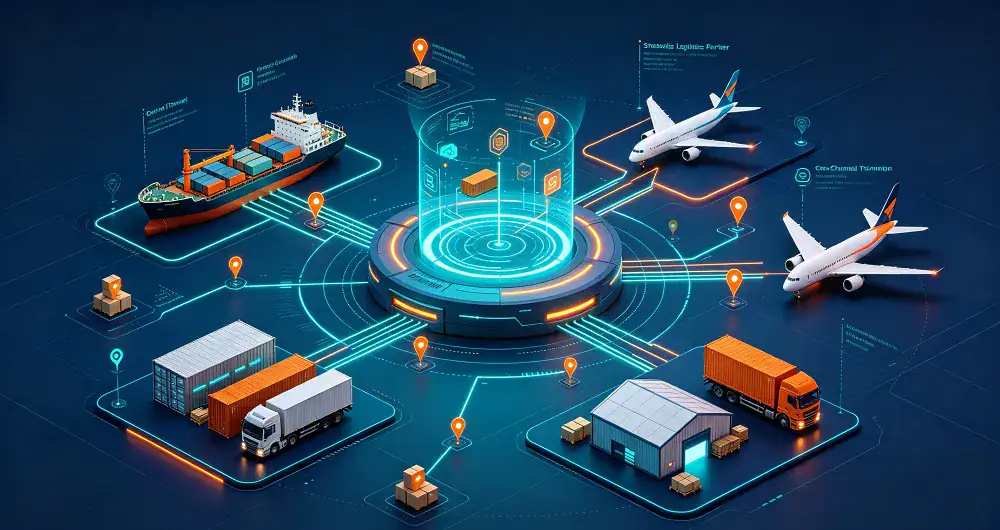
To help visualize the diversification landscape, here’s a comparison of key sourcing options often considered by sellers:
| Sourcing Location | Key Strengths | Popular Product Categories | Typical Transit Time to US | Main Considerations |
|---|---|---|---|---|
| Vietnam | Rapidly growing manufacturing base; strong in electronics and furniture | Consumer electronics, furniture, textiles, footwear | 25–35 days (ocean) | Supply chain ecosystem still maturing; some raw materials imported |
| India | Deep craftsmanship in traditional goods; competitive labor costs | Leather products, textiles, handicrafts, furniture | 25–35 days (ocean) | Logistics infrastructure developing; compliance requirements can be complex |
| Mexico | Proximity to US; fast ground shipping; ideal for just-in-time models | Auto parts, appliances, fast-fashion items, general consumer goods | 4–8 days (ground) | Primarily serves the US market; less beneficial for European distribution |
| Turkey | Nearshoring advantage for Europe; strong in home goods | Textiles, home décor, furniture | Relatively short to Europe | Mainly suited for European market access |
A Note of Caution: Switching sourcing countries isn’t as simple as changing a label. Customs authorities apply a “substantial transformation” test, meaning your product must undergo meaningful manufacturing or processing in the new country to legally claim that origin. Simply repackaging or doing light assembly won’t cut it. Always consult with a trade compliance expert before making the switch.
V. Why This Matters for Your Business
The takeaway from all this is straightforward: in 2026, supply chain strategy is no longer a back-office concern—it’s a front-line competitive advantage. Sellers who continue to rely on a single sourcing country, a single fulfillment model, or outdated inventory practices will find themselves at a growing disadvantage.
Those who embrace diversification—spreading their sourcing across multiple regions, blending their fulfillment approaches, and managing inventory with data-driven precision—will be better positioned to absorb cost shocks, respond to market changes, and protect their margins over the long haul.
The challenges are real, but so are the opportunities for sellers who are willing to adapt. With the right strategy and the right partners in place, navigating the complexities of global e-commerce in 2026 is not only possible—it’s a path to sustainable growth.
ABout AMZ Shipper
AMZ Shipper has several years of experience for international logistics Freight Forwarding service. Our service is for importer and exporter, foreign freight forwarders, local and abroad business. Export of 1500 of 40HQ per year for FBA Amazon shipping, 15-30tons of air shipments per month.
Member of WCA. Our company is a professional Amazon freight forwarder that specializes in providing comprehensive and efficient services to customers.