For Amazon sellers, choosing the right freight option for FBA inbound shipments is more than just a logistics decision—it directly affects your inventory turns, cash flow, and whether you can ride those seasonal sales spikes. The trade-off between cost and speed is real, and getting it wrong can mean missed sales or wasted money. Drawing from AMZ Shipper’s hands-on experience handling over 1,500 40HQ containers and 15 to 30 tons of air cargo each month, we’ll walk you through what actually works in practice.

Ocean Freight: The Cost-Effective Backbone
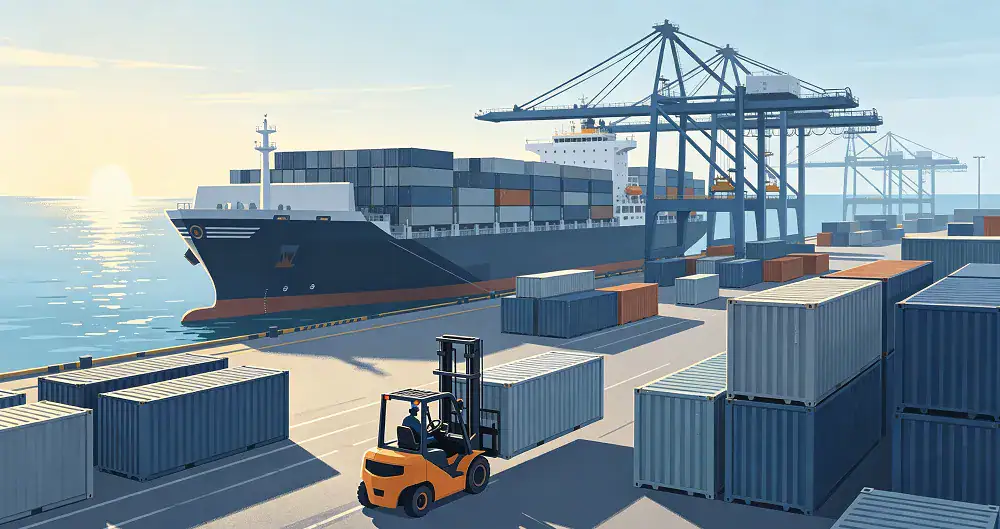
Ocean freight is the default choice for most sellers when it comes to bulk replenishment. Its main draw is simple: much lower shipping costs and the ability to handle large, heavy shipments without breaking the bank.
Why Sellers Choose Ocean Freight
-
Budget-friendly for bulk goods: The per-unit cost is significantly lower than air freight, making it ideal for large-volume, low-value, or heavy items. If you’re selling furniture, home essentials, or industrial parts, ocean freight helps keep your total landed costs under control.
-
Handles just about anything: Ocean freight has far fewer restrictions on size and weight compared to air. Whether you need a full container load (FCL) or just a few cubic meters via less-than-container-load (LCL), it’s flexible enough to fit your shipment.
Transit Time and Best Use Cases
Typical ocean shipping times range from 25 to 45 days, and they can fluctuate quite a bit depending on port congestion, weather, or customs inspections. That’s why it works best for:
-
Regular stock replenishment: Products with stable sales and a comfortable inventory buffer.
-
Bulk prep for major sales events: Think Prime Day or Black Friday—you’ll want to plan your ocean shipments 2 to 4 months ahead.
-
Initial test orders: If you have enough capital and aren’t in a rush, sending a small batch via ocean freight can be a cost-effective way to test the waters.
At AMZ Shipper, we’ve set clear internal benchmarks for our LCL consolidation service. From the time your cargo arrives at our warehouse to the moment it’s loaded onto the vessel, we aim to complete the process within 5 working days. And if any internal delay pops up, we’re committed to letting you know proactively. This way, you’re not left guessing about the start of your shipment’s journey.
Air Freight: Speed When It Really Counts
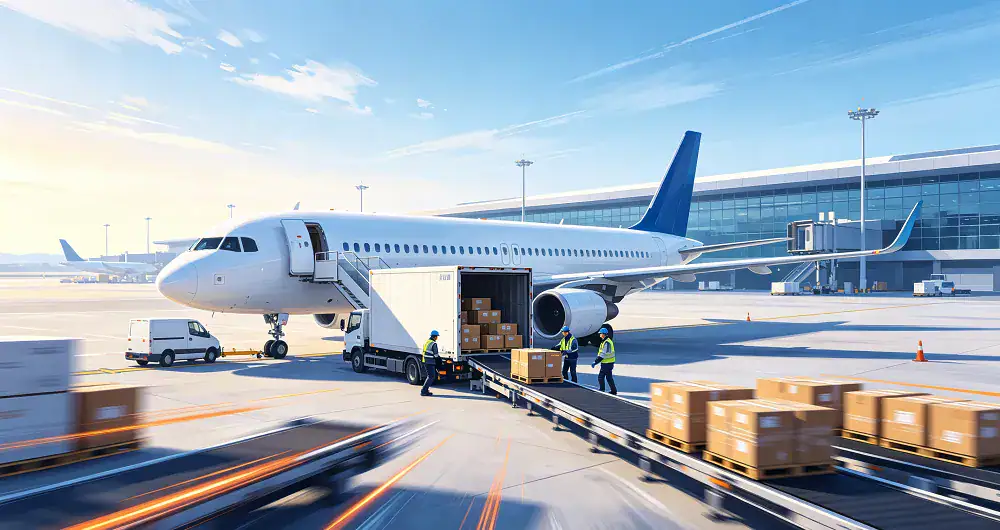
When time is your top priority, air freight is the only real answer. It’s your safety net for emergencies and a powerful tool for staying agile—but you’ll pay a premium for that speed.
Why Sellers Pay for Air Freight
-
It’s fast: Dedicated air freight lines usually deliver within 3 to 7 days, and express services can get your goods to the FBA center in 3 to 5 days. That speed can be a game-changer for time-sensitive situations.
-
More control and security: With shorter transit times, you have tighter control over your supply chain. Plus, there’s less risk of damage or theft compared to the long ocean journey.
When to Use Air Freight
Given the higher cost, air freight is best reserved for the right moments:
-
Emergency restocking: When your FBA inventory is about to run dry, paying for air freight is often cheaper than losing your sales rank and missing out on revenue.
-
New product launches: Getting your first batch to market quickly can give you a head start on gathering reviews and securing that initial organic momentum.
-
High-value or seasonal goods: For products with healthy margins—like electronics, fashion accessories, or holiday-specific items—the cost of air freight is easier to absorb, and the speed helps you capture peak demand.
One thing to watch out for: air freight charges are based on chargeable weight, which is the greater of the actual weight and the volumetric weight (length × width × height ÷ a dimensional factor). If you’re shipping lightweight but bulky items, the cost can escalate faster than you’d expect.
Side-by-Side Comparison
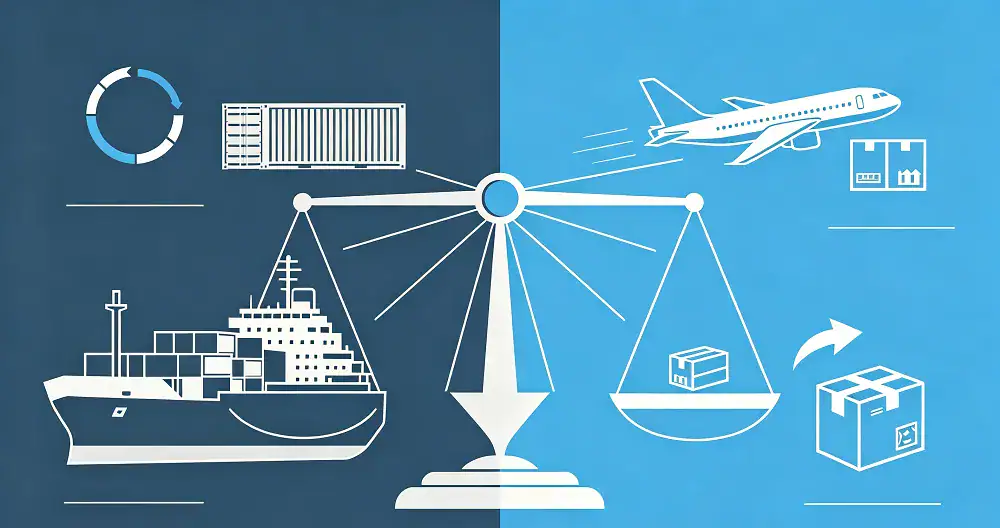
Here’s a quick breakdown to help you weigh your options:
| Decision Factor | Ocean Freight | Air Freight | What This Means for You |
|---|---|---|---|
| Cost Level | Low per-unit cost; scales well with volume | High cost; based on chargeable weight | If air freight costs eat up more than 15–20% of your product’s value, think twice |
| Typical Transit Time | 25–45 days (can vary with port conditions and peak seasons) | 3–12 days (depending on service type) | If you have 30+ days of inventory left, go with ocean. If you’re down to 15 days or less, consider air. |
| Best Shipment Size | LCL (over 2 CBM) or full containers | Small batches (under 500 kg is more cost-effective) | Bulky, heavy shipments lean toward ocean; small, light shipments may work for air |
| Ideal Product Type | Low-value, high-volume goods | High-value, small/light products | High-margin products can absorb air costs; low-margin products need ocean to stay profitable |
A quick heads-up: pay close attention to Incoterms when arranging shipping. For most FBA sellers, DDP (Delivered Duty Paid) is the most hassle-free option. It means your logistics partner handles customs clearance and pays the duties upfront, so you won’t run into unexpected tax bills or clearance delays at the destination port.
Beyond “Either/Or”: The Split Shipment Strategy
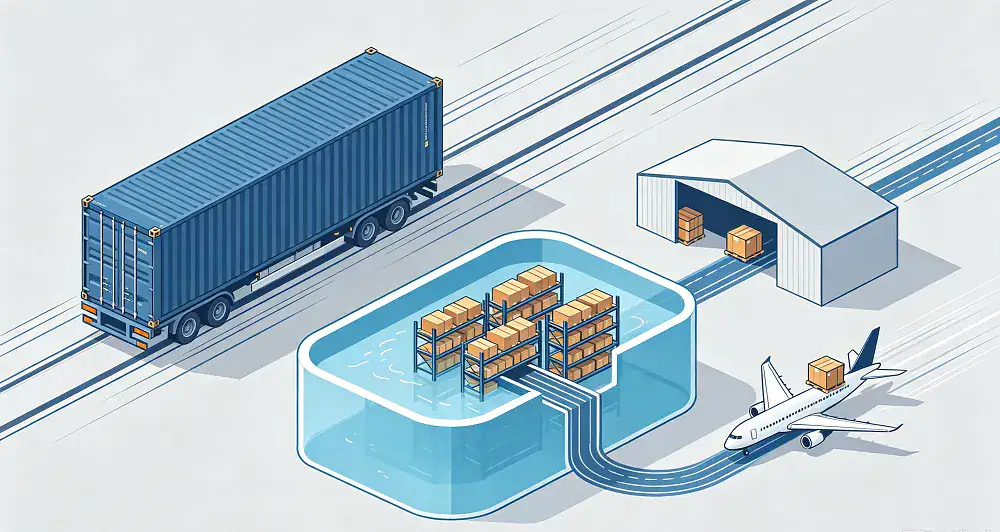
Here’s the thing—most experienced sellers don’t treat air and ocean freight as mutually exclusive. They’re just different tools in the same toolbox. The “ocean for base stock, air for quick top-ups” approach is a proven best practice that balances cost efficiency with agility.
How the Strategy Works
-
Plan the split: Ship about 70% of your inventory via ocean as your steady, cost-effective baseline. This covers your core demand over the long run.
-
Keep the rest flexible: Reserve the remaining 30% (or a portion of it) for air freight to cover fast-moving items or test new products. This way, you keep costs in check while staying responsive to sudden sales spikes or unexpected customs delays.
-
Why it works: This hybrid model gives you the best of both worlds, but it does require careful monitoring of your Inventory Performance Index (IPI) and working with a logistics partner that can handle both modes smoothly.
What to Look for in a Logistics Partner
No matter which shipping mode you lean toward, the quality of your freight forwarder can make or break your experience. Here’s what to keep an eye out for:
-
Real FBA expertise: Does the partner understand Amazon’s inbound rules, labeling requirements, and appointment scheduling? AMZ Shipper is a member of the WCA (World Cargo Alliance) and has handled logistics for multiple e-commerce platforms, so we know the ins and outs of FBA and beyond.
-
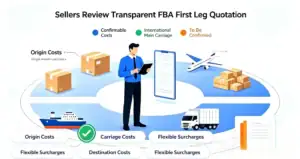
Transparent pricing: One of the biggest frustrations in the industry is receiving a final bill that’s way higher than the initial quote. A trustworthy partner will offer itemized written quotes. At AMZ Shipper, we’ve adjusted our service structure so that—unless you specifically change your product category or trade terms—your final invoice won’t include any undisclosed fees.
-
Responsive communication: Cross-border shipping involves many moving parts, and timely updates can prevent a lot of headaches. We assign dedicated account managers to each client and operate a day-and-night support system (U.S. and China shifts) , with a commitment to responding within 4 hours so you’re never left in the dark about your cargo.
Putting It All Together
Choosing between air and ocean freight is really about balancing cost, time, and inventory risk against each other. There’s no one-size-fits-all answer—the right choice depends on your specific product, your cash flow situation, and how fast you need to turn things around. The best approach is to regularly review your sales data, factor in current transit times, and adjust your shipping plan accordingly. Plan ahead, match your method to your needs, and you’ll save both money and stress in the long run.
ABout AMZ Shipper
AMZ Shipper has several years of experience for international logistics Freight Forwarding service. Our service is for importer and exporter, foreign freight forwarders, local and abroad business. Export of 1500 of 40HQ per year for FBA Amazon shipping, 15-30tons of air shipments per month.
Member of WCA. Our company is a professional Amazon freight forwarder that specializes in providing comprehensive and efficient services to customers.