A lot of sellers, after finding a supplier and placing their first order, start wondering: can I just have my supplier ship the goods straight to an Amazon FBA warehouse, without me ever touching them?
It’s a reasonable thought. If supplier direct shipping works, you don’t have to receive the goods yourself, repack them, and forward them to a freight forwarder. You save time, energy, and the risk of damage from one extra round of handling. But in practice, Amazon FBA supplier direct shipping involves three parties working together: your supplier, your freight forwarder, and you. If information doesn’t flow smoothly between them, your shipment can get stuck or rejected.
This article isn’t here to tell you whether to do it or not. It’s here to lay out the process, the roles, the 2026 changes, and the common pitfalls – so you can decide for yourself whether this route works for you.
1. What Amazon FBA Supplier Direct Shipping Actually Means
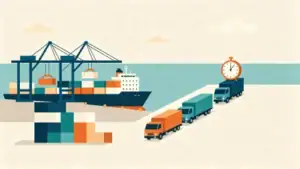
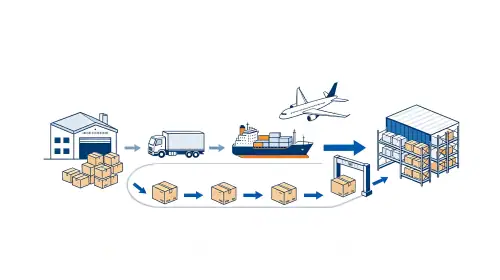
Amazon FBA supplier direct shipping means the seller skips the step of receiving goods domestically and forwarding them. Instead, the supplier hands the goods directly to a freight forwarder, who handles export customs, international transport, import clearance, and last-mile delivery – all the way to the Amazon FBA warehouse.
The core advantages:
-
No domestic transshipment, reducing the risk of damage from extra handling
-
Faster overall transit, with goods moving from the factory straight into the logistics chain
-
Less hands-on work for the seller
But “direct shipping” doesn’t mean “hands off.” You still need to create the shipment in Seller Central, provide label files, and confirm compliance. The supplier’s job is to hand over the goods. The forwarder’s job is to move them. But you – the seller – are always the Importer of Record and the legally responsible party for the entire chain. Amazon FBA supplier direct shipping changes the logistics path, not the responsibility.
2. The Three Roles in Amazon FBA Supplier Direct Shipping
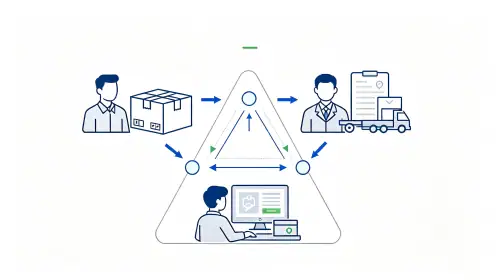
In this model, three parties have to work together well.
The supplier – responsible for packaging and labeling according to Amazon FBA requirements, and handing the goods to the forwarder’s designated domestic warehouse.
The freight forwarder – responsible for picking up from the supplier, export customs, international transport, destination customs clearance, and last-mile delivery to the Amazon FBA warehouse.
The seller (you) – responsible for creating the shipment in Seller Central, providing FNSKU and carton label files, confirming product compliance, and tracking the shipment status.
Key reminder: information flow between all three parties must be accurate. If the supplier labels incorrectly, the forwarder uses the wrong customs documents, or the seller enters wrong shipment details – any of these can get your Amazon FBA shipment stuck or rejected. The most common failure point in Amazon FBA supplier direct shipping isn’t the transport itself – it’s the information gap between the three parties.
3. The Complete Amazon FBA Supplier Direct Shipping Process
Here are the seven steps, from creating the shipment to warehouse receiving.
Step 1 – Create the shipment plan in Seller Central
Select the SKUs and quantities, enter the ship-from address (your supplier’s factory or the forwarder’s warehouse), and the system assigns a destination Amazon FBA warehouse. The ship-from address affects how Amazon splits your inventory, so use the supplier’s actual factory address.
Step 2 – Generate and send label files to your supplier
Download the FNSKU and carton label PDFs and send them to your supplier. Include clear visual instructions on where and how to apply them – don’t just fire off a PDF and call it a day.
Step 3 – Supplier completes packaging and labeling
Your supplier applies unit labels, carton labels, and packs the boxes according to Amazon FBA requirements. Ask them to send photos before sealing the boxes, especially if it’s your first time working together.
Step 4 – Forwarder picks up or supplier delivers to the forwarder’s warehouse
The forwarder collects from the supplier’s factory, or the supplier delivers to the forwarder’s domestic consolidation warehouse. All three parties need to confirm the time and address.
Step 5 – Export customs and international transport
The forwarder completes China export customs and arranges ocean, air, or rail transport.
Step 6 – Import customs clearance at destination
The forwarder or a customs broker handles import declaration and pays duties and VAT (under DDP terms).
Step 7 – Last-mile delivery and Amazon FBA warehouse receiving
Goods are delivered from the port or airport to the assigned Amazon FBA warehouse, with a delivery appointment booked and receiving completed.
4. Amazon FBA Supplier Direct Shipping – Pros and Cons
| Dimension | Advantages | Risks |
|---|---|---|
| Speed | No domestic transshipment, faster overall | Supplier inexperience can cause delays |
| Cost | Fewer handling steps, lower labor costs | Supplier labeling errors can create extra fees |
| Operations | Less work for the seller | Less control over the goods |
| Compliance | Forwarder handles customs professionally | Poor information flow between three parties |
The bottom line: Amazon FBA supplier direct shipping works best when your supplier is cooperative, your forwarder is experienced, and your product compliance is straightforward. If your supplier has never handled an Amazon FBA order before, or your product involves complex certifications, test with a small batch first. Don’t hand your entire inventory to a supplier who’s never done an FBA shipment.
5. What’s Changed in 2026 for Amazon FBA Supplier Direct Shipping
Several changes in 2026 directly affect this model.
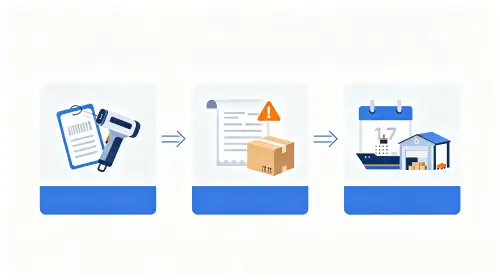
Change 1: FBA prep and labeling services are completely gone
As of January 1, 2026, FBA prep and labeling services ended completely for US sites. On July 1, European sites followed. All goods must be labeled and compliantly packaged before arriving at the Amazon FBA warehouse.
Impact on supplier direct shipping: your supplier now has to take on the labeling responsibility. If they can’t, you’ll need your forwarder to provide labeling services at origin. This is the biggest challenge for Amazon FBA supplier direct shipping in 2026.
Change 2: New FNSKU label rules
As of March 31, 2026, sellers who aren’t brand-registered must use FNSKU labels. Manufacturer barcodes are no longer accepted.
Impact on supplier direct shipping: if your supplier habitually applies UPC/EAN labels, your shipment could be rejected. You must clearly instruct them to use FNSKU labels before shipping.
Change 3: Inbound defect fees have shot up
Fines for labeling errors, oversized cartons, and missing tracking info have increased significantly.
Impact on supplier direct shipping: if your supplier labels incorrectly, the fines land on you. The money you save on transshipment might not cover the penalties.
6. The 5 Most Common Mistakes in Amazon FBA Supplier Direct Shipping
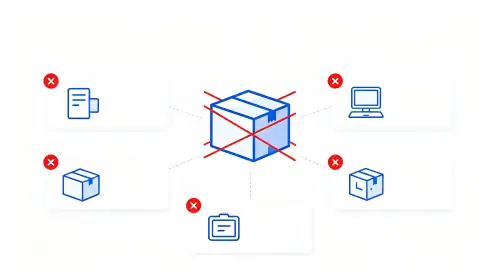
Mistake 1: Not giving your supplier clear labeling instructions
Sending a PDF without explaining where labels go, which direction they face, or what can’t be covered.
→ Provide a visual guide with pictures. Ask your supplier to send photos before sealing boxes.
Mistake 2: Forgetting to confirm shipment in Seller Central
The goods are with the forwarder, but you never marked the shipment as shipped in Seller Central.
→ As soon as the forwarder picks up, go back and confirm shipment. Enter the carrier and tracking number.
Mistake 3: Supplier uses manufacturer barcodes
As of March 31, 2026, non-brand-registered sellers must use FNSKU labels.
→ Confirm in writing that your supplier is using FNSKU labels, not UPC/EAN.
Mistake 4: Poor information flow between three parties
The supplier doesn’t know when the forwarder is picking up. The forwarder doesn’t have the supplier’s address and contact. You don’t know if the goods have shipped.
→ Set up a group chat with all three parties and confirm at every key milestone.
Mistake 5: Overlooking product compliance
Product certifications, country-of-origin marks, safety warning labels – these are easier to miss in supplier direct shipping because you never see the physical goods.
→ Ask your supplier for compliance documents and confirm “MADE IN CHINA” is on every carton before shipping.
7. How to Make Amazon FBA Supplier Direct Shipping Run Smoother
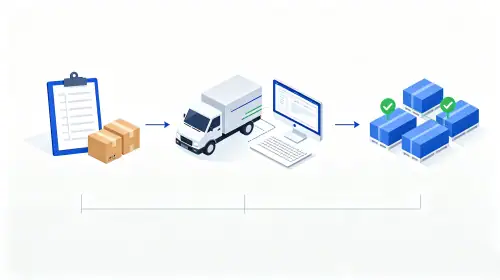
Give your supplier a written checklist
Don’t rely on verbal instructions. Put Amazon FBA packaging requirements, label specs, carton limits, and country-of-origin marking requirements on one page with pictures. For your first order, ask your supplier to make a sample carton and send photos before full production.
Choose a forwarder with origin labeling capability
If your supplier can’t handle labeling, a forwarder who can apply FNSKU labels and check packaging compliance at origin fills that gap. When choosing a logistics partner, ask whether they offer origin labeling coordination and packaging compliance checks. For example, AMZ Shipper focuses on cross-border logistics for Amazon sellers, offering support from supplier factory pickup to origin labeling coordination, destination clearance, and last-mile delivery.
Confirm at key milestones – don’t wait to be told
After handing goods to your forwarder, don’t wait for them to update you. Proactively confirm: has the cargo been picked up? Has it cleared customs? Has the vessel departed? Has it arrived? Has it cleared import customs? Has the delivery appointment been booked? In Amazon FBA supplier direct shipping, your visibility is naturally lower than if you handled the goods yourself – proactive confirmation is the best way to close that information gap.
Test with a small batch first
The first time you work with a particular supplier and forwarder on Amazon FBA supplier direct shipping, send a small test batch. See if the supplier labels correctly, if the forwarder picks up on time, if customs clears smoothly, and if the warehouse receiving goes without issues. Once the process runs smoothly, scale up.
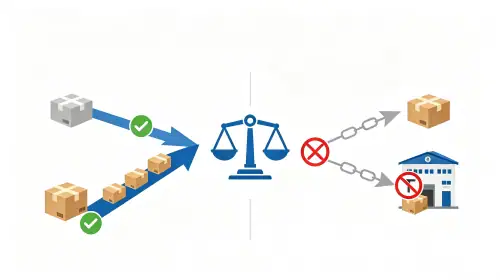
Shipping directly from a China supplier to Amazon FBA is a viable path – but it’s not as simple as “send the forwarder’s contact info to your supplier and wait.” Three parties need to coordinate, 2026 rules have changed, and labeling and compliance details need your active management. Get the process running smoothly, and Amazon FBA supplier direct shipping can save you time and energy. Get it wrong, and the money you save on transshipment might not cover the fines.
8. ABout AMZ Shipper
AMZ Shipper has several years of experience for international logistics Freight Forwarding service. Our service is for importer and exporter, foreign freight forwarders, local and abroad business. Export of 1500 of 40HQ per year for FBA Amazon shipping, 15-30 tons of air shipments per month.
Member of WCA. Our company is a professional Amazon freight forwarder that specializes in providing comprehensive and efficient services to customers.