Over the past few years, a quiet but significant shift has been happening in how Amazon sellers manage their logistics. Not long ago, “selling on Amazon means using FBA” was pretty much the industry standard. You send your inventory to Amazon’s warehouses, and they take care of delivery, customer service, and returns. Sellers could just focus on product selection and store operations.
But in 2026, more and more sellers are starting to question this single reliance on FBA. Instead, they’re outsourcing part or all of their logistics to professional third-party logistics providers (3PLs), building a hybrid system that combines FBA, third-party warehouses, and self-fulfillment.
This isn’t just a passing trend. It’s driven by real changes in Amazon’s policies, shifting cost structures, and the growing need for business diversification.
1. The Limits of FBA: When “Convenience” Gets Complicated
To understand why outsourcing logistics is becoming the new normal, we first need to look at the practical challenges FBA sellers are facing today.
1.1 Pre-processing Services Are Gone, and the Burden Has Shifted
Starting January 2026, Amazon officially ended its FBA pre-processing and labeling services, which had been around for over ten years. In the past, sellers could pay Amazon to handle bubble wrapping, poly bagging, and labeling. Now, every shipment going to US fulfillment centers must be properly packaged, sealed, and labeled by the seller or their partners before arrival.
What this means in practice is simple: sellers either need to handle these tedious pre-shipment tasks themselves or find a third party to do it. For those with many SKUs or complex product types, doing it in-house means extra labor and storage space. Meanwhile, third-party service providers are becoming a more cost-effective option.
1.2 Rising Storage Costs and Inventory Pressure
FBA’s storage fee structure puts a lot of pressure on inventory turnover. Monthly storage fees go up during peak seasons, and long-term storage fees are even tougher on slow-moving products. For bulky items, niche products with longer sales cycles, or seasonal goods, keeping them in FBA warehouses can really eat into profits.
Industry data shows that about 30% of cross-border e-commerce businesses have faced inventory sell-through issues at some point, and ongoing storage fees keep squeezing their margins. Under these circumstances, moving some inventory out of FBA is becoming a natural cost-control measure.
1.3 Capacity Limits Create Uncertainty
FBA also imposes dynamic inventory limits that can change without much warning, especially before peak seasons. When these limits kick in, sellers can’t restock even if demand is there, which often leads to stockouts. And stockouts don’t just mean lost sales in the moment—they can also hurt your listing rankings and long-term visibility. This uncertainty is pushing sellers to look for more predictable ways to manage their inventory.
2. What Makes Outsourcing Logistics Worth It
Outsourcing to professional 3PLs isn’t just about avoiding headaches. For many sellers, it’s a strategic supply chain decision that pays off in multiple ways.
2.1 Building a Flexible Hybrid Logistics System
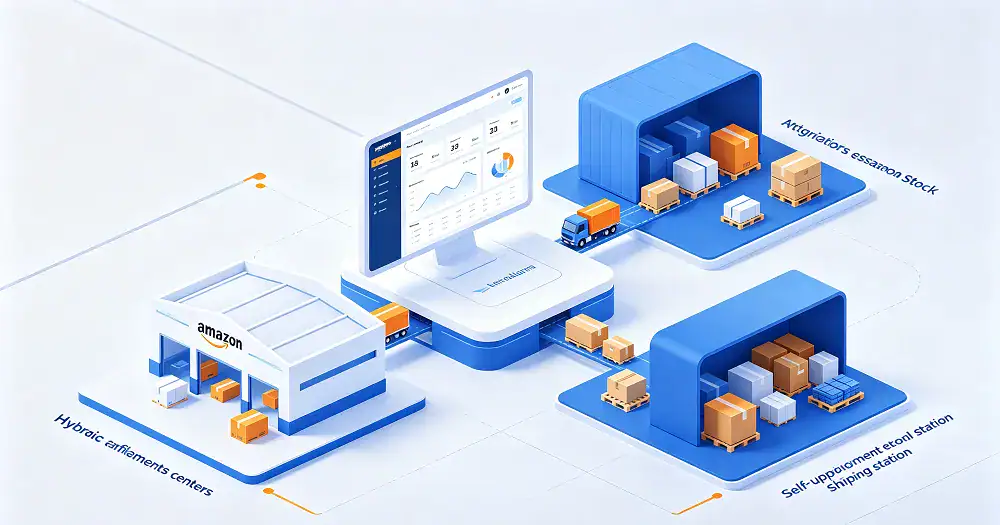
The real value of outsourcing is that it lets sellers build a hybrid model combining FBA and third-party warehouses. That way, they can move inventory around based on what the situation calls for.
| Logistics Method | Best Use Cases | Key Advantages |
|---|---|---|
| FBA | Best-selling items, fast-moving products | Prime badge, fast delivery |
| Third-party warehouse | Bulky items, seasonal stock, B-grade products | Lower storage costs, no capacity limits, supports multiple channels |
| Self-fulfillment (including virtual warehouse) | Testing new products, niche items, C-grade products | Low inventory risk, flexible experimentation |
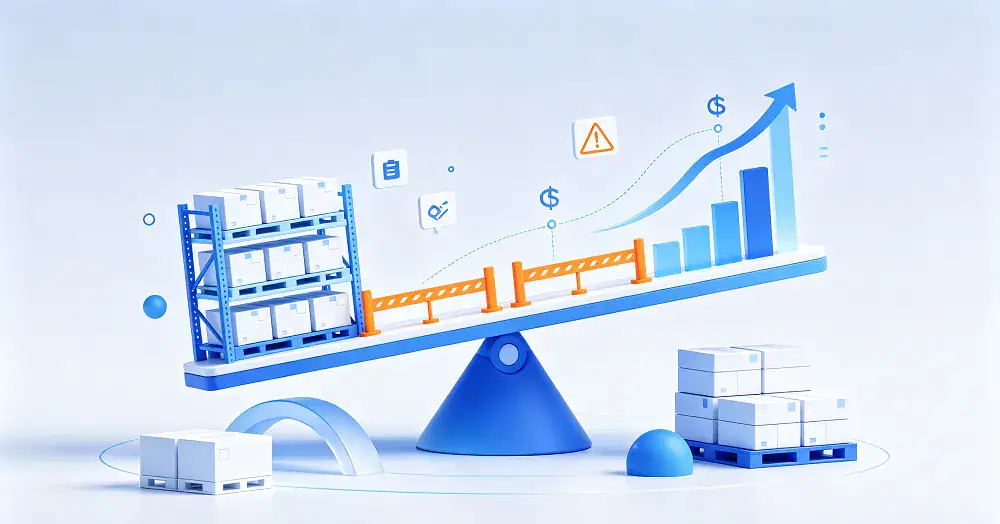
Experienced sellers often follow a “70-20-10” rule for inventory allocation. About 70% of their core bestsellers go to FBA to protect rankings and traffic. Around 20% of emerging products and backup stock stay in third-party warehouses for flexibility. The remaining 10%—long-tail products and test items—are fulfilled through self-shipping or third-party warehouse drop-shipping.
This hybrid structure gives sellers a buffer against FBA policy changes. When FBA capacity gets tight, third-party warehouses can take the overflow. When FBA storage fees spike, sellers can move slower products to cheaper storage elsewhere.
2.2 Supporting Multi-Channel Fulfillment
These days, cross-border sellers are no longer limited to Amazon. Platforms like TikTok Shop, Temu, Walmart, and independent stores are all growing, and they all need their own fulfillment solutions.
FBA inventory is usually tied to Amazon orders (yes, there’s Multi-Channel Fulfillment, but it’s pricey). With third-party warehouses, sellers can use the same inventory to restock FBA, fulfill TikTok orders, or ship directly to Walmart customers.
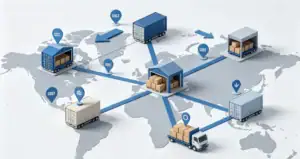
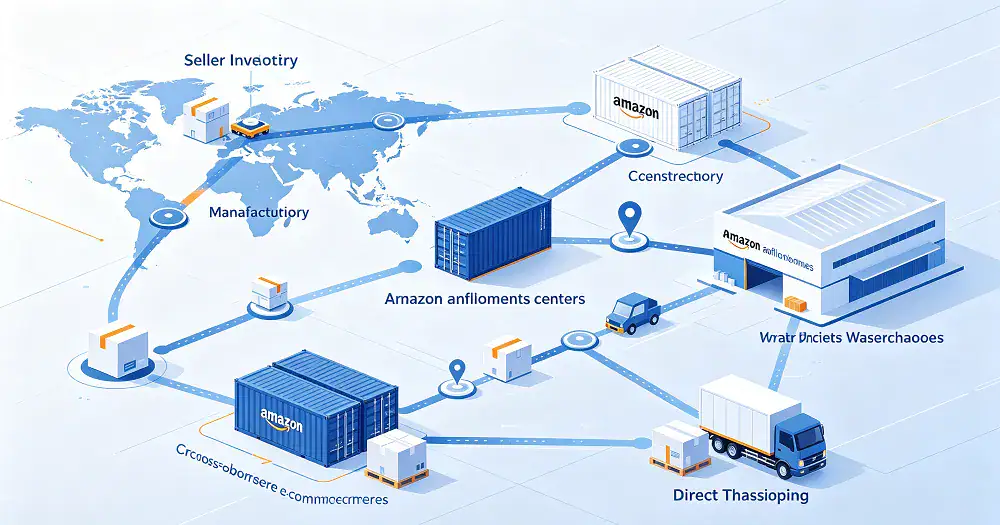
Take AMZ Shipper as an example. Their network doesn’t just send goods to FBA—they also deliver to TikTok Shop, Temu, Walmart, and other non-Amazon warehouses. This kind of flexibility is becoming more valuable by the day for sellers running multiple sales channels.
2.3 Managing Peak Season Risks
Peak season is the real test of any logistics system. FBA warehouses get congested, shipments take forever to check in, and storage fees go through the roof. This is where third-party warehouses become a key buffer.
| Problem | How Outsourcing Helps |
|---|---|
| FBA warehouses are full | Send bulk shipments to third-party warehouses first, then restock FBA gradually as space opens up |
| Peak season storage costs are too high | Keep backup inventory in third-party warehouses, which usually charge much lower storage fees |
| FBA stockout and ranking drops | Rush inventory from nearby third-party warehouses—much faster than shipping from China |
| Costly returns processing | Third-party warehouses can inspect, relabel, and repack returns so they’re ready to sell again |
2.4 Filling the Pre-Processing Gap
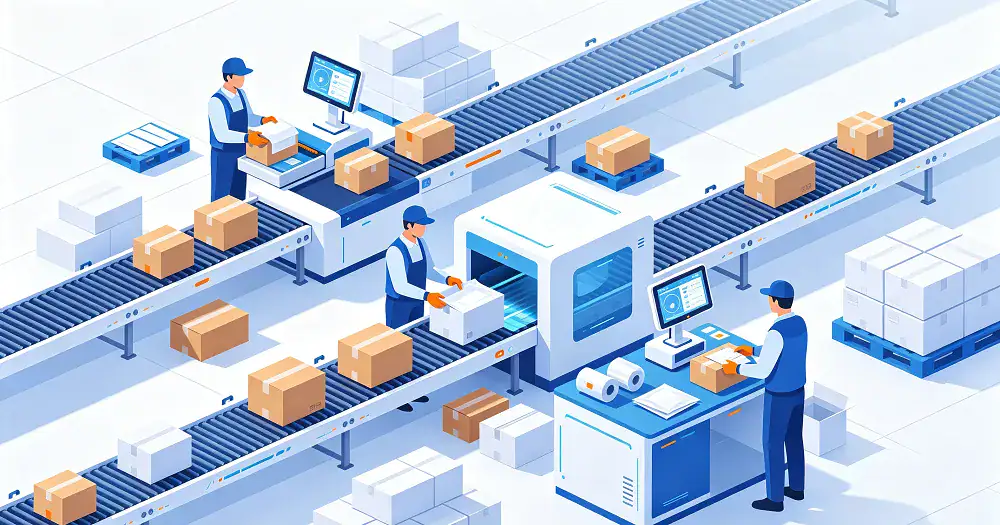
Amazon’s decision to stop pre-processing services created a gap that professional logistics providers are now filling. 3PLs with pre-processing capabilities can handle labeling, bagging, and packaging to make sure shipments meet Amazon’s new requirements.
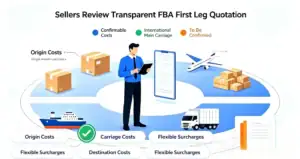
AMZ Shipper, for instance, updated its service structure in June 2026 to address this need. They now offer standardized pricing for pre-processing based on SKU type and task complexity. And before shipping, they provide a written quote that breaks down ocean freight, customs clearance, and destination trucking fees. They promise no surprise charges unless the seller changes the product type or shipping terms mid-way.
3. Risks and How to Handle Them
Outsourcing logistics isn’t without its risks. When choosing a third-party partner, sellers should be aware of a few key concerns and know how to address them.
3.1 Quality Depends on Your Partner’s Expertise
The quality of third-party warehouse services depends heavily on your partner’s capabilities and network. Sellers have less direct control over their inventory. That’s why finding the right partner is step one.
What you can do:
-
Set up a thorough evaluation system covering warehouse scale, local service capabilities, and emergency response.
-
Start with a small test shipment to check service quality before committing to a larger volume.
-
Make sure your service agreement clearly defines responsibilities, service standards, and penalties for underperformance.
3.2 Transparency and Communication
Cross-border logistics involves many steps and players, and it’s not always easy to get clear information. Some sellers have complained about unclear tracking updates, delayed notice for customs documentation, or final bills that were higher than the initial quote.
What you can do:
-
Choose providers that offer transparent pricing with itemized cost breakdowns in writing.
-
Check their response protocol—do they assign a dedicated account manager? How quickly do they reply?
-
Look for real-time tracking and regular status updates.
AMZ Shipler, for example, now has teams in both China and the US working in shifts, so client inquiries get a meaningful response within 4 hours. Each client also gets a dedicated account manager who follows up on all shipments and provides regular status reports.
3.3 Compliance Risks
Customs regulations, tax rules, and intellectual property requirements vary by country and keep changing. Reports show that 63% of businesses have run into foreign policy or regulatory issues at some point.
What you can do:
-
Choose providers with a solid track record in compliance and deep knowledge of local regulations.
-
Check your product compliance requirements (certifications, labeling, packaging) before shipping.
-
Evaluate your partner’s customs clearance capabilities carefully—do they handle destination clearance and last-mile delivery?
3.4 Inventory Management and System Integration
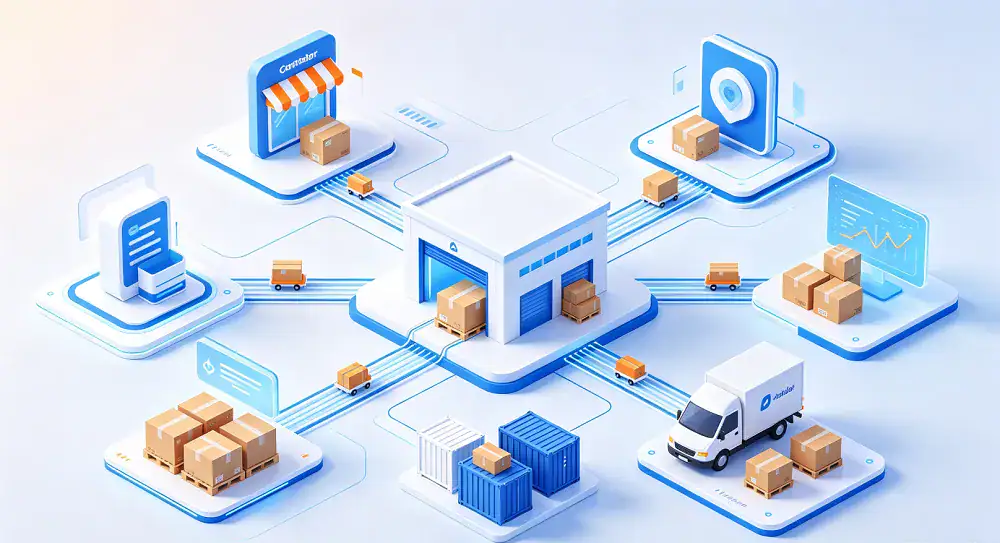
With a hybrid logistics model, sellers need to keep track of FBA inventory and third-party warehouse inventory at the same time. Without system support, it’s easy to oversell or run out of stock.
What you can do:
-
Make sure your ERP or order management system can connect with both Amazon and your third-party warehouse for real-time inventory sync.
-
Set up low-stock alerts so you know when FBA inventory is running low and can trigger a restock from your warehouse.
-
Use API integration to automate order syncing and tracking number returns, which cuts down on manual errors.
4. How to Evaluate and Choose a Logistics Partner
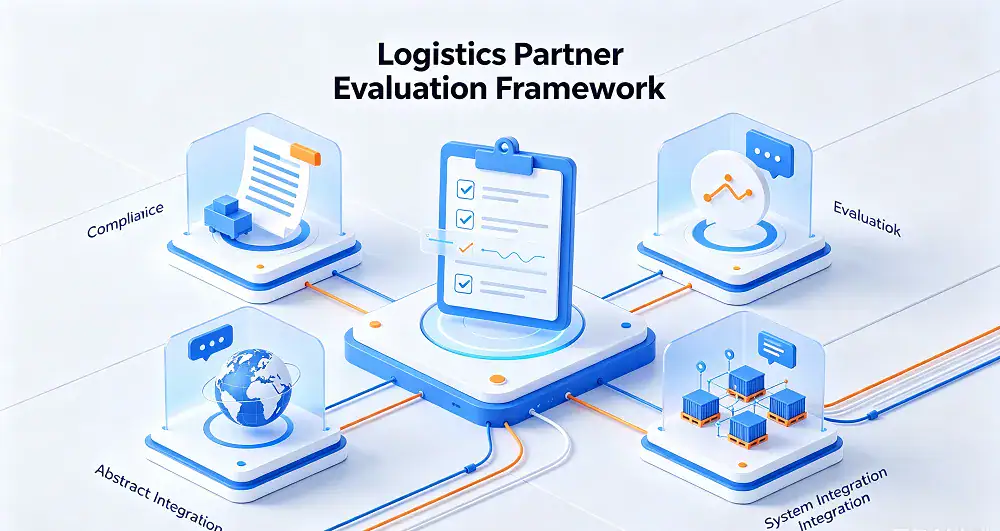
Based on all this, here’s a practical framework for evaluating potential logistics partners.
Compliance Capability: Does the provider have FMC备案? Are they familiar with current customs requirements? Do they offer cargo insurance? For specific product categories, do they understand the certification and labeling requirements?
Delivery Consistency: Do they have clear SOPs? Do they publish service timelines for freight forwarding? Do they have contingency plans for peak seasons or unexpected disruptions? Some providers now promise container loading within 5 business days after the goods arrive at their warehouse.
Communication Transparency: Do they assign a dedicated account manager? Do they respond within a reasonable timeframe? Is their pricing fully transparent—with separate line items for ocean freight, customs fees, and trucking—and do they commit to no hidden charges?
Network Coverage: Do they have pickup warehouses in China’s main manufacturing regions? Do they have reliable customs clearance and delivery networks in destination countries? Can they serve multiple platforms or just FBA?
Tech Integration: Can they integrate with your ERP system? Do they support automated order syncing and tracking updates? How reliable and secure is their platform?
Final Thoughts
Outsourcing logistics operations to third-party providers is essentially about handing over non-core supply chain tasks to specialists, so sellers can focus their time and energy on what really matters—product development, brand building, and market expansion. The cross-border e-commerce landscape in 2026 has made it clear that relying solely on FBA is risky when you’re dealing with changing policies, rising costs, and the need for multi-channel flexibility.
Building a hybrid logistics system with FBA at the core, third-party warehouses as backup, and self-fulfillment for the rest, is becoming a practical choice for more and more sellers. For those serious about sustainable growth in today’s multi-platform world, it’s probably not a question of “if” anymore, but “when to start.”
About us
AMZ Shipper is a cross-border freight forwarding company focused on Amazon FBA first-mile logistics. We operate consolidation warehouses in Shenzhen, Yiwu, Guangzhou, and Qingdao, and handle over 1,500 40HQ containers of FBA-related ocean freight annually. We’re also a member of the WCA (World Cargo Alliance). For more information, visit our website or reach out to our team for a customized logistics plan.