1. The “New Normal” of Cross-Border Logistics in 2026 – What Amazon Sellers Are Facing
From late 2025 into 2026, Amazon sellers are dealing with a very different logistics environment. Moving goods is no longer just about getting boxes from point A to point B. It’s a strategic part of your business that directly affects your profit margins and account health.
Here are the three biggest challenges right now:
-
Rising FBA inbound placement fees: Amazon charges more for sellers who want to send their inventory to a single warehouse. If you don’t plan your shipments carefully, your logistics costs could jump by 15% to 20% on a single shipment.
-
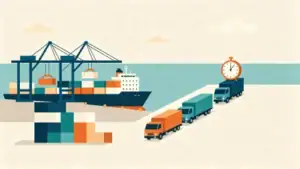
Unpredictable shipping schedules and rates: While the post-pandemic supply chain has mostly stabilized, unexpected events can still cause sudden rate spikes and delays. In 2026, sellers need to be smart about comparing options and having backup plans.
-
The OTDR (On-Time Delivery Rate) requirement: For sellers handling their own fulfillment, Amazon requires an OTDR above 90%. Drop below that, and your account could be restricted. This means your freight forwarder’s reliability directly impacts your account safety.
Given all this, a professional freight forwarder isn’t just a shipping middleman anymore. They need to be a supply chain strategist who helps you control costs and manage risks.
2. Why an Average Freight Forwarder Won’t Cut It for 2026 Sellers
2.1 What Amazon’s Policy Changes Really Mean
Between 2024 and 2025, Amazon adjusted how inbound placement fees work. Simply put, if you want to send all your inventory to a single FBA warehouse (which makes things easier to manage), you’ll pay higher placement fees. On the other hand, if you let Amazon split your shipment across multiple warehouses, the placement fees are lower – but then you’re dealing with multiple small shipments and more internal work.
A good FBA forwarder helps you figure out the trade-off: pay more for simplicity, or accept the extra work to save on fees. Most basic forwarders don’t offer this kind of strategic advice.
2.2 The Geography Factor – Advantages and Challenges
Most Chinese sellers have their goods concentrated in a few major port cities: Shenzhen, Guangzhou, Xiamen in the south, and Shanghai, Ningbo, Qingdao in the east. Each port has different sailing schedules, freight rates, and customs clearance efficiency.
Take the China-to-US route as an example. Shenzhen’s Yantian Port offers faster shipping to the US West Coast, while east coast ports might have better rates with certain carriers. A good forwarder helps you pick the best departure port based on where your factory is located, your delivery deadlines, and your budget.
3. How to Choose the Right FBA Freight Forwarder – A Complete Guide
3.1 Step One: Check Their Credentials – Avoid the Middlemen
The freight forwarding industry has a low barrier to entry, and plenty of companies are just middlemen with no real shipping capabilities. For Amazon sellers, here’s what you should look for:
-
NVOCC (Non-Vessel Operating Common Carrier) license: This means they’re registered with the US Federal Maritime Commission. An NVOCC can issue their own bills of lading and take full responsibility for your shipment, instead of just passing it along to someone else.
-
Physical office and warehouse: A forwarder with their own warehouse can receive your loose cargo, repack it, label it, shrink-wrap it onto pallets, and consolidate shipments. This saves you a lot of money on domestic transportation.
3.2 Step Two: Transparent Pricing – Spotting the Tricks
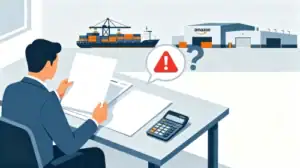
Many sellers get lured in by a super low “ocean freight” quote, only to get hit with unexpected fees when the cargo arrives at the destination port. Here’s what to watch for:
| Cost Category | Common Hidden Fees | What a Transparent Quote Looks Like |
|---|---|---|
| Domestic (China side) | Warehouse receiving fees, unloading fees, palletizing fees | Quote clearly states “includes X free unloading attempts” |
| Ocean/Air Freight | Fuel surcharges, peak season surcharges | Quote confirms whether all variable surcharges are included |
| Destination Port | Terminal handling charges, document fees, customs clearance fees | Detailed breakdown of destination agent fees provided upfront |
| Last-Mile Delivery | Appointment fees, waiting time fees, residential address fees | Clarifies whether truck delivery or small-parcel delivery is used |
A trustworthy forwarder will give you a complete fee breakdown before shipping and confirm every possible cost in advance.
3.3 Step Three: End-to-End Service Capabilities
FBA first-leg logistics involves many steps, and a single mistake can ruin the whole shipment. Here’s what you need to confirm your forwarder can handle:
-
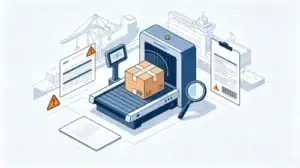
Labeling and preparation: Amazon has strict rules about labels and packaging. A professional forwarder will inspect and reinforce your labels before the goods leave China, so you don’t get rejected at the FBA warehouse.
-
Emergency warehousing overseas: When FBA warehouses are fully booked and can’t accept deliveries, your goods need a temporary place to wait. A forwarder with their own overseas warehouse can store your cargo until FBA has available appointment slots.
-
Customs clearance support: Shipments above a certain value require formal customs entry. A good forwarder should work with a licensed customs broker and offer a “duty prepaid” service.

4. Comparing First-Leg Shipping Options for 2026
4.1 Air vs. Sea – Balancing Speed and Cost
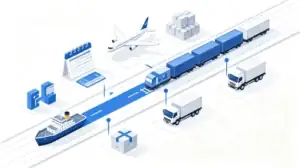
Different products and inventory turnover rates call for different shipping methods. Low-cost, high-volume items are better suited to sea freight to keep unit costs down, while high-value or seasonal products need air freight to hit the sales window.
| Comparison Factor | Air Freight | Ocean LCL (Less than Container) | Ocean FCL (Full Container) |
|---|---|---|---|
| Door-to-door time | 5-8 days | 25-35 days | 22-30 days |
| Best for shipment size | Over 100 kg | 1-15 cubic meters | Over 15 cubic meters |
| Main risk | Flight cancellations, holiday capacity shortages | Schedule delays, time spent breaking down LCL shipments | Full container inspection holds everything |
| Best for | Urgent restocks, testing new products | Regular restocking, medium volumes | Mature products with steady sales |
4.2 What’s the Catch with “LCL Direct Delivery” and Trucking?
Once your goods arrive at the destination port, getting them from the dock to the FBA warehouse is another place where costs and time can sneak up on you.
-
Small-parcel delivery (UPS, FedEx, etc.): Each box is scanned and delivered individually. It’s flexible, but fees add up quickly – residential delivery fees, overweight fees, and more. Also, small-parcel carriers have lower delivery priority than trucks.
-
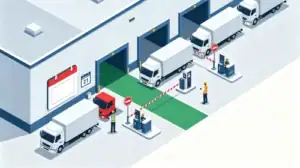
Truck delivery (LTL/TL): Your pallets are loaded onto a truck and delivered by appointment. For multi-box shipments, truck delivery is often cheaper than small-parcel. It’s also more reliable because trucks have reserved appointment windows with Amazon.
“LCL direct delivery” means your forwarder unpacks the full container at their overseas warehouse, sorts each seller’s goods, and loads them onto trucks heading directly to multiple FBA warehouses. This avoids the high cost of small-parcel delivery while improving overall speed.
5. Real-Time Tracking and Digital Tools – What Good Forwarders Offer in 2026
In the past, checking on your shipment meant messaging your forwarder: “Where’s my stuff?” Then waiting for them to check and get back to you. That slow process is outdated now.
In 2026, a good forwarder should offer:
-
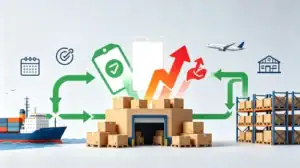
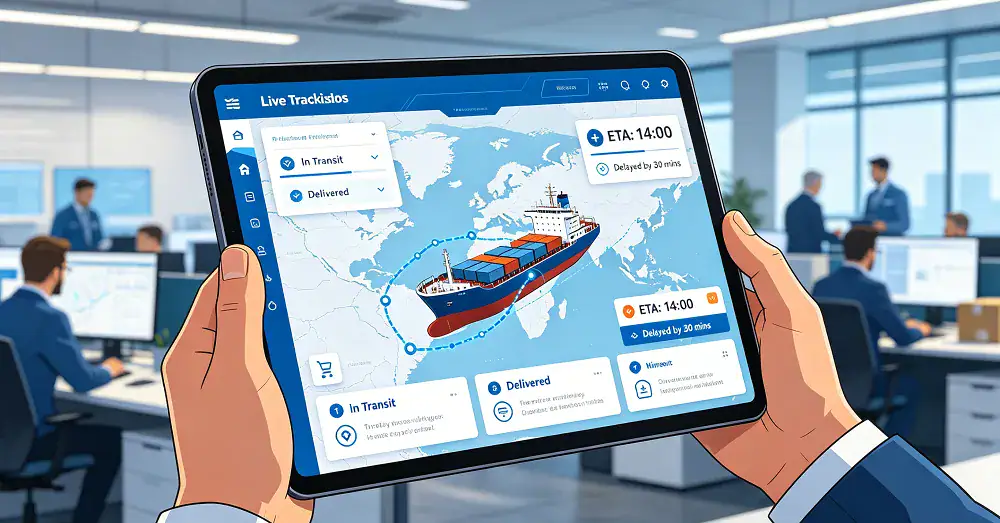
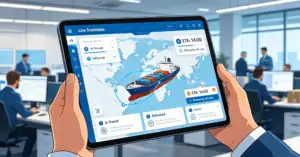
Live tracking links: You can check the status of your shipment anytime – from when it’s received at the China warehouse, through customs, departure from port, arrival at destination port, delivery appointment, and final FBA check-in. No need to keep asking customer service.
-
Automatic alerts: When a ship is delayed, customs inspects your cargo, or a delivery appointment fails, you get an automatic notification. This lets you adjust your operations early – like temporarily pausing a listing or activating backup inventory.
-
Data dashboards: You should be able to see cost breakdowns for each SKU, showing what percentage of your selling price goes to logistics. This helps you fine-tune your pricing and sourcing.
6. Practical Strategies – Cutting Costs with Smart Logistics Planning
6.1 Using Data to Pick Your FBA Warehouse
When you create a shipment in Amazon Seller Central, you’re usually offered several FBA warehouse options. Different warehouses have different delivery speeds and inbound placement fees. For example, West Coast warehouses like ONT8 and LAX9 offer faster check-in but higher placement fees. East Coast warehouses like MEM1 and IND9 have lower fees but higher ocean freight costs.
A good freight forwarder helps you calculate the total cost: (ocean freight difference + placement fee difference + inland delivery fee difference) . The cheapest ocean freight doesn’t always mean the lowest total cost. Sometimes paying a bit more for a faster warehouse leads to better cash flow because your inventory goes live sooner.
6.2 Using Multi-Channel Fulfillment to Manage Inventory Pressure
Not all your inventory needs to go straight to FBA. For products with unpredictable sales volumes, or for sellers who also list on TikTok Shop and their own websites, consider this approach:
-
Keep some inventory in your forwarder’s overseas warehouse. It can be used for both FBA replenishment and direct delivery to customers from other sales channels.
-
When FBA warehouses are full or your storage limits are maxed out, ship directly from the forwarder’s warehouse to your customers. This prevents you from running out of stock.
ABout AMZ Shipper
AMZ Shipper has several years of experience for international logistics Freight Forwarding service. Our service is for importer and exporter, foreign freight forwarders, local and abroad business. Export of 1500 of 40HQ per year for FBA Amazon shipping, 15-30tons of air shipments per month.
Member of WCA. Our company is a professional Amazon freight forwarder that specializes in providing comprehensive and efficient services to customers.