The global ecommerce logistics market is going through some serious changes. While the IMF expects global goods trade growth to slow to just 2.0% in 2026, B2C ecommerce logistics demand remains strong. The global express market is projected to grow at a compound annual rate of 7.9% between 2025 and 2029. At the same time, what consumers expect, how regulations work, and how technology is used are all shifting. For online sellers, keeping up with these trends is no longer optional—it’s a must.
Here are six major logistics trends shaping global ecommerce in 2026 and how you can deal with them.
Trend 1: AI Agents Are Moving from Shopping Assistants to Decision-Makers
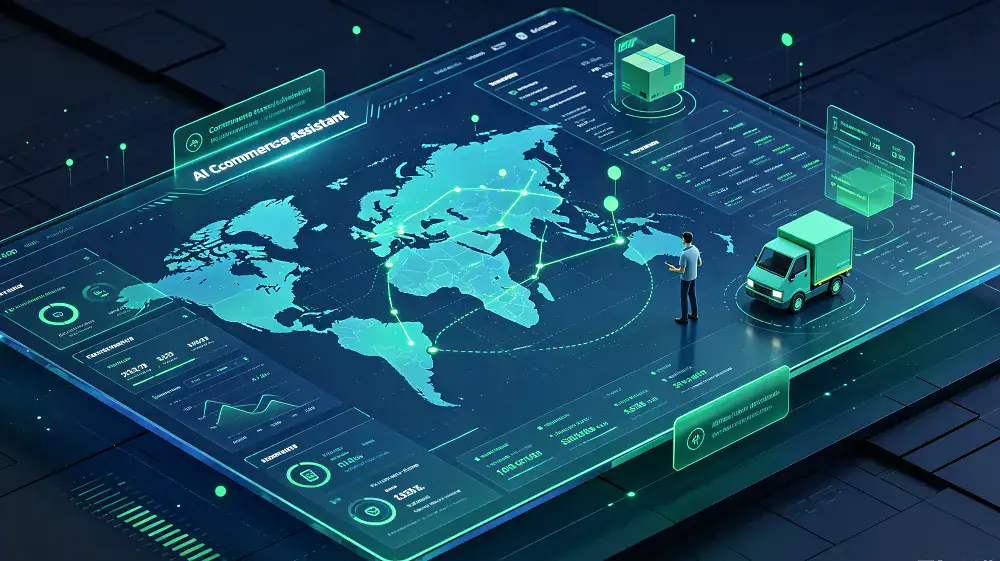
Artificial intelligence is evolving from a helpful tool into something that can actually make purchasing decisions on its own. According to DHL’s 2026 E-Commerce Trends Report, which surveyed 29,000 consumers across 29 countries, 29% of shoppers are open to letting AI take over their buying decisions within the next five years. Among Gen Z and Millennials, that number jumps to 33% and 36% respectively. Meanwhile, 59% of businesses expect consumers to browse and buy through virtual assistants in the future, and 73% plan to increase their use of generative AI over the next five years.
AI is also reshaping logistics in a big way. When AI systems make purchase decisions, they choose delivery options based on hard data, not human intuition. Online stores need to provide reliable and comparable data—including delivery methods, speed, and even carbon footprint. As one logistics executive put it, “AI agents won’t respond to marketing slogans like ‘fast delivery.’ They need precise transit time information. Incomplete logistics data might even cause AI agents to skip a store entirely.”
What this means for sellers: Make sure your product pages and checkout process include complete, structured logistics information that AI agents can read and compare. Clear data is becoming a competitive advantage.
Trend 2: Home Delivery Is No Longer the Only Option—Parcel Lockers and Pickup Points Are the New Normal
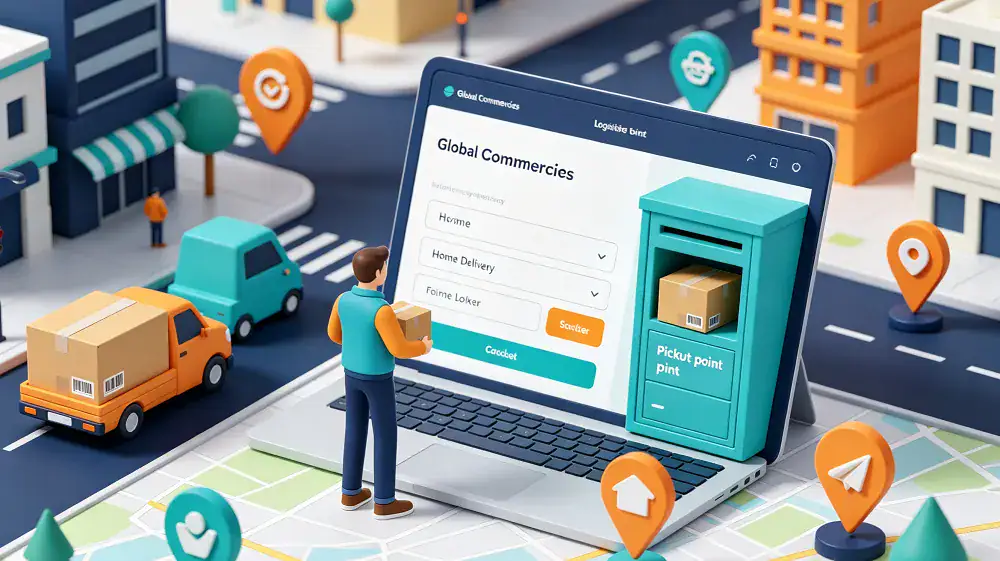
What consumers consider “convenient delivery” is changing. The DHL survey found that 30% of shoppers now use out-of-home delivery options like parcel lockers and pickup points to better manage their daily routines. In Nordic markets, PostNord reports that 77% of consumers consider the ability to choose a pickup location as the top factor in where they decide to shop. In Europe, 35% of shoppers are already used to picking up packages from parcel shops or lockers.
This trend is even stronger in the C2C (consumer-to-consumer) space. In Europe, 57% of consumers have sold something through an online marketplace, and out-of-home delivery is their preferred way to ship items. Delivery options have become a make-or-break factor for conversions: according to DHL, 67% of online shoppers have abandoned a cart because the delivery options weren’t good enough. Also, seven in ten shoppers say that trusting the delivery partner and being able to choose one affects their purchase decisions.
| Changes in Delivery Preferences | Data |
|---|---|
| Shoppers using pickup points/lockers | 30% (global), 35% (Europe) |
| Shoppers who abandoned carts due to poor delivery options | 67% |
| Shoppers who say delivery partner choice matters | 70% |
What this means for sellers: Offer multiple delivery options at checkout—home delivery, pickup points, lockers—and prioritize them based on local market habits. Working with logistics providers that have reliable out-of-home delivery networks can directly impact your conversion rates.
Trend 3: Sustainable Logistics Is Becoming a Standard Expectation, Not a Bonus
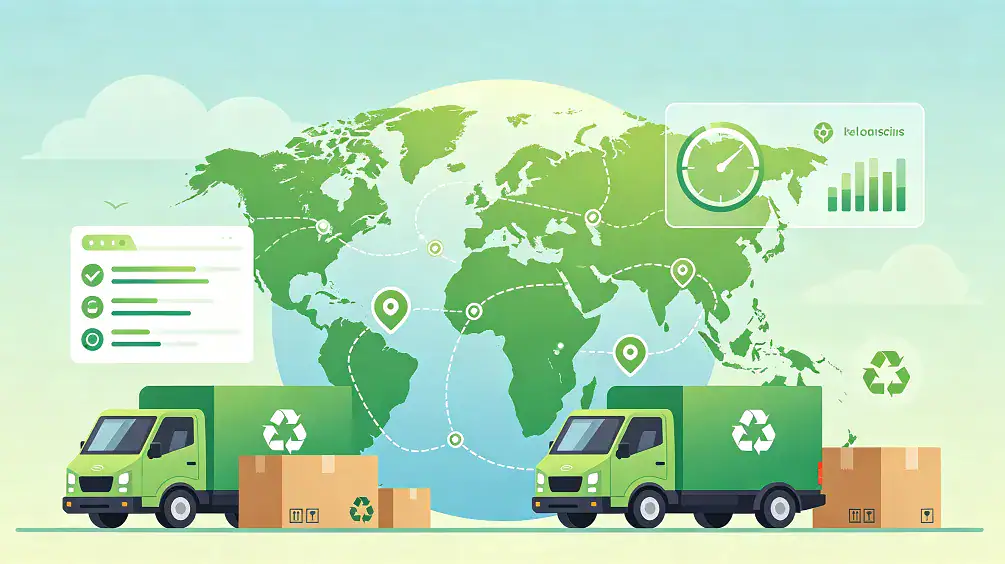
Sustainability in logistics is moving from nice-to-have promises to measurable action. The DHL report shows that 42% of consumers expect that within five years, low-carbon logistics will simply be a standard contribution businesses make to society, rather than something special. One of the industry’s biggest challenges remains inefficiency—oversized packaging, inaccurate volume calculations, and supply chains that “move more air than product.”
Tighter regulations in places like the EU are also pushing sustainability from a marketing angle into an operational requirement. At the same time, 45% of shoppers buy second-hand or refurbished products for environmental reasons, which has boosted C2C markets and indirectly increased demand for more circular logistics practices.
What this means for sellers: Partner with logistics providers that offer clear environmental options, like using alternative fuels or optimizing delivery routes. Turn your sustainability efforts into transparent data to meet both consumer expectations and regulatory demands.
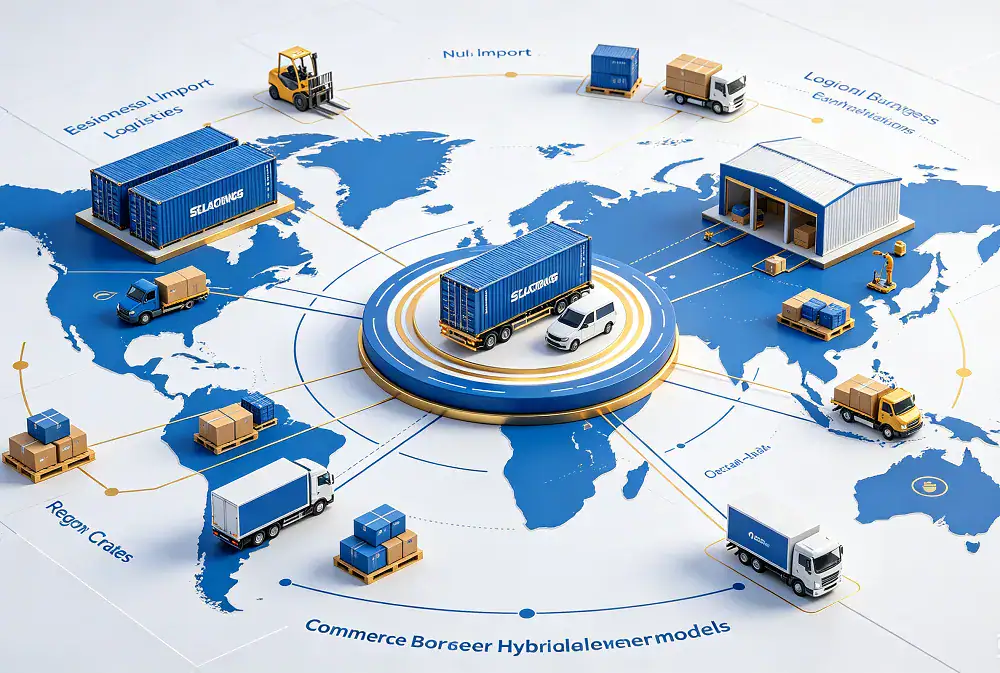
Trend 4: Cross-Border Logistics Is Entering a “Localization” Era—Fulfillment and Cross-Border Shipping Are Merging
For a long time, international sellers got used to shipping from one central warehouse to customers around the world. But in 2026, that model is facing serious cost and compliance challenges. Omnichannel and out-of-home delivery have become operational benchmarks, and the accuracy of delivery promises now matters more than raw speed when it comes to customer experience.
A major driver is regulation. The EU started imposing a fixed tariff on low-value ecommerce imports (under €150) starting July 1, 2026. This means that sellers shipping individual parcels from overseas warehouses will see significantly higher tariff costs. As a result, a “hybrid fulfillment” model—where sellers import goods in bulk to regional warehouses and handle final delivery locally—is becoming a necessity. This approach not only reduces tariff risks but also turns cross-border shipping into “local delivery,” which is much faster.
Meanwhile, 89% of U.S. supply chain leaders believe shifting to domestic or regional suppliers is crucial for building long-term brand trust. And 84% of retail leaders plan to restructure their relationships with third-party logistics providers in 2026 to gain more flexibility.
Comparison of Old vs. New Cross-Border Logistics Models
| Dimension | Traditional Model (Central Warehouse Direct Shipping) | 2026 Trend (Hybrid Fulfillment) |
|---|---|---|
| Customs Clearance | Individual parcel clearance—high cost and high risk | Bulk import to regional warehouses—compliant and efficient |
| Delivery Speed | Long-distance shipping—unstable transit times | Inventory closer to customers—stable, faster delivery |
| Regulatory Response | Reacting passively to regulation changes | Proactively adapting with professional partners |
| Cost Structure | High cost per unit—vulnerable to freight rate fluctuations | Economies of scale lower per-unit costs—more cost control |
| Customer Experience | Fragmented tracking information—high post-sale communication costs | Localized delivery—transparent tracking—easy returns and exchanges |
What this means for sellers: Re-evaluate your cross-border logistics strategy. Consider working with professional logistics providers that offer overseas warehousing, customs clearance, and last-mile delivery as a package. Positioning inventory ahead of time is the smart way to handle regulatory risks and cost pressures.
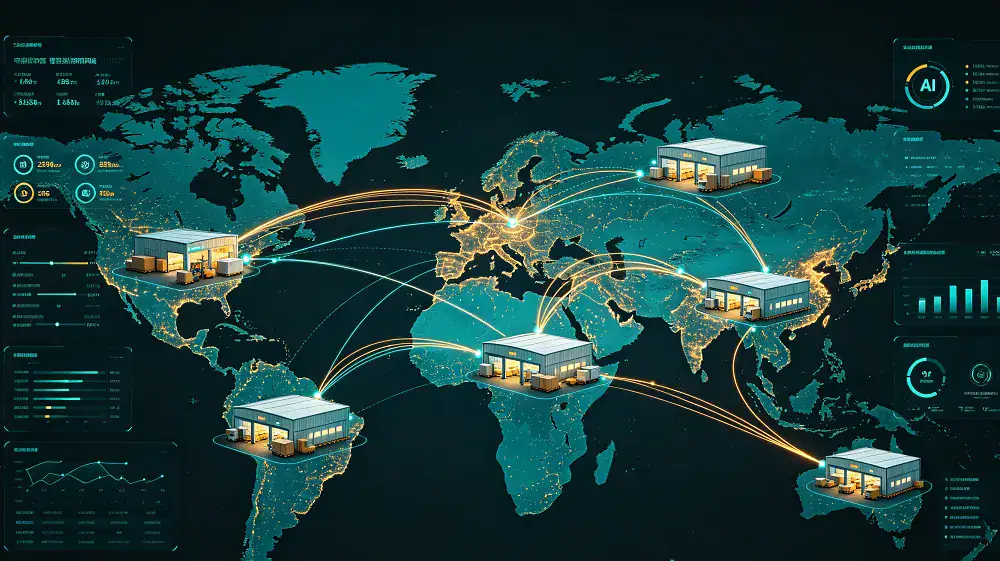
Trend 5: Fulfillment Networks Are a Strategy—Dynamic Inventory Management Is a Core Capability
In 2026, simply “having a warehouse” isn’t enough. What matters is having a connected and smart fulfillment network. According to a survey by WSI | Kase, 89% of U.S. retail leaders say shifting to domestic suppliers is critical for long-term brand trust. Today’s sellers need multiple distribution facilities that work together, not just a single fulfillment center.
Success is no longer measured by cost per order, but by “cost to serve” broken down by region and channel, plus overall network consistency. Modern fulfillment systems intelligently assign orders based on promised delivery dates, total shipping costs, warehouse capacity, and real-time inventory health. AI-powered dynamic fulfillment systems have been shown to make a real difference—one study in an Indian ecommerce network found that an AI optimizer boosted inventory turnover by 35.4%, cut stockout rates by 65%, and shortened average delivery times by 42%.
What this means for sellers: Work with 3PL partners that have multi-node networks and can provide real-time inventory visibility and smart inventory placement recommendations. Base your inventory decisions on data insights, not guesswork.
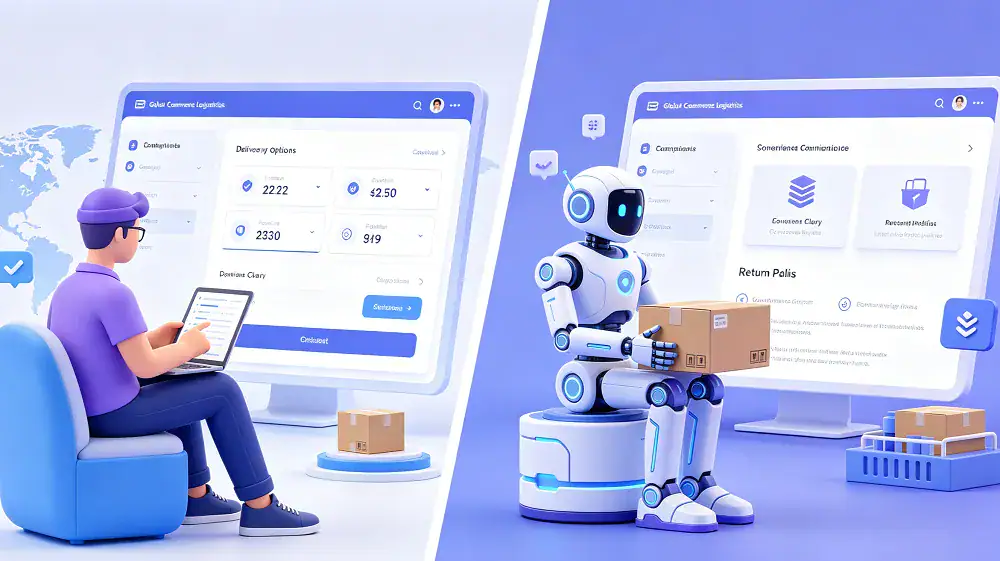
Trend 6: The “Three C’s” Now Have Two Readers—Human Customers and AI Assistants
In 2026, the “Three C’s” of ecommerce delivery—Convenience, Clarity, and Communication—still determine whether shoppers buy and come back. But here’s the twist: there are now two “readers” evaluating this information: your human customer and the AI shopping assistant helping them make decisions.
-
Convenience: At checkout, you need to offer accurate, locally relevant options (like pickup points or lockers first) based on what local carriers can actually deliver.
-
Clarity: For cross-border sales to markets like the EU, you must clearly show the total “landed cost” including tariffs before checkout. AI assistants also prefer terms that can be clearly understood from structured data.
-
Communication: Post-purchase tracking needs to be consistent and proactive. When carrier updates happen, they should be woven into a clear story for the customer, all the way through to delivery confirmation—no information gaps.
What this means for sellers: Treat your delivery and return policies as structured information that machines can read. Invest in platforms that can unify logistics data from multiple carriers and markets, ensuring a seamless and clear checkout and post-purchase experience.
In this fast-changing environment, logistics is no longer just a back-office cost—it’s a strategic engine for international growth. Sellers should take a hard look at whether their current logistics partners have what it takes to adapt to these trends: network flexibility, data transparency, regulatory expertise, and a willingness to innovate. Choosing the right partner can turn complex operational challenges into a real competitive advantage.
ABout AMZ Shipper
AMZ Shipper has several years of experience for international logistics Freight Forwarding service. Our service is for importer and exporter, foreign freight forwarders, local and abroad business. Export of 1500 of 40HQ per year for FBA Amazon shipping, 15-30tons of air shipments per month.
Member of WCA. Our company is a professional Amazon freight forwarder that specializes in providing comprehensive and efficient services to customers.