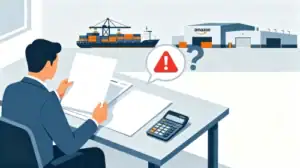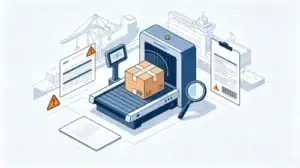
For cross-border e-commerce Amazon sellers, few things are more frustrating than having your shipment held up or delayed at the destination port. Customs clearance is arguably the most technically challenging part of the international logistics chain, and it directly determines whether your Amazon inventory will make it to the shelves on time. This article breaks down the entire customs clearance process, key concepts, and common risks from the perspective of Amazon FBA headhaul logistics, giving you a clear picture of how it all works.
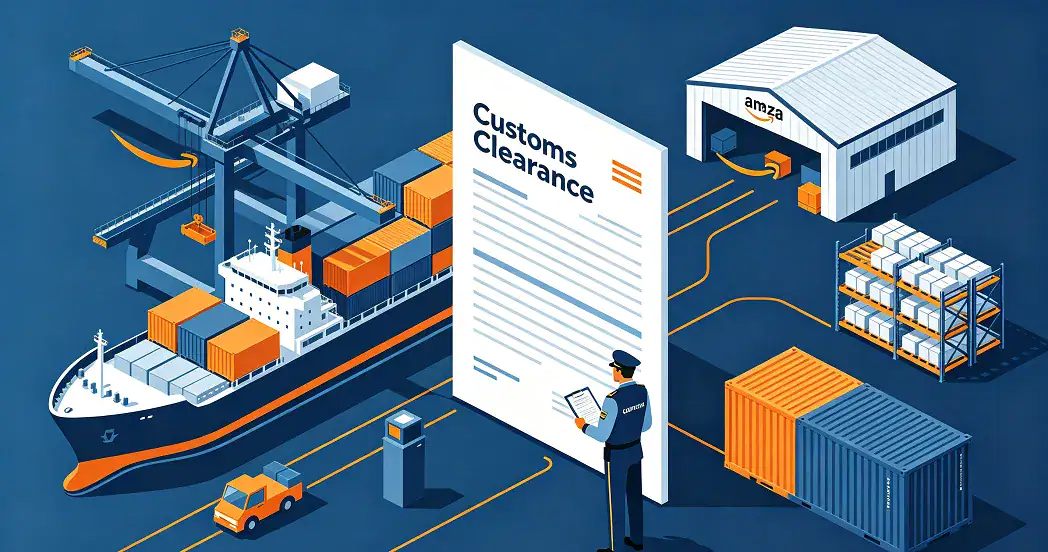
What Customs Clearance Really Means and Who’s Involved
Customs clearance is the full set of procedures your goods must go through when crossing international borders—submitting declarations, completing all required legal formalities, and finally getting the green light from customs. For Amazon sellers, it means your products must be officially approved by the destination country’s customs before they can enter the country and eventually reach FBA warehouses.
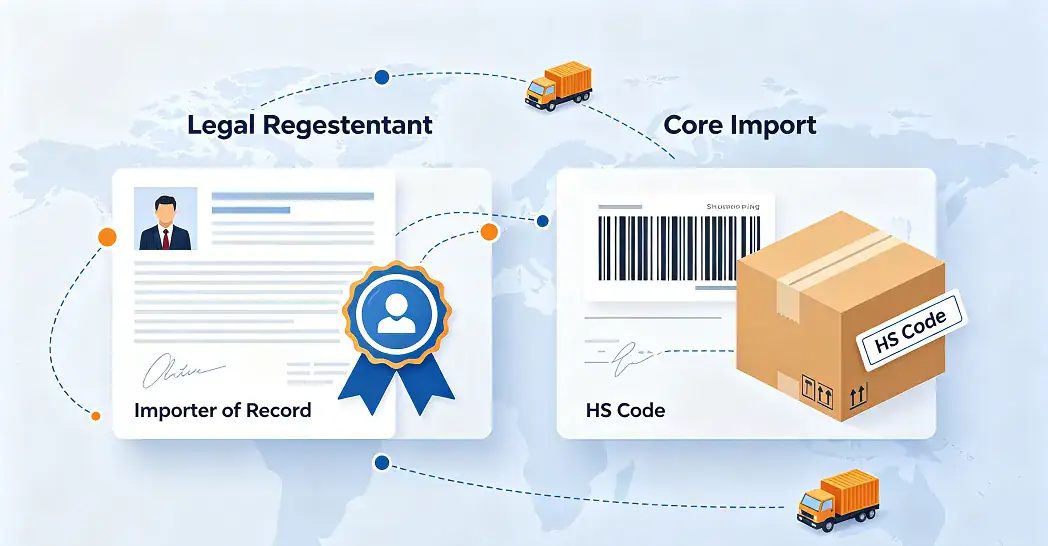
Two core concepts are worth understanding upfront:
Importer of Record (IOR) is the party legally responsible for the imported goods. They make sure everything complies with relevant laws and regulations, and they handle the payment of duties and taxes. For FBA sellers, you need to decide who will act as the IOR—it could be your own business (if you have a legal entity in the destination country), or you can authorize a professional logistics provider to take on this role.
HS Code is basically your product’s “ID card” in international trade. It’s a globally standardized system for classifying goods. The first six digits are set by the World Customs Organization, while additional digits may be added by individual countries for their own administrative purposes. Getting the HS code right matters because it directly determines what duty rate your goods will be charged.
Getting Ready: Paperwork and Compliance Checks
How smoothly your customs clearance goes often depends on how well you prepare before shipping. Incomplete or inaccurate paperwork is the number one reason for delays.
Here’s what you’ll typically need:
-
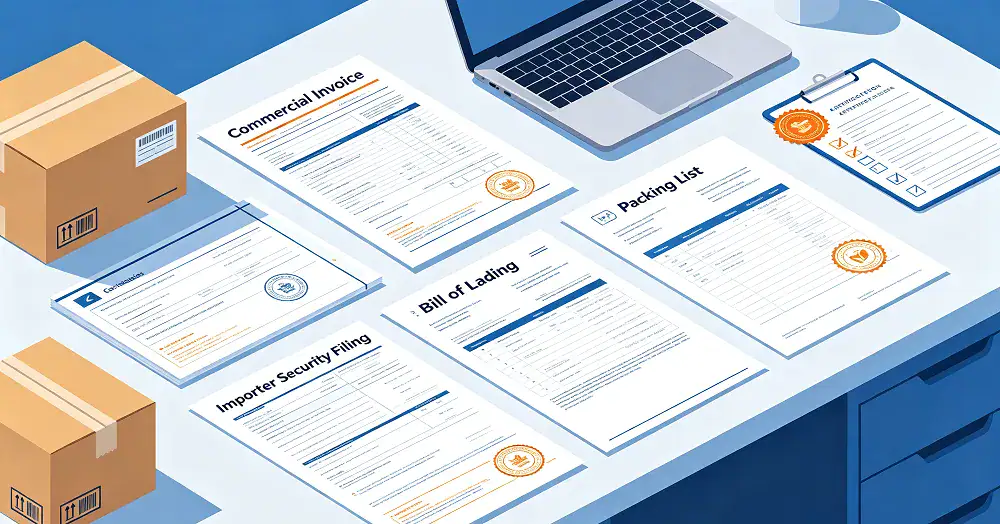
Commercial Invoice – must clearly show buyer and seller info, actual transaction prices, HS codes, country of origin, and other key details.
-
Packing List – a breakdown of what’s in each carton, including SKUs, quantities, weights, and dimensions. This is especially important for mixed shipments.
-
Bill of Lading (for ocean) or Air Waybill (for air) – the official receipt and contract of carriage issued by the carrier.
-
Importer Security Filing (ISF) – for shipments to the US, you’ll need to file the “10+2” declaration at least 24 hours before loading.
-
Product Compliance Certificates – depending on what you’re shipping, you may need things like FCC certification for electronics or fumigation certificates for wood packaging.
Step-by-Step Breakdown of the Clearance Process
The clearance process generally follows a standard sequence. Understanding each step helps you anticipate timelines and spot potential issues early.
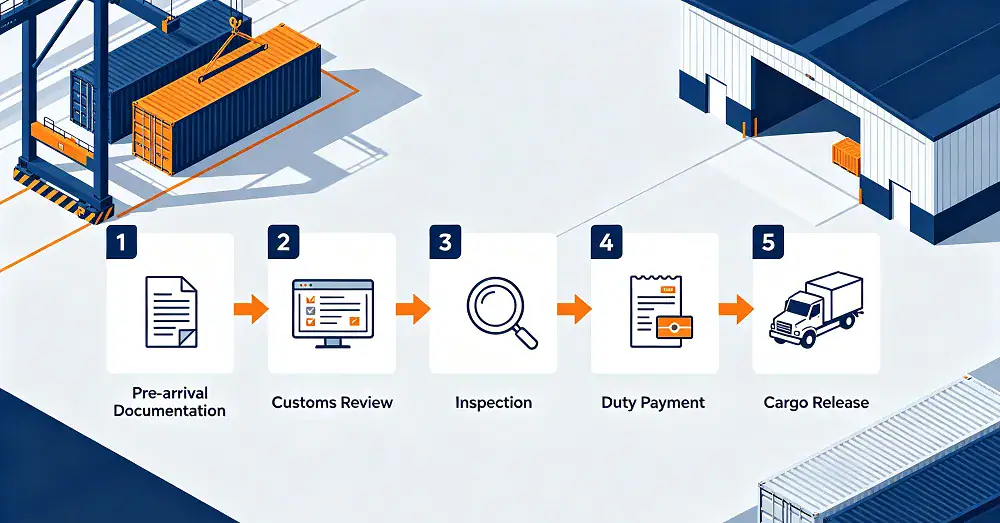
1. Pre-arrival Documentation
Before your cargo reaches the destination port, the carrier needs to submit a cargo manifest to customs. For ocean freight, this typically happens at least 24 hours before loading overseas. Meanwhile, your customs broker or freight forwarder will file the import declaration through the destination country’s electronic system (like the ACE system in the US). Filing ahead of time is one of the most effective ways to speed things up.
2. Customs Review
Once the cargo arrives, customs runs the declaration through their automated risk assessment system. Most compliant declarations get cleared quickly, but some shipments may be flagged for further inspection due to higher risk scores.
3. Physical or Document Inspection
Inspections come in two forms. Document-based inspections usually just require some additional supporting paperwork and don’t take long. Physical inspections, on the other hand, involve moving your cargo to a designated inspection area where customs officers open and check the goods. This can take several days and often comes with extra charges like drayage fees, storage fees, and inspection service fees. Products like electronics and textiles tend to get inspected more often.
4. Duty and Tax Calculation and Payment
You can’t get your goods released until all applicable duties and taxes are settled. The main charges include:
-
Customs Duties – calculated based on the product’s HS code and country of origin.
-
Value-Added Tax (VAT) – calculated on the CIF value (cost of goods plus international freight and insurance), then taxed at the applicable rate.
-
Excise Taxes – may apply to specific product categories like alcohol, tobacco, or cosmetics.
5. Release and Pickup
Once customs confirms everything is in order and all duties are paid, they issue a formal release notice. At that point, you can arrange to pick up your cargo or have it forwarded to the FBA warehouse.
Choosing Your Clearance Terms: DDP vs. DDU
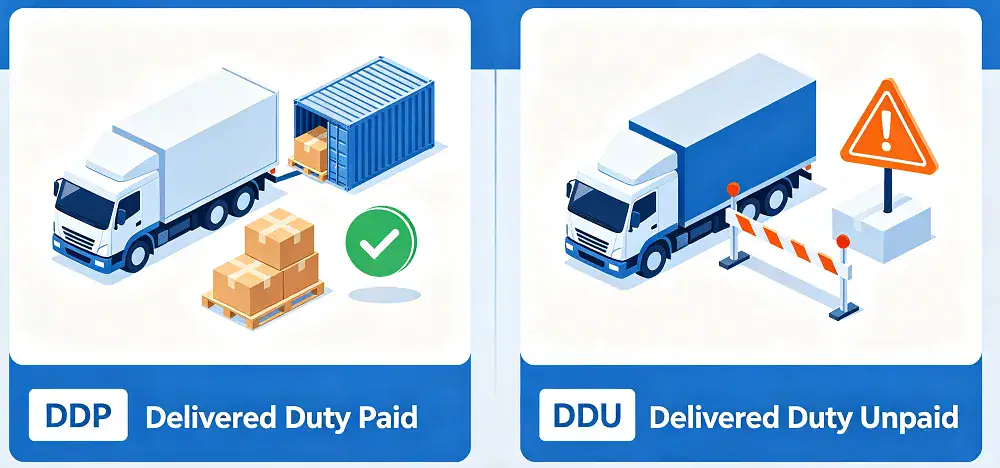
For FBA sellers, picking the right clearance terms isn’t optional—it’s critical. Amazon requires that all shipments to FBA warehouses be sent on a Delivered Duty Paid (DDP) basis. That means all duties and clearance procedures must be taken care of before the goods arrive at the destination port. If you ship on a Delivered Duty Unpaid (DDU) basis, the receiver (Amazon or their agent) won’t be able to handle the clearance, and your shipment could be rejected. So making sure your logistics provider operates on DDP terms is a basic requirement for a smooth FBA headhaul experience.
Estimated Clearance Timelines
Clearance times vary depending on the shipping method, how complete your paperwork is, and whether your shipment gets inspected. Here’s a rough guide:
| Shipping Method | Typical Clearance Time | Key Factors |
|---|---|---|
| Express (DHL/FedEx/UPS) | 24–72 hours | Automated processing with pre-submitted data |
| Air Freight | 4–24 hours (with pre-clearance); 1–3 days if issues arise | Whether you filed declarations in advance |
| Ocean FCL | 2–5 business days | Completeness and accuracy of documentation |
| Ocean LCL | 3–7 business days | Consolidation and deconsolidation procedures |
| Physical Inspection | 5–15+ business days | Type of inspection and whether lab testing is required |
One thing worth noting: even under the best conditions, LCL shipments usually take longer to clear than FCL shipments, mainly because the cargo needs to go through deconsolidation and sorting before clearance can be completed.
Common Clearance Risks and How to Handle Them
-
Inaccurate or Misleading Declarations – undervaluing your goods or misclassifying HS codes are common traps. If customs catches this, you could face penalties, additional duties, or even have your cargo seized. Always make sure your declarations are honest, accurate, and complete.
-
Product Compliance Gaps – some products require specific certifications before they can be imported (like FDA approval or CE marking). Missing these documents means your shipment won’t get cleared. Check all regulatory requirements before you ship.
-
Inconsistent Documentation – mismatches between your commercial invoice, packing list, and other documents are a frequent reason for document-based inspections. Setting up a standardized document review process can help catch these errors early.
-
Underestimated Duties – duty rates can shift with trade policy changes, and what your logistics provider quotes may not always match the final amount customs charges. It’s smart to build some buffer into your cost planning.
ABout AMZ Shipper
AMZ Shipper has several years of experience for international logistics Freight Forwarding service. Our service is for importer and exporter, foreign freight forwarders, local and abroad business. Export of 1500 of 40HQ per year for FBA Amazon shipping, 15-30tons of air shipments per month.
Member of WCA. Our company is a professional Amazon freight forwarder that specializes in providing comprehensive and efficient services to customers.